US Treasury Secretary Accuses China of Financing Iran, Calls for Diplomatic Action
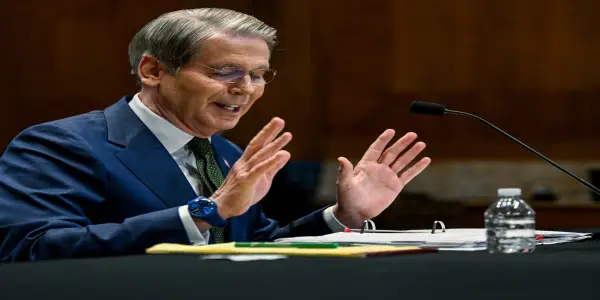
Scott Bessent urges China to assist in reopening the Strait of Hormuz, citing concerns over Iran's role as a state sponsor of terrorism.
In-depth analysis
Background context
The U.S. Treasury Secretary's remarks about China's financial ties to Iran come amid rising tensions in the Strait of Hormuz, a crucial route for global oil. This statement precedes a significant meeting between President Trump and President Xi, where international cooperation is expected to be a focal point, highlighting the intricate dynamics of U.S.-China relations.
Key political implications
Bessent's criticism signals a potential escalation in U.S.-China tensions, particularly regarding energy policies and regional security. The upcoming discussions between the two leaders may influence their diplomatic strategies moving forward.
Who gains / who loses
China may face increased scrutiny and pressure from the U.S. over its dealings with Iran, potentially straining its economic ties. Conversely, the U.S. could bolster its position in the region if it successfully engages China in addressing Iranian activities.
Possible future scenarios
If U.S.-China talks yield cooperation, it could lead to a de-escalation of tensions in the Strait of Hormuz. However, failure to reach an agreement may exacerbate conflicts and further complicate international energy security.
Did you know?
Why you should know this
The tensions between the U.S. and China over Iran's actions in the Strait of Hormuz could impact global oil prices and energy security. If China continues its energy trade with Iran, it may provoke further sanctions, leading to ripple effects that impact everything from fuel costs at the pump to international trade routes crucial for everyday products.
Behind the political curtain
In 2021, China was reported to have imported over 20% of its oil from Iran, despite U.S. sanctions. This relationship complicates the geopolitical landscape, as it illustrates how energy needs can override diplomatic tensions in the face of international pressure.
Ordinary person in an extraordinary situation
Consider Maya, a small business owner in San Diego who relies on imported materials for her products. As tensions in the Strait of Hormuz escalate, she faces the prospect of rising shipping costs and delays. With each news cycle, her anxiety grows, knowing that decisions made by world leaders could impact her livelihood directly. Maya represents countless Americans who might be affected by the outcomes of high-level diplomatic discussions. The stakes are not just abstract political maneuvers; they translate into real-life challenges for everyday people trying to keep their businesses afloat.
U.S. Extends Sanctions Relief as Syrian Leader...

Comet 3I/ATLAS Continues to Mystify Scientists...
Khamenei Assassination: A Pivotal Shift in...
Sanae Takaichi: Japan's First Female Prime...
Inquiry Critiques Scottish Government's Covid-19...
New Yorkers Kick Off Early Voting for Mayoral...
AfD Leader Raises Concerns Over Potential Threats...

Misjudgments in Military Strategy: The Lessons...
Saudi Crown Prince Mohammed bin Salman Set for...
Denmark's Prime Minister Advocates for Stricter...

Colombia's ELN Rebels Intensify Military Drills...
The Legacy of French Colonialism: Language and...

Reddit Enhances App Performance with R8...
Sias University Adapts to Modern Educational...

Lessons from Ulysses S. Grant on Civil-Military...
Javier Milei's Victory Signals a Shift in...

Mamdani Emerges Victorious in NYC Mayoral Race...
Is the U.S. Reassessing Its Stance on Israel...

Revitalizing Relations: The Future of the...
Egypt Affirms Commercial Nature of Gas Agreement...
Contradictory Signals from Trump and Rubio on...
The Impact of Trump's Second Year: A Year of...
Germany Resumes Arms Exports to Israel Amid...
Jared Isaacman Renominated as NASA Administrator...
Italy's PM Meloni Responds Firmly to Trump's...

NASA Unveils Stunning Images of Interstellar...
South Africa's G20 Presidency: A Mixed Legacy of...

The Evolving Landscape of Copyright Enforcement...
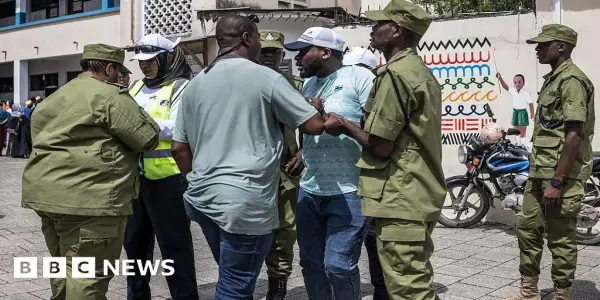
Kenya Urges Protection for Citizens Amid...

Bhutan's Complex Relationship with India: A...
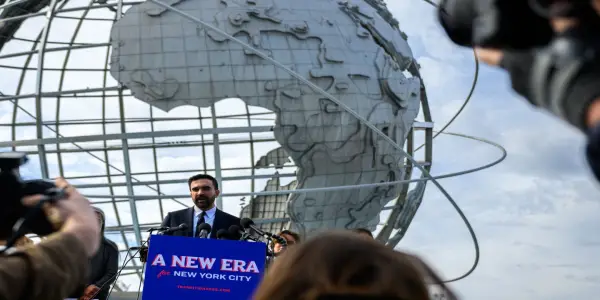
Zohran Mamdani's Vision for Global Municipal...

Canada Decides Against Public Disclosure of Nazi...
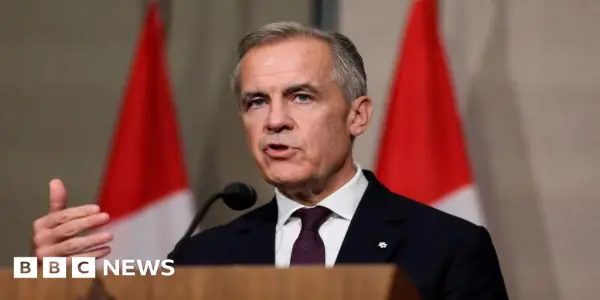
Canada's Carney to Meet Xi in China, Signaling a...

Challenges Faced by Costumes in 'Mighty Morphin...
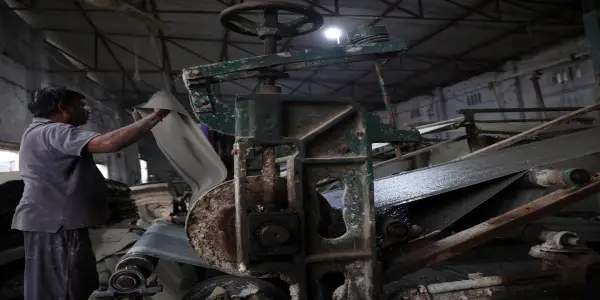
Indian Trade Unions Rally Against New Labour...

U.S. Lawmakers Express Concerns Over Trump...
Trump Addresses Nuclear Testing, Government...
Mark Carney Discusses Political Transition During...
Geopolitical Tensions Surround Palau Amid...

US-South Korea Agreement to Develop...