Denmark's Prime Minister Advocates for Stricter Migration Policies Across Europe
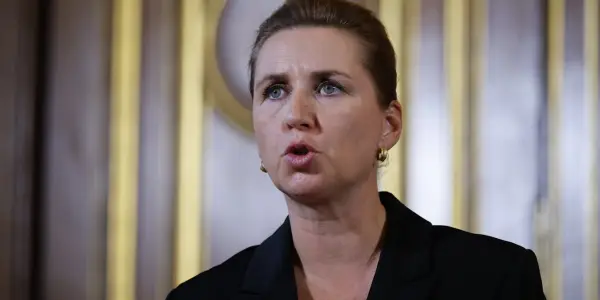
Denmark enforces some of the most stringent asylum laws in Europe, and Prime Minister Mette Frederiksen is now seeking to extend this approach continent-wide.
In-depth analysis
Background context
Mette Frederiksen, Denmark's Prime Minister, has solidified her reputation as a proponent of strict migration policies, reflecting a broader European trend. Her administration's recent election victory was predicated on ambitious reforms, including climate and pension changes, while simultaneously tightening Denmark's already rigorous asylum laws, complicating the lives of refugees and limiting family reunification.
Key political implications
Frederiksen's policies signal a significant shift in European migration discourse, potentially influencing other nations to adopt similar stringent measures. This could reshape alliances within the EU as countries grapple with public sentiment around immigration.
Who gains / who loses
Supporters of Frederiksen's approach believe that stricter migration controls will enhance social cohesion and safeguard public resources. However, asylum seekers and human rights advocates face significant setbacks, as these policies restrict their rights and complicate their integration into society.
Possible future scenarios
As Frederiksen continues to advocate for her migration framework, European nations may increasingly adopt similar policies. This could lead to a fragmented approach to asylum, with some countries prioritizing strict controls while others push for more humanitarian responses.
Did you know?
Why you should know this
Mette Frederiksen's migration policies are shaping the future of asylum in Europe, impacting not just refugees but also local communities. As Denmark enforces stricter laws that limit asylum rights and family reunification, the consequences ripple through society. Families separated by these laws face emotional turmoil, while local economies may struggle with the loss of potential contributors. Understanding these policies can illuminate broader European trends affecting millions.
Behind the political curtain
In 2021, Denmark became the first European country to announce plans to relocate asylum seekers to third countries for processing, a move that sparked international controversy and debate over human rights and international law.
Ordinary person in an extraordinary situation
Consider the story of Amina, a 32-year-old single mother from Syria, who fled her war-torn home seeking safety for her children. After arriving in Denmark, she faced the harsh reality of Frederiksen's stringent migration laws, which limited her ability to bring her elderly parents to safety. Amina's daily struggles involve navigating a complex system that feels indifferent to her plight. The emotional strain of separation weighs heavily on her, as she yearns for family reunification to provide her children with a sense of stability. Her experience exemplifies the human cost of policy decisions that prioritize national interests over compassion, highlighting the urgent need for a balanced approach to migration that considers the personal stories behind the statistics.

Jared Isaacman Renominated as NASA Administrator...

Challenges Faced by Costumes in 'Mighty Morphin...

Contradictory Signals from Trump and Rubio on...

Baden Bower Reduces Pitch-to-Publish Timeline by...

U.S. Embassies Redefine Human Rights:...

New Yorkers Kick Off Early Voting for Mayoral...

Democrats Celebrate Recent Wins Amidst Internal...
Canada's Carney to Meet Xi in China, Signaling a...

Texas Governor Abbott Designates CAIR as a...

Mark Carney Discusses Political Transition During...

U.S. Lawmakers Express Concerns Over Trump...

Examining Trump's Claims of Resolving Conflicts:...

The Legacy of French Colonialism: Language and...

The Rise of Technocracy in Modern Governance

NASA Unveils Stunning Images of Interstellar...

Mamdani Emerges Victorious in NYC Mayoral Race...

Comet 3I/ATLAS Continues to Mystify Scientists...

EA Raises Concerns Over Sale to Saudi Arabia's...

Hungarian Prime Minister Viktor Orban Engages...

Egypt Affirms Commercial Nature of Gas Agreement...

Trump Addresses Nuclear Testing, Government...

Saudi Crown Prince Mohammed bin Salman Set for...

Colombia's ELN Rebels Intensify Military Drills...

Switzerland Faces Economic Challenges Amid U.S....

Italy's Meloni Engages with Qatar Emir on Energy...

European Automakers Face New Chip Shortage as...

Japan and Finland in Diplomatic Tension Following...

Jim Avila, Esteemed ABC News Correspondent, Dies...

Bangladesh's International Crimes Tribunal...

UK Finalizes £8 Billion Typhoon Fighter Jet...

Japan Protests China's Travel Advisory Amid...

Reddit Enhances App Performance with R8...

WWE Raw Recap: Titles Change Hands in Thrilling...

Iraq's Parliamentary Elections: Key Insights...

Canada Decides Against Public Disclosure of Nazi...

Apple Achieves Unprecedented Financial Success in...
Syria's Foreign Minister Visits China to...

The Fate of the Maquis in Star Trek: A Missed...

South Korea Rebuilds Trust and Reassesses Foreign...

Mamdani's Victory: A Turning Point for the...