White House Aide Implies Military Strikes Targeting Venezuela’s Maduro Regime
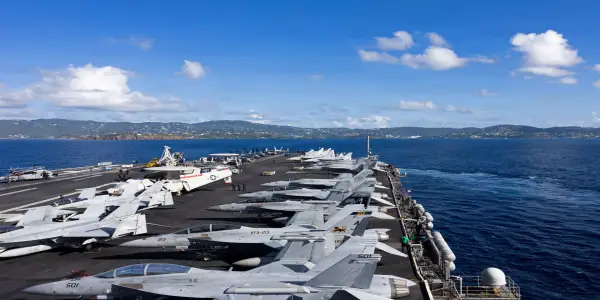
Susie Wiles, a senior aide to President Trump, raises questions about the true motives behind U.S. military actions against alleged drug trafficking boats.
In-depth analysis
Background context
The U.S. military's recent strikes against alleged drug trafficking vessels near Venezuela have sparked controversy, especially following comments from Susie Wiles, chief of staff to President Trump. Wiles suggested these actions may serve a dual purpose of combating narcotics and facilitating the removal of Venezuelan President Nicolás Maduro, challenging the official narrative of the operations.
Key political implications
The military actions could signify a shift in U.S. policy towards Venezuela, indicating a potential endorsement of regime change, which raises legal and ethical questions about U.S. intervention in foreign nations.
Who gains / who loses
If the strikes lead to Maduro's ousting, opposition figures like María Corina Machado may gain significant political power, potentially reshaping Venezuela's governance. Conversely, Maduro's regime and its supporters face increased vulnerability and loss of authority amid heightened U.S. military presence.
Possible future scenarios
The situation could escalate into direct military intervention if the U.S. continues its current trajectory, or it may lead to heightened diplomatic tensions if international laws are perceived to be violated, affecting regional stability.
Did you know?
Why you should know this
Understanding the U.S. military's actions against vessels in Latin America is crucial, as it reflects a potential shift in foreign policy that intertwines anti-drug efforts with regime change ambitions. This could directly affect U.S. taxpayers and international relations, as increased military operations may lead to deeper involvement in conflicts that impact global stability and trade.
Behind the political curtain
In a surprising twist, the U.S. military's recent operations, framed as anti-drug efforts, may actually serve broader geopolitical goals. This dual purpose challenges the conventional narrative and underscores the complex motivations behind military engagements, which often remain hidden from public scrutiny.
Ordinary person in an extraordinary situation
Consider Ana, a Venezuelan immigrant living in Miami, who fled her homeland due to the oppressive regime of Nicolás Maduro. She watches the news daily, feeling a mix of hope and despair as U.S. military strikes unfold. While she understands the need to combat drug trafficking, she worries about the collateral damage these actions might bring to innocent lives back home. For Ana, the discussion around regime change isn't just political rhetoric; it represents her family's future. The struggle against Maduro is personal, yet she grapples with the moral implications of foreign intervention. Will these military actions lead to liberation or further suffering? In her heart, Ana yearns for a peaceful resolution, one that honors the voices of the Venezuelan people rather than imposing external will.
Expert Commentary
So the official story is anti-drug ops, but the chief of staff casually admits it's actually about making Maduro cry? That's not strategy—that's theater with live ammunition. Whether you support regime change or not, this should alarm everyone. Military force isn't a tantrum tool. Senators calling it illegal aren't overreacting. If this is how we conduct foreign policy now, we're not just burning boats—we're burning credibility, alliances, and any moral high ground we had left.
Italy's PM Meloni Responds Firmly to Trump's...

Golden Snub-Nosed Monkeys Make European Debut in...
Cuba Rejects U.S. Security Threat Claims Amid...
Is the U.S. Reassessing Its Stance on Israel...

AfD Leader Raises Concerns Over Potential Threats...

Revitalizing Relations: The Future of the...

Bangladesh Seeks India's Assistance in...
Hungarian Prime Minister Viktor Orban Engages...
Switzerland Faces Economic Challenges Amid U.S....
Kenya Urges Protection for Citizens Amid...


The 1969 Sino-Soviet Border Conflict: A Near Miss...

Challenges Faced by Costumes in 'Mighty Morphin...

U.S. Lawmakers Express Concerns Over Trump...

Trump Appoints Special Envoy to Greenland,...

Cuban Authorities Engage in Deadly Clash with...
Examining Trump's Claims of Resolving Conflicts:...

New Advocacy Report Urges Action Against Child...
Six Finalists Announced for the 2026...

The Fate of the Maquis in Star Trek: A Missed...

WWE Raw Recap: Titles Change Hands in Thrilling...

Japan Protests China's Travel Advisory Amid...
Egypt Affirms Commercial Nature of Gas Agreement...
Canada and China Take Steps Toward Repairing...

Apple Achieves Unprecedented Financial Success in...
The Role of Palestinian Statehood in Advancing...

Peru Sever Diplomatic Relations with Mexico Amid...
Democrats Celebrate Recent Wins Amidst Internal...
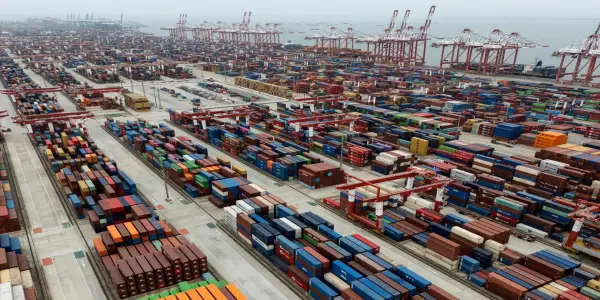
Limited Expectations as Trump and Xi Approach...
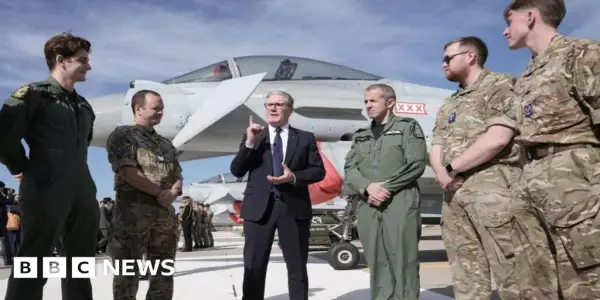
UK Finalizes £8 Billion Typhoon Fighter Jet...
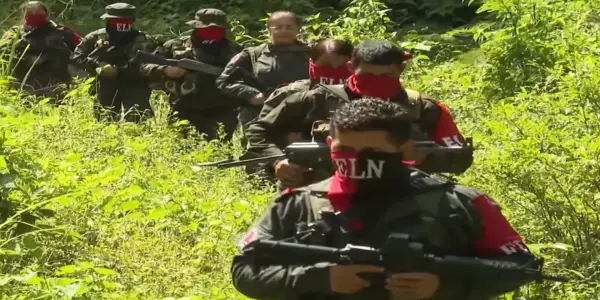
Colombia's ELN Rebels Intensify Military Drills...
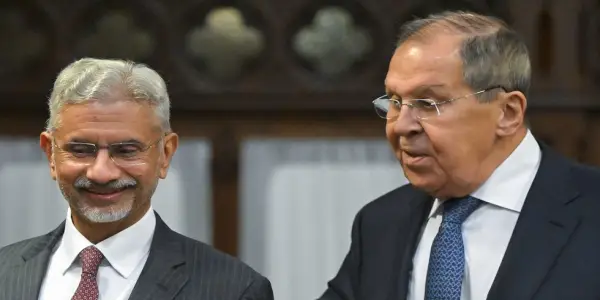
Russian and Indian Foreign Ministers Convene...

Khamenei Assassination: A Pivotal Shift in...
Germany Resumes Arms Exports to Israel Amid...
US-South Korea Agreement to Develop...

NASA Unveils Stunning Images of Interstellar...
Key Insights from Trump's National Security...

Bangladesh's International Crimes Tribunal...

Bhutan's Complex Relationship with India: A...
Canada's Carney to Meet Xi in China, Signaling a...