The 1969 Sino-Soviet Border Conflict: A Near Miss in Nuclear History
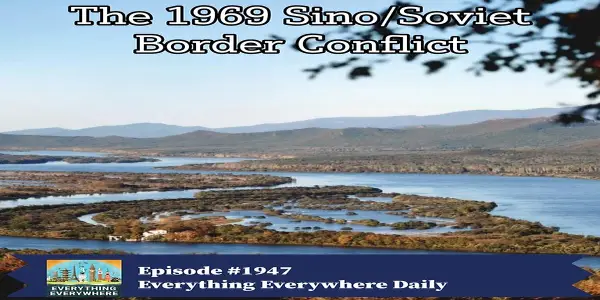
Explore the 1969 Sino-Soviet border conflict, a pivotal moment in Cold War history where two nuclear powers nearly ignited a catastrophic war, overshadowed b...
In-depth analysis
Background context
The Sino-Soviet border conflict of 1969 emerged from a long history of tension between China and Russia, rooted in territorial disputes and ideological differences. Following the communist revolutions in both nations, their alliance became increasingly strained, culminating in military confrontations that threatened global stability during the Cold War era.
Key political implications
The conflict reshaped international relations, prompting the U.S. to reconsider its strategic positioning in Asia. It highlighted the fragility of alliances and the potential for nuclear escalation among superpowers.
Who gains / who loses
China ultimately gained a clearer understanding of its military capabilities and pursued nuclear development more aggressively, while the Soviet Union faced a significant loss of influence in the region. The conflict also strained both nations' resources and diplomatic ties.
Possible future scenarios
The resolution of the conflict opened pathways for improved Sino-Soviet relations, yet the underlying rivalries persisted. Future interactions could either lead to renewed cooperation or exacerbate tensions, depending on regional dynamics and global power shifts.
Did you know?
Why you should know this
Understanding the Sino-Soviet border conflict of 1969 sheds light on the complex dynamics between global powers today. The historical tensions between China and Russia still influence current geopolitical strategies, impacting global trade, security alliances, and regional conflicts. Awareness of this past conflict can inform how nations navigate their relationships, with implications for everyday issues like trade tariffs and international diplomacy.
Behind the political curtain
A lesser-known aspect of the Sino-Soviet conflict is the role of internal politics in both countries. While the world focused on their military posturing, Mao's regime feared a Soviet betrayal after realizing Stalin's heavy-handed tactics during their earlier alliance. This paranoia significantly influenced China's foreign policy and military decisions for years to come.
Ordinary person in an extraordinary situation
Consider Li Wei, a 15-year-old boy in Shanghai during the height of the conflict. As tensions escalated, his family faced the daily fear of war breaking out. His father, a factory worker, would often discuss the implications of government decisions over dinner, instilling in Li a sense of responsibility to understand his country’s place in the world. The atmosphere of uncertainty shaped his aspirations, driving him to pursue a career in international relations. Years later, as a diplomat, he reflects on how the echoes of that conflict still resonate in today's politics, reinforcing for him the importance of dialogue over confrontation.

Reddit Enhances App Performance with R8...
Canada and China Take Steps Toward Repairing...

Apple Achieves Unprecedented Financial Success in...

Exploring Intimacy and Isolation in Claire-Louise...
Trump Appoints Special Envoy to Greenland,...
Saudi Crown Prince Mohammed bin Salman Set for...
Italy's Meloni Engages with Qatar Emir on Energy...
Limited Expectations as Trump and Xi Approach...
Zohran Mamdani Secures Victory in New York City...

New Advocacy Report Urges Action Against Child...
Jim Avila, Esteemed ABC News Correspondent, Dies...
Germany Resumes Arms Exports to Israel Amid...
Democrats Celebrate Recent Wins Amidst Internal...
U.S. Embassies Redefine Human Rights:...
U.S. Extends Sanctions Relief as Syrian Leader...
New England Senators Play Crucial Role in...
Denmark's Prime Minister Advocates for Stricter...
Hungarian Prime Minister Viktor Orban Engages...
South Korea Initiates First Military Talks with...
Contradictory Signals from Trump and Rubio on...
Saudi Crown Prince's Invitation to the White...
China's Shift to a Cautious Research Strategy...
Examining Trump's Claims of Resolving Conflicts:...
South Africa's G20 Presidency: A Mixed Legacy of...
Russian and Indian Foreign Ministers Convene...
US Tariffs Impact Nuevo Leon's Steel Sector,...
Israel Seeks Diplomatic Renewal with Bolivia...

The Evolving Landscape of Copyright Enforcement...
Japan Reacts Strongly to China's Travel Advisory...

Ireland Moves Forward with Bill Targeting Israeli...

Miss Universe Cayman Islands Advocates for Global...
Cuba Rejects U.S. Security Threat Claims Amid...

Comet 3I/ATLAS Continues to Mystify Scientists...
US-South Korea Agreement to Develop...
Analyzing Trump's Latin America Strategy Amid...
Mark Carney Discusses Political Transition During...
Trump Addresses Nuclear Testing, Government...
UK Finalizes £8 Billion Typhoon Fighter Jet...
The 1969 Sino-Soviet Border Conflict: A Near Miss...