Analyzing Trump's Latin America Strategy Amid Regional Turmoil
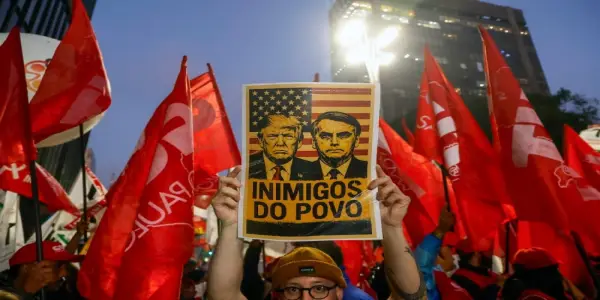
Explore the Trump administration's complex Latin America strategy as it navigates Venezuela's crisis, balancing military pressure and regional support amid g...
In-depth analysis
Background context
The U.S. has historically oscillated between military engagement and diplomatic efforts in Venezuela, especially amid the country's economic crisis and political instability under Nicolás Maduro. The current administration's strategy emphasizes military presence in the Caribbean, aiming to influence Venezuela’s governance while also extending support to regional allies like Argentina.
Key political implications
The U.S. military posture in the Caribbean could either bolster pressure on Venezuela for reforms or escalate tensions, potentially destabilizing the region further. This duality presents significant risks for U.S. foreign policy.
Who gains / who loses
Should the U.S. successfully pressure Venezuela towards democratic reforms, regional allies may benefit from increased stability and support. Conversely, an escalation in military actions could lead to heightened tensions, adversely affecting both Venezuelan citizens and neighboring countries.
Possible future scenarios
Future developments could range from a negotiated resolution to continued sanctions or even military intervention. Each scenario carries distinct risks and opportunities for U.S. influence and regional stability.
Did you know?
Why you should know this
Understanding the U.S. strategy towards Venezuela is crucial as it directly impacts local economies and political stability throughout Latin America. The decisions made today can affect everything from trade relationships to migration patterns, influencing daily lives in countries like Argentina and Colombia. For those concerned about regional stability, these geopolitical maneuvers carry significant weight.
Behind the political curtain
In the 1980s, the U.S. supported Venezuelan military actions against leftist groups, but the flip side is that those interventions often led to long-standing resentment towards U.S. influence in the region. This historical backdrop complicates current U.S. efforts to stabilize Venezuela without repeating past mistakes.
Ordinary person in an extraordinary situation
Maria Gonzalez, a shop owner in Caracas, faces daily challenges as inflation skyrockets and basic goods become scarce. Despite the turmoil, she holds on to hope for change, believing that international pressure could lead to a better future. Maria’s story is a microcosm of the broader Venezuelan struggle, where the stakes are not just political but deeply personal. As U.S. strategies unfold, her dreams for stability and prosperity hang in the balance, reflecting the lives of millions affected by the decisions made thousands of miles away.
Expert Commentary
Canada and China Take Steps Toward Repairing...
Italy's PM Meloni Responds Firmly to Trump's...

Apple Achieves Unprecedented Financial Success in...
Bangladesh's Upcoming Election: Key Political...
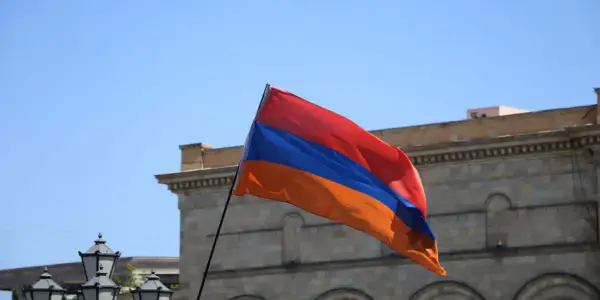
Armenian Deputy Foreign Minister Visits Israel...

Comet 3I/ATLAS Continues to Mystify Scientists...

EA Raises Concerns Over Sale to Saudi Arabia's...
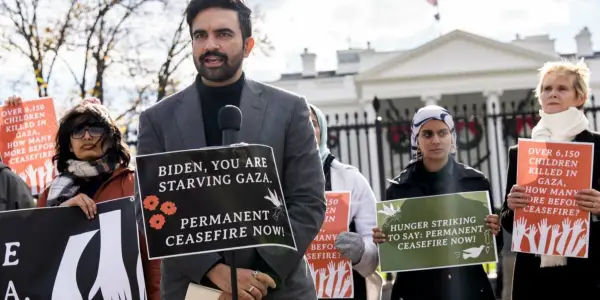
Mamdani's Victory: A Turning Point for the...
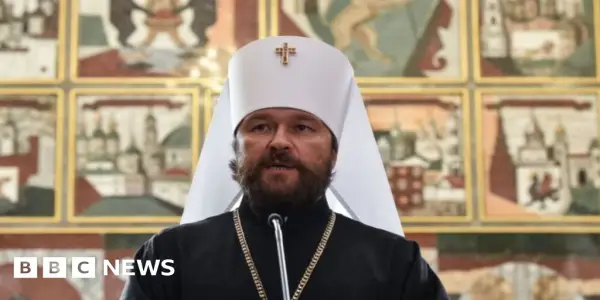
Exiled Russian Orthodox Leader Responds to Spying...
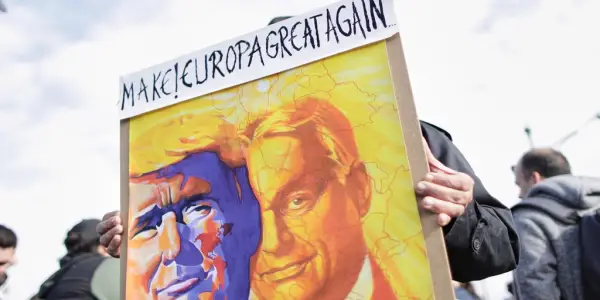
Hungarian Prime Minister Viktor Orban Engages...
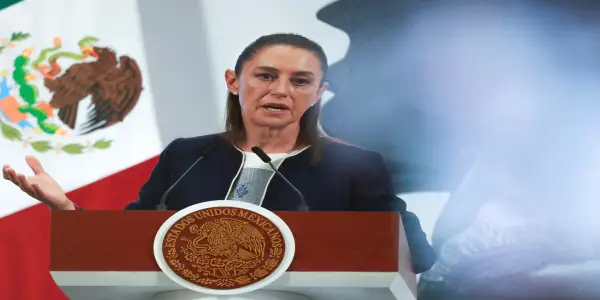
US Tariffs Impact Nuevo Leon's Steel Sector,...
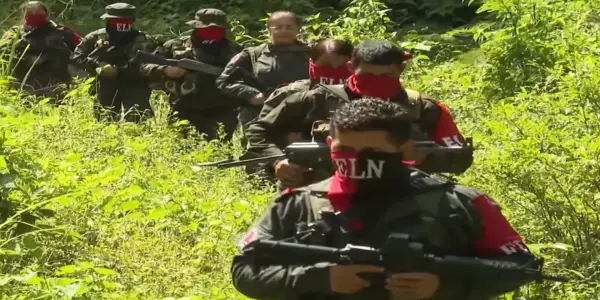
Colombia's ELN Rebels Intensify Military Drills...
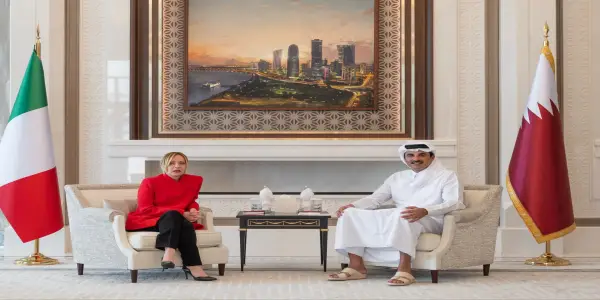
Italy's Meloni Engages with Qatar Emir on Energy...
Jim Avila, Esteemed ABC News Correspondent, Dies...
Inquiry Critiques Scottish Government's Covid-19...
Nevada's Governor's Office Allegedly Intervened...

WWE Raw Recap: Titles Change Hands in Thrilling...
The Legacy of French Colonialism: Language and...
Six Finalists Announced for the 2026...
Germany Resumes Arms Exports to Israel Amid...
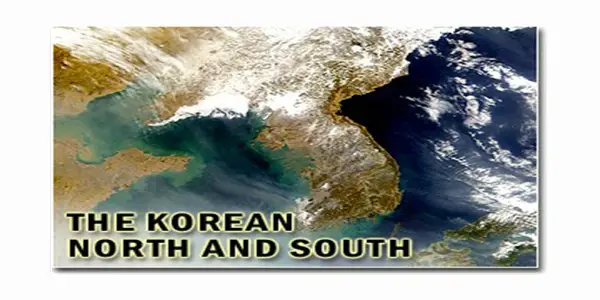
South Korea Initiates First Military Talks with...
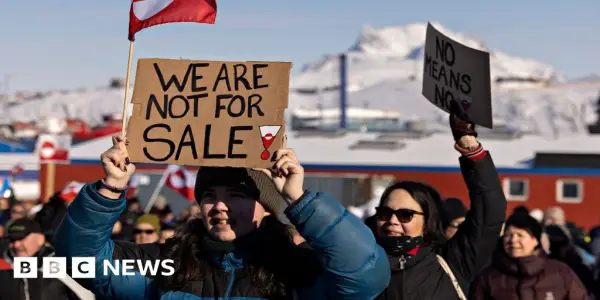
European Allies Stand Firm with Denmark Amid U.S....
The Role of Palestinian Statehood in Advancing...
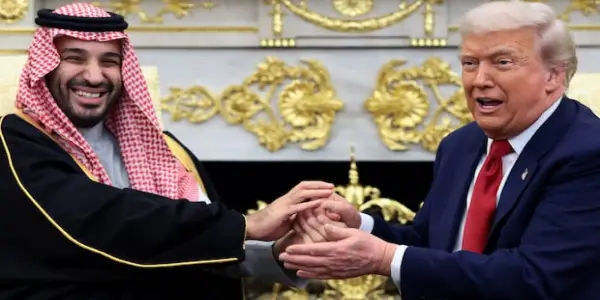
Saudi Crown Prince's Invitation to the White...
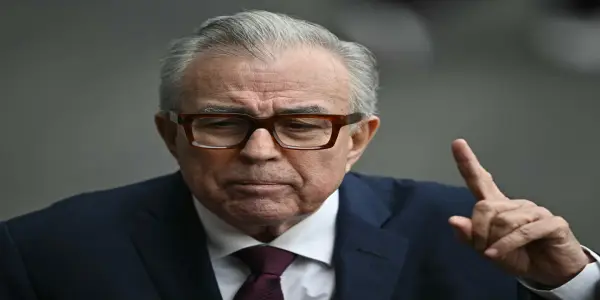
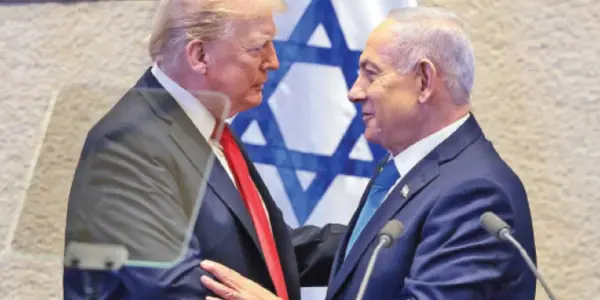
Is the U.S. Reassessing Its Stance on Israel...
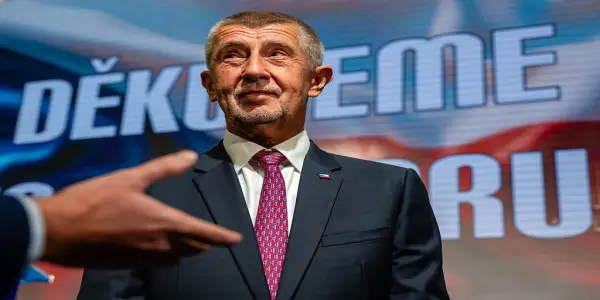
Czech President Appoints Billionaire Former Prime...
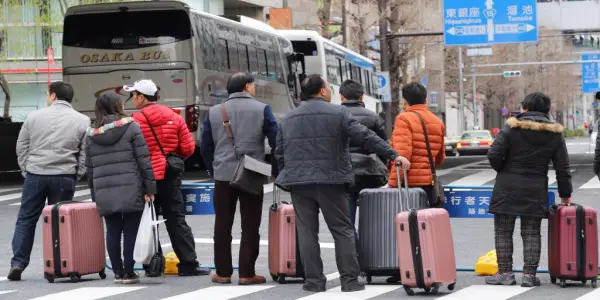
Japan Protests China's Travel Advisory Amid...

US-South Korea Agreement to Develop...
Syria's Foreign Minister Visits China to...

The Evolving Landscape of Copyright Enforcement...

Spain's Attorney General Convicted in...
Zohran Mamdani Secures Victory in New York City...
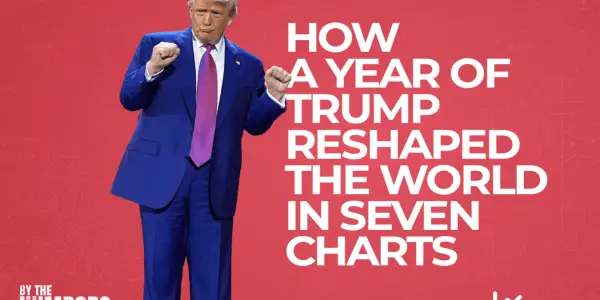
The Impact of Trump's Second Year: A Year of...
Trump Appoints Special Envoy to Greenland,...
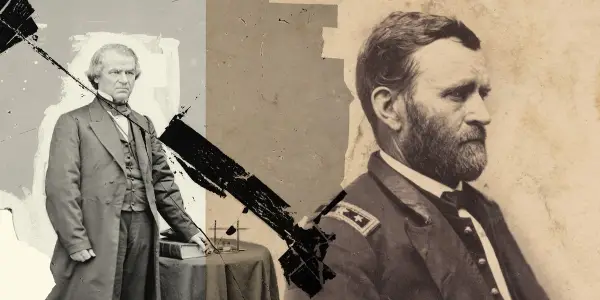
Lessons from Ulysses S. Grant on Civil-Military...
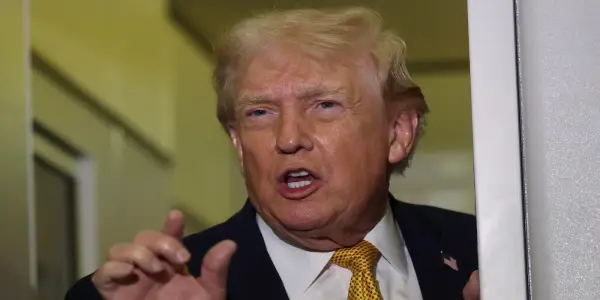
Contradictory Signals from Trump and Rubio on...
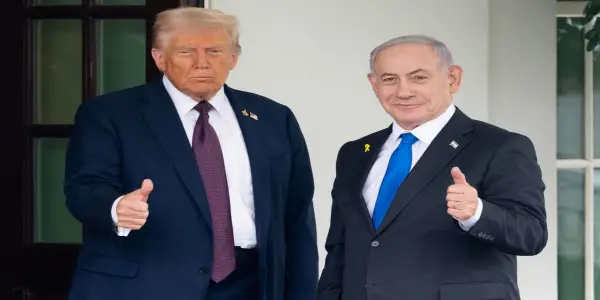
Examining Trump's Claims of Resolving Conflicts:...

New Advocacy Report Urges Action Against Child...
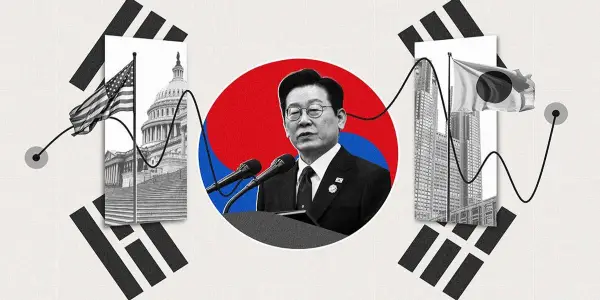
South Korea Rebuilds Trust and Reassesses Foreign...