Mark Carney Discusses Political Transition During Year-End Interview
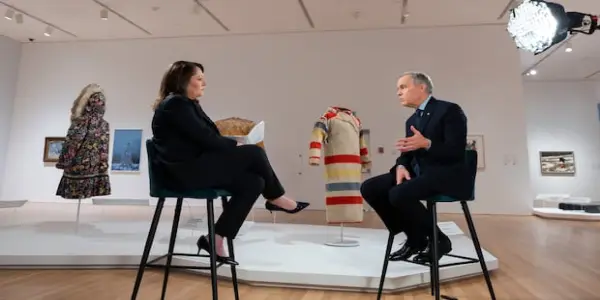
In a year-end conversation with CBC News political correspondent Rosemary Barton, Prime Minister Mark Carney reflected on his recent entry into politics amidst significant federal changes.
In-depth analysis
Background context
Mark Carney's recent rise to Prime Minister follows Justin Trudeau's resignation, marking a pivotal moment in Canadian politics. Carney, known for his finance and climate advocacy, has initiated significant policy changes, particularly in climate and trade, while addressing the pressing challenges of governance in a turbulent political environment.
Key political implications
Carney's policy shifts signal a departure from Trudeau's regulatory approach, potentially reshaping the Liberal Party's identity and strategy. This may influence future electoral dynamics and party cohesion amid increasing scrutiny from opposition parties.
Who gains / who loses
Carney's rollback on environmental regulations may appeal to certain business sectors seeking reduced compliance costs, but environmental advocates and progressive voters could feel alienated. The political landscape may shift as these groups reassess their support amidst changing priorities.
Possible future scenarios
As Carney navigates trade complexities and domestic challenges, his administration could either stabilize Canada's economic landscape or face backlash over perceived policy failures. Future electoral outcomes may hinge on his ability to balance these competing demands effectively.
Did you know?
Why you should know this
Mark Carney's leadership signals a pivotal moment in Canadian politics, especially for citizens concerned about climate action and economic stability. With critical policy shifts, such as suspending the carbon tax and altering emissions targets, everyday Canadians may feel the direct impact on their wallets and environmental health. This transition not only shapes Canada's response to climate change but also influences international trade dynamics that affect local jobs and industries.
Behind the political curtain
While many know Mark Carney as a former central banker, few realize he once played a vital role in the United Nations climate discussions, making him one of the few political leaders with substantial experience in both finance and environmental policy.
Ordinary person in an extraordinary situation
Meet Sarah, a small business owner in Toronto who relies on green technology for her eco-friendly products. Sarah has watched the political landscape shift dramatically and feels anxious about the future. With Carney's recent policy changes, she fears that the suspension of the carbon tax might lower her operational costs but at the expense of the environment she cares deeply about. Sarah represents countless Canadians caught between immediate financial relief and long-term sustainability. Her story highlights the complex balancing act facing many citizens: how to support a thriving economy while advocating for effective climate policies. As Carney navigates these challenges, individuals like Sarah illustrate the tangible stakes involved in political decisions.
Expert Commentary
Carney’s trying to have it both ways—ditching Trudeau’s climate policies while still claiming to care. You can’t cancel the carbon tax and hit your targets. I get the political calculation, but at some point, the planet stops caring about your polling numbers. Promises without action are just words.

Reddit Enhances App Performance with R8...
Canada and China Take Steps Toward Repairing...

Apple Achieves Unprecedented Financial Success in...

Exploring Intimacy and Isolation in Claire-Louise...
Trump Appoints Special Envoy to Greenland,...

Saudi Crown Prince Mohammed bin Salman Set for...
Italy's Meloni Engages with Qatar Emir on Energy...
Limited Expectations as Trump and Xi Approach...
Zohran Mamdani Secures Victory in New York City...

New Advocacy Report Urges Action Against Child...
Jim Avila, Esteemed ABC News Correspondent, Dies...
Germany Resumes Arms Exports to Israel Amid...
Democrats Celebrate Recent Wins Amidst Internal...
U.S. Embassies Redefine Human Rights:...
U.S. Extends Sanctions Relief as Syrian Leader...
New England Senators Play Crucial Role in...
Denmark's Prime Minister Advocates for Stricter...
Hungarian Prime Minister Viktor Orban Engages...
South Korea Initiates First Military Talks with...
Contradictory Signals from Trump and Rubio on...
Saudi Crown Prince's Invitation to the White...
China's Shift to a Cautious Research Strategy...
Examining Trump's Claims of Resolving Conflicts:...
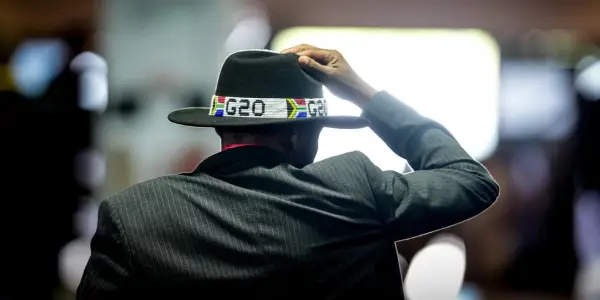
South Africa's G20 Presidency: A Mixed Legacy of...
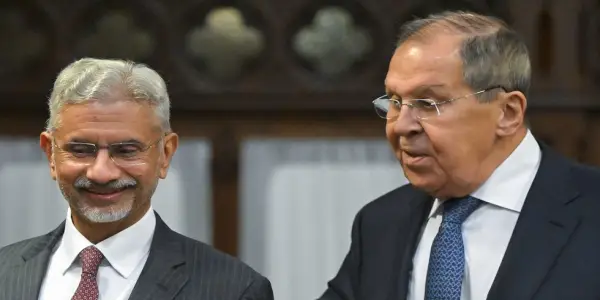
Russian and Indian Foreign Ministers Convene...
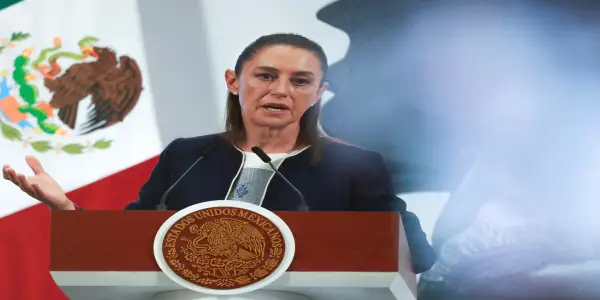
US Tariffs Impact Nuevo Leon's Steel Sector,...
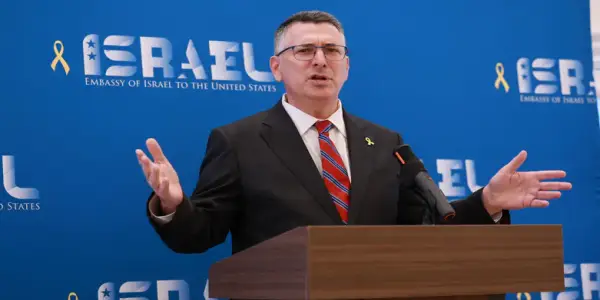
Israel Seeks Diplomatic Renewal with Bolivia...

The Evolving Landscape of Copyright Enforcement...
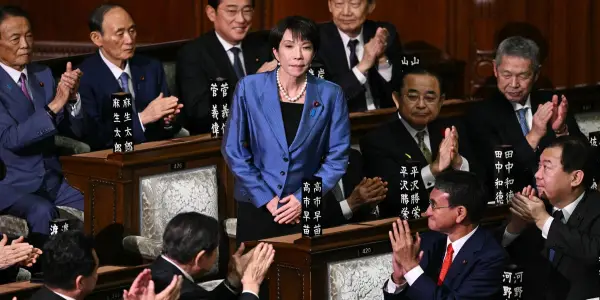
Japan Reacts Strongly to China's Travel Advisory...
Ireland Moves Forward with Bill Targeting Israeli...

Miss Universe Cayman Islands Advocates for Global...
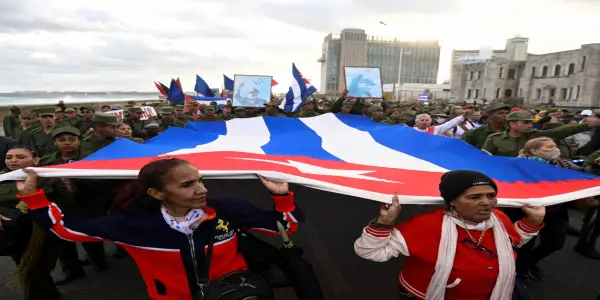
Cuba Rejects U.S. Security Threat Claims Amid...

Comet 3I/ATLAS Continues to Mystify Scientists...

US-South Korea Agreement to Develop...
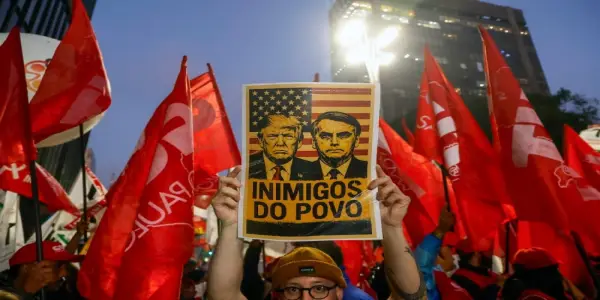
Analyzing Trump's Latin America Strategy Amid...
Mark Carney Discusses Political Transition During...
Trump Addresses Nuclear Testing, Government...
UK Finalizes £8 Billion Typhoon Fighter Jet...

Geopolitical Tensions Surround Palau Amid...