US Proposes Requirement for Five Years of Social Media History from Foreign Visitors
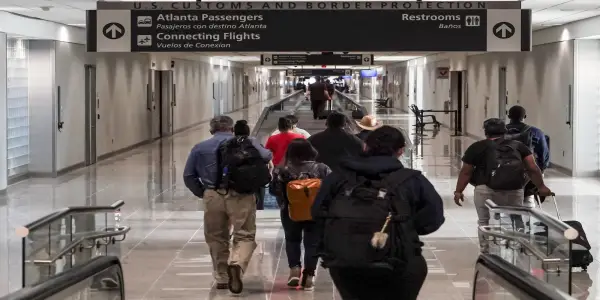
The U.S. proposes new entry requirements for international travelers, including five years of social media history and biometric data. Public comments welcome.
In-depth analysis
Background context
The U.S. government's proposal to require five years of social media history from international travelers marks a significant shift in entry protocols. Aimed at enhancing national security, this initiative affects participants in the Visa Waiver Program, including key allies. The changes would expand the Electronic System for Travel Authorization (ESTA) application, introducing new data requirements.
Key political implications
This proposal could intensify debates over privacy and national security, potentially influencing U.S. relations with allied nations. As international travel regulations tighten, political leaders may face pressure to balance security interests with tourism promotion.
Who gains / who loses
Government agencies may gain enhanced surveillance capabilities, potentially leading to improved national security. Conversely, international travelers could face increased scrutiny and barriers to entry, which may deter tourism and negatively impact the travel industry.
Possible future scenarios
If implemented, the proposal could lead to a decline in international visitor numbers, prompting further adjustments in travel policies. Alternatively, it may spark a push for greater privacy protections and a reevaluation of the balance between security and accessibility.
Did you know?
Why you should know this
This proposal could reshape the travel experience for millions. As international travelers, individuals from Visa Waiver Program countries may find their privacy at stake, needing to expose years of social media activity just to enter the U.S. This requirement could deter potential visitors, impacting tourism, local economies, and cultural exchanges, all of which play vital roles in daily life.
Behind the political curtain
Interestingly, the U.S. is not alone in this approach. Several countries, such as Canada and Australia, have already implemented similar measures, requiring travelers to disclose social media handles and online activity to assess security risks. This trend reflects a growing global emphasis on digital footprints in border control.
Ordinary person in an extraordinary situation
Consider Emma, a 27-year-old graphic designer from London who often travels to the U.S. for work. The idea of sharing five years of social media history worries her. Emma has posted candid moments about her life, including personal struggles and political views, which could be misconstrued. She fears that her online persona might overshadow her professional qualifications, potentially jeopardizing her career opportunities. As she prepares for an upcoming project in New York, Emma grapples with the idea of self-censorship and the implications of such invasive requirements on personal freedom and expression, questioning how much transparency is too much in the quest for security.
Japan Protests China's Travel Advisory Amid...

Is the U.S. Reassessing Its Stance on Israel...

Australia Seizes Opportunity in U.S.-China Rare...

Germany Resumes Arms Exports to Israel Amid...
Trump Addresses Nuclear Testing, Government...

Political Reactions to BBC Leadership Changes...
Jim Avila, Esteemed ABC News Correspondent, Dies...

Sias University Adapts to Modern Educational...
South Korea Initiates First Military Talks with...

Miss Universe Cayman Islands Advocates for Global...

Jared Isaacman Renominated as NASA Administrator...

Canada Decides Against Public Disclosure of Nazi...

NASA Unveils Stunning Images of Interstellar...
Democrats Celebrate Recent Wins Amidst Internal...
Zohran Mamdani's Vision for Global Municipal...

Israel Seeks Diplomatic Renewal with Bolivia...

European Allies Stand Firm with Denmark Amid U.S....


UK Finalizes £8 Billion Typhoon Fighter Jet...
New England Senators Play Crucial Role in...

Ireland Moves Forward with Bill Targeting Israeli...

Japan and Finland in Diplomatic Tension Following...

Mamdani's Victory: A Turning Point for the...

Mamdani Emerges Victorious in NYC Mayoral Race...
Czech President Appoints Billionaire Former Prime...

WWE Raw Recap: Titles Change Hands in Thrilling...

Exiled Russian Orthodox Leader Responds to Spying...

Nevada's Governor's Office Allegedly Intervened...
Russian and Indian Foreign Ministers Convene...
U.S. Extends Sanctions Relief as Syrian Leader...
Texas Governor Abbott Designates CAIR as a...

Golden Snub-Nosed Monkeys Make European Debut in...

Bangladesh's International Crimes Tribunal...

Trump Appoints Special Envoy to Greenland,...
Zohran Mamdani Secures Victory in New York City...

Jetpack Navigation 3 Achieves Stability for...

European Automakers Face New Chip Shortage as...
Six Finalists Announced for the 2026...

Geopolitical Tensions Surround Palau Amid...

Lessons from Ulysses S. Grant on Civil-Military...