Pakistan's Diplomatic Efforts Strain Amid Rising Iran-US Tensions
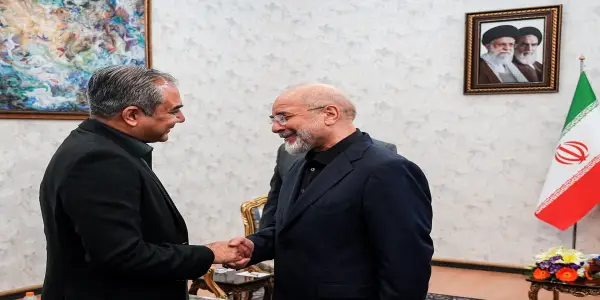
As military threats loom, Pakistan seeks to mediate between Iran and the US amid heightened diplomatic challenges following a ceasefire.
In-depth analysis
Background context
The geopolitical tensions between the United States and Iran have intensified following a fragile ceasefire on April 8. Pakistan, historically a mediator in regional conflicts, is now attempting to facilitate dialogue amid escalating military posturing from both nations. Islamabad's Interior Minister recently engaged with Iranian officials, emphasizing the urgency of reaching a diplomatic resolution.
Key political implications
The ongoing military escalations have significant implications for regional stability, affecting not only US-Iran relations but also the broader dynamics within the Middle East. A failure to mediate effectively could lead to increased hostilities and destabilization.
Who gains / who loses
If Pakistan successfully mediates a resolution, it could strengthen its role as a key diplomatic player, enhancing its influence in future negotiations. Conversely, failure to achieve a breakthrough may diminish Islamabad's standing, allowing other intermediaries like Oman or Qatar to take precedence.
Possible future scenarios
Future scenarios may include a renewed military confrontation between the US and Iran, or a potential diplomatic breakthrough facilitated by Pakistan. The outcomes will significantly impact regional security and the global oil market.
Did you know?
Why you should know this
The escalating tensions between the US and Iran could have immediate effects on your daily life, particularly through rising fuel prices and increased geopolitical instability. As Pakistan steps in to mediate, their success or failure will shape not only regional relations but also global economic health and security. Understanding this dynamic helps you grasp how international politics can ripple through to your community and personal finances.
Behind the political curtain
Pakistan's role as a mediator is not new; it has facilitated talks between the US and Iran multiple times over the past four decades. Surprisingly, one of the most significant breakthroughs occurred in the late 1980s, when Pakistan helped broker a temporary thaw in relations, demonstrating its historical importance in this ongoing geopolitical saga.
Ordinary person in an extraordinary situation
Meet Amina, a shop owner in Karachi whose livelihood hinges on stable oil prices. With the US-Iran tensions rising, she feels the pressure as fuel costs soar, directly impacting her business expenses. Amina worries about her ability to keep prices affordable for her community, which relies on her for essential goods. She watches the news daily, hoping for a resolution that keeps her doors open and her customers satisfied. Amina represents countless individuals whose everyday lives are affected by decisions made in distant capitals, highlighting the human stakes behind political maneuvers.
Expert Commentary
Nevada's Governor's Office Allegedly Intervened...

Exploring Intimacy and Isolation in Claire-Louise...
Japan Reacts Strongly to China's Travel Advisory...
Mamdani's Victory: A Turning Point for the...
Canada's Carney to Meet Xi in China, Signaling a...
Trump Addresses Nuclear Testing, Government...

Apple Achieves Unprecedented Financial Success in...
US Tariffs Impact Nuevo Leon's Steel Sector,...
Syria's Foreign Minister Visits China to...

The Fate of the Maquis in Star Trek: A Missed...
The Impact of Trump's Second Year: A Year of...
Algeria Grants Pardon to Jailed Novelist Boualem...
Political Reactions to BBC Leadership Changes...
Kenya Urges Protection for Citizens Amid...
Democrats Celebrate Recent Wins Amidst Internal...
Jared Isaacman Renominated as NASA Administrator...
U.S. Extends Sanctions Relief as Syrian Leader...
Colombia's ELN Rebels Intensify Military Drills...
Lessons from Ulysses S. Grant on Civil-Military...
Exiled Russian Orthodox Leader Responds to Spying...

Reddit Enhances App Performance with R8...
Mamdani Emerges Victorious in NYC Mayoral Race...

NASA Unveils Stunning Images of Interstellar...
Bhutan's Complex Relationship with India: A...
Italy's Meloni Engages with Qatar Emir on Energy...
European Automakers Face New Chip Shortage as...
Bangladesh's Upcoming Election: Key Political...
The 1969 Sino-Soviet Border Conflict: A Near Miss...

Spain's Attorney General Convicted in...
Zohran Mamdani's Vision for Global Municipal...
Contradictory Signals from Trump and Rubio on...
Egypt Affirms Commercial Nature of Gas Agreement...
Japan Protests China's Travel Advisory Amid...
Revitalizing Relations: The Future of the...
Tarique Rahman's Homecoming: A Potential Turning...
Javier Milei's Victory Signals a Shift in...
Ireland Moves Forward with Bill Targeting Israeli...

Baden Bower Reduces Pitch-to-Publish Timeline by...
Iraq's Parliamentary Elections: Key Insights...
Zohran Mamdani Secures Victory in New York City...