Xi Jinping's North Korea Visit: Strengthening Ties Amid Evolving Geopolitical Landscape
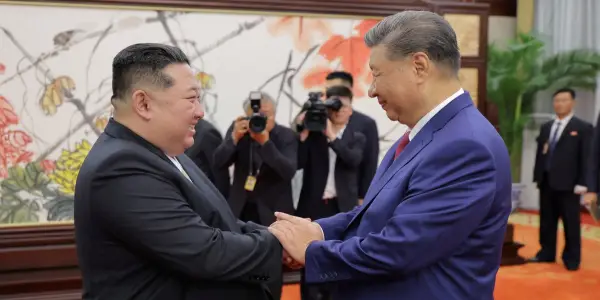
Chinese President Xi Jinping's visit to North Korea underscores the importance of Beijing-Pyongyang relations as regional dynamics shift.
In-depth analysis
Background context
The relationship between China and North Korea has its roots in the Korean War, where China provided military support to the North. Over the decades, this bond has been defined by a treaty ensuring mutual assistance, while China has also sought to enhance ties with South Korea, particularly in trade and economic cooperation.
Key political implications
Xi Jinping's visit to North Korea highlights China's strategic commitment to its neighbor, reinforcing its influence in Northeast Asia amidst shifting alliances and increasing tensions with the West.
Who gains / who loses
China stands to gain by solidifying its role as North Korea's primary ally, ensuring stability in the region. Conversely, North Korea's growing ties with Russia may dilute its reliance on China, potentially complicating Beijing's influence over Pyongyang.
Possible future scenarios
Future dynamics may see North Korea balancing its relationships between China and Russia, while China could intensify efforts to maintain its influence, possibly leading to increased tensions with the U.S. and its allies.
Did you know?
Why you should know this
Xi Jinping's visit to North Korea has immediate implications for regional stability and global security. As tensions rise with North Korea's ties to Russia, understanding this relationship is essential. The decisions made during this visit could impact trade routes, security policies, and even economic conditions in countries like South Korea, where citizens might feel the ripple effects of diplomatic shifts.
Behind the political curtain
Despite the apparent solidarity, China has historically criticized North Korea's nuclear tests, balancing its support with strategic caution. Notably, in 2017, China imposed strict sanctions on North Korean coal imports, which significantly impacted Pyongyang's economy and showcased Beijing's complex role in the relationship.
Ordinary person in an extraordinary situation
Consider Jihoon Park, a 35-year-old South Korean farmer who depends on stable trade conditions to sell his produce. With the looming uncertainty from North Korea’s diplomatic maneuvers, Jihoon worries about the future of his livelihood. Each shift in relations could affect market prices and trade agreements, making his modest life unpredictable. He feels the weight of geopolitical tensions, where decisions made by leaders thousands of miles away directly influence his ability to provide for his family. Jihoon reflects on the broader human cost of political decisions, recognizing that beyond the headlines, real people like him face the consequences of international relations.
Expert Commentary

Geopolitical Tensions Surround Palau Amid...
Bangladesh's International Crimes Tribunal...
Japan Reacts Strongly to China's Travel Advisory...
Democrats Celebrate Recent Wins Amidst Internal...
U.S. Embassies Redefine Human Rights:...

Spain's Attorney General Convicted in...
European Allies Stand Firm with Denmark Amid U.S....
Russian and Indian Foreign Ministers Convene...

Reddit Enhances App Performance with R8...
Kenya Urges Protection for Citizens Amid...

Iraq's Parliamentary Elections: Key Insights...

Baden Bower Reduces Pitch-to-Publish Timeline by...

Ireland Moves Forward with Bill Targeting Israeli...
Tarique Rahman's Homecoming: A Potential Turning...
Contradictory Signals from Trump and Rubio on...
Bangladesh Seeks India's Assistance in...

Revitalizing Relations: The Future of the...
Is the U.S. Reassessing Its Stance on Israel...
Canada's Carney to Meet Xi in China, Signaling a...

Political Reactions to BBC Leadership Changes...
New Yorkers Kick Off Early Voting for Mayoral...
Limited Expectations as Trump and Xi Approach...

Exploring Intimacy and Isolation in Claire-Louise...

The Evolving Landscape of Copyright Enforcement...
Key Insights from Trump's National Security...

AfD Leader Raises Concerns Over Potential Threats...

EA Raises Concerns Over Sale to Saudi Arabia's...
Canada and China Take Steps Toward Repairing...

Comet 3I/ATLAS Continues to Mystify Scientists...

Cuban Authorities Engage in Deadly Clash with...
Golden Snub-Nosed Monkeys Make European Debut in...
South Africa's G20 Presidency: A Mixed Legacy of...

Apple Achieves Unprecedented Financial Success in...

Zohran Mamdani Secures Victory in New York City...
Sias University Adapts to Modern Educational...

Denmark's Prime Minister Advocates for Stricter...

Lessons from Ulysses S. Grant on Civil-Military...

US-South Korea Agreement to Develop...

U.S. Lawmakers Express Concerns Over Trump...

Peru Sever Diplomatic Relations with Mexico Amid...