Vance's Caution to Israel Marks a Shift in US-Israeli Relations
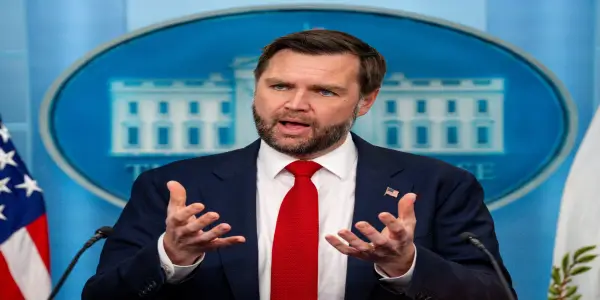
Vice President Vance's recent warning indicates a transformation in US-Israeli relations, highlighting a departure from longstanding assumptions.
In-depth analysis
Background context
The US-Israel alliance has historically been marked by strong military and financial support, with the US aligning closely with Israeli interests. Recent comments from Vice President Vance suggest a shift in this dynamic, indicating that Israel's ability to oppose US diplomatic initiatives without consequences may no longer be guaranteed.
Key political implications
Vance's remarks may signify a reevaluation of the US's unconditional support for Israel, suggesting that American interests could increasingly influence the partnership.
Who gains / who loses
Should the US adopt a more conditional approach to its support, Israel may face greater diplomatic isolation and a loss of strategic autonomy. Conversely, the US could strengthen its regional influence by asserting its priorities in the alliance.
Possible future scenarios
If negotiations with Iran succeed, the US may redefine its support for Israel, focusing on specific policies rather than unconditional backing. This could lead to a more pragmatic relationship that prioritizes regional stability.
Did you know?
Why you should know this
Understanding the evolving dynamics of US-Israeli relations is crucial, as it directly impacts global stability and security. For instance, shifts in military support could affect defense strategies and regional alliances, influencing everything from oil prices to international trade. As these nations navigate complex diplomatic waters, the ramifications will resonate far beyond political corridors, affecting everyday lives in both countries.
Behind the political curtain
A lesser-known aspect of US-Israeli relations is that the US provides approximately $3.8 billion in military aid to Israel annually, making it one of the largest recipients of US foreign aid. This support underpins Israel’s military capabilities and has historically granted it significant influence in the region.
Ordinary person in an extraordinary situation
Meet Sarah Cohen, a 34-year-old entrepreneur from Tel Aviv who runs a small tech startup. With the recent uncertainty in US support, Sarah feels a mix of anxiety and determination. Her business relies heavily on partnerships with American firms, and the shifting political landscape leaves her questioning the future. She recalls a recent conversation with her father, a veteran of the IDF, who fears that diminishing US support could lead to increased regional instability. For Sarah, the implications are personal; her dreams of expanding her business hinge not just on her efforts but on the broader geopolitical climate. As she navigates her ambitions amidst this uncertainty, Sarah embodies the real stakes of diplomatic shifts, illustrating how policies can affect the aspirations of everyday people.
Expert Commentary
Bangladesh Seeks India's Assistance in...
Kenya Urges Protection for Citizens Amid...

Mamdani Emerges Victorious in NYC Mayoral Race...
Democrats Celebrate Recent Wins Amidst Internal...

Challenges Faced by Costumes in 'Mighty Morphin...

The Fate of the Maquis in Star Trek: A Missed...

Algeria Grants Pardon to Jailed Novelist Boualem...

European Automakers Face New Chip Shortage as...

Sias University Adapts to Modern Educational...

Reddit Enhances App Performance with R8...
Saudi Crown Prince Mohammed bin Salman Set for...
Limited Expectations as Trump and Xi Approach...

Baden Bower Reduces Pitch-to-Publish Timeline by...
Saudi Crown Prince's Invitation to the White...
Egypt Affirms Commercial Nature of Gas Agreement...
Switzerland Faces Economic Challenges Amid U.S....

Hungarian Prime Minister Viktor Orban Engages...
Denmark's Prime Minister Advocates for Stricter...
The Role of Palestinian Statehood in Advancing...
South Korea Initiates First Military Talks with...
US-South Korea Agreement to Develop...
US Tariffs Impact Nuevo Leon's Steel Sector,...
European Allies Stand Firm with Denmark Amid U.S....
Italy's PM Meloni Responds Firmly to Trump's...
Bangladesh's International Crimes Tribunal...

Jetpack Navigation 3 Achieves Stability for...

The 1969 Sino-Soviet Border Conflict: A Near Miss...
Russian and Indian Foreign Ministers Convene...

Isaac Asimov's Perspective on Star Trek: A Sci-Fi...

NASA Unveils Stunning Images of Interstellar...
UK Finalizes £8 Billion Typhoon Fighter Jet...
Mark Carney Discusses Political Transition During...
NFL Players Union Faces Grievance Over Annual...
New Yorkers Kick Off Early Voting for Mayoral...
South Africa's G20 Presidency: A Mixed Legacy of...

Geopolitical Tensions Surround Palau Amid...
Zohran Mamdani Secures Victory in New York City...

Exploring Intimacy and Isolation in Claire-Louise...

Indian Trade Unions Rally Against New Labour...

Comet 3I/ATLAS Continues to Mystify Scientists...