Switzerland Faces Economic Challenges Amid U.S. Tariffs
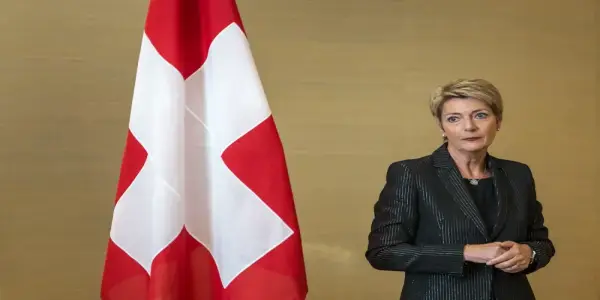
Switzerland confronts economic turmoil as the U.S. imposes a 25% tariff on its goods, challenging its historic neutrality and highlighting vulnerabilities in...
In-depth analysis
Background context
Switzerland has long been synonymous with neutrality and diplomacy, enjoying robust global economic ties. However, recent U.S. tariffs, significantly higher than those imposed on other nations, have exposed vulnerabilities in its economy, prompting a reevaluation of its historical stance amid escalating geopolitical tensions and aggressive trade policies.
Key political implications
The tariffs challenge Switzerland's traditional neutrality, pushing it to reconsider its diplomatic strategies and economic alliances. This shift may compel the nation to strengthen ties with the EU and other partners to mitigate economic risks.
Who gains / who loses
The U.S. may gain leverage in negotiations, particularly regarding pharmaceutical pricing, while Switzerland faces economic downturns and potential stagnation. Swiss pharmaceutical companies, crucial to the economy, are particularly vulnerable to these tariffs, risking their competitive edge.
Possible future scenarios
Switzerland may increasingly align with larger economic blocs, seeking new trade agreements to counteract U.S. pressures. Alternatively, the nation could face prolonged economic challenges, further straining its traditional neutrality in international affairs.
Did you know?
Why you should know this
The recent U.S. tariffs on Swiss goods could directly impact prices for everyday items in Switzerland. As costs rise, consumers may find themselves paying more for medicines and tech products. These tariffs not only threaten economic growth but also challenge Switzerland's longstanding reputation as a reliable source of quality goods, affecting both local businesses and consumers alike.
Behind the political curtain
Switzerland's historic neutrality has allowed it to avoid significant military conflicts, but it also meant that economic self-reliance was crucial. Surprisingly, Switzerland is the only country that has been slapped with higher tariffs than the EU, despite its strong relationships with American pharmaceutical giants.
Ordinary person in an extraordinary situation
Consider Marie, a small business owner in Zurich who imports specialty Swiss chocolates for her café. With the new tariffs, her costs are projected to rise by 25%. Marie is torn; she wants to keep her prices stable for loyal customers, but her margins are shrinking. As she contemplates raising prices, she worries about losing patrons who may already be struggling with rising living costs. This shift puts her dreams of expanding her business on hold, illustrating how global economic decisions can reverberate through individual lives, forcing ordinary people like Marie to navigate increasingly precarious financial waters.

Spain's Attorney General Convicted in...

The Fate of the Maquis in Star Trek: A Missed...
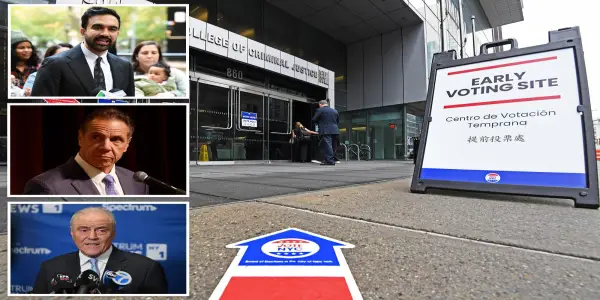
New Yorkers Kick Off Early Voting for Mayoral...
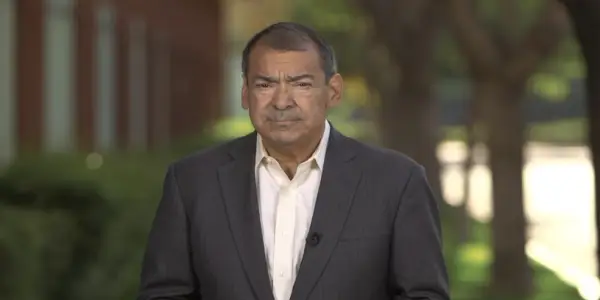
Jim Avila, Esteemed ABC News Correspondent, Dies...
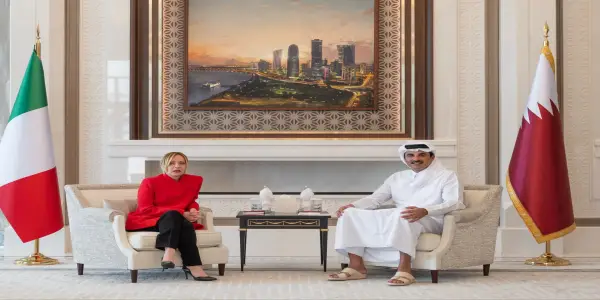
Italy's Meloni Engages with Qatar Emir on Energy...

Armenian Deputy Foreign Minister Visits Israel...

Iraq's Parliamentary Elections: Key Insights...
Denmark's Prime Minister Advocates for Stricter...
Javier Milei's Victory Signals a Shift in...

US-South Korea Agreement to Develop...
Indian Trade Unions Rally Against New Labour...
Cuban Authorities Engage in Deadly Clash with...
The 1969 Sino-Soviet Border Conflict: A Near Miss...
Canada and China Take Steps Toward Repairing...

Jetpack Navigation 3 Achieves Stability for...
Tarique Rahman's Homecoming: A Potential Turning...
AfD Leader Raises Concerns Over Potential Threats...
China's Shift to a Cautious Research Strategy...
Bangladesh's International Crimes Tribunal...
Cuba Rejects U.S. Security Threat Claims Amid...

NFL Players Union Faces Grievance Over Annual...
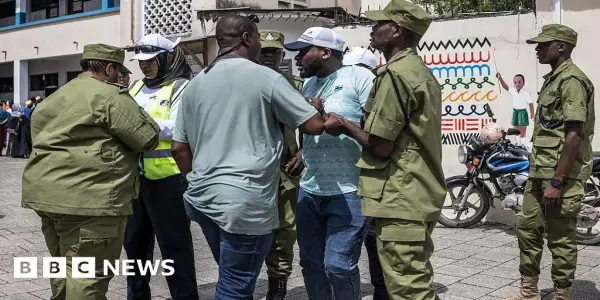
Kenya Urges Protection for Citizens Amid...
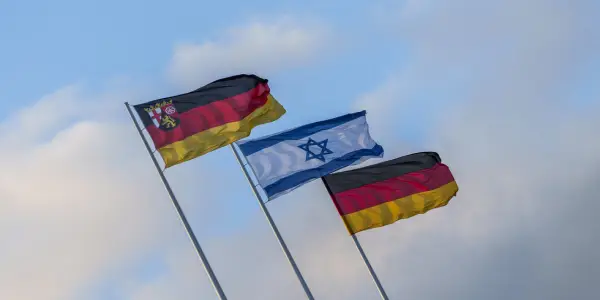
Germany Resumes Arms Exports to Israel Amid...

Geopolitical Tensions Surround Palau Amid...
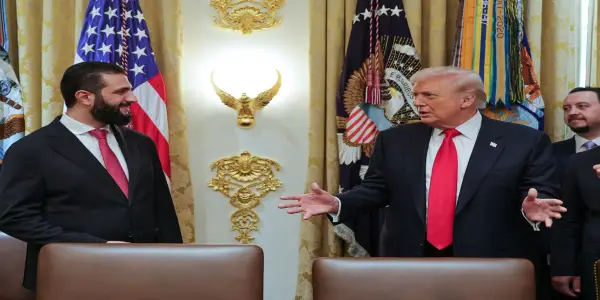
U.S. Extends Sanctions Relief as Syrian Leader...
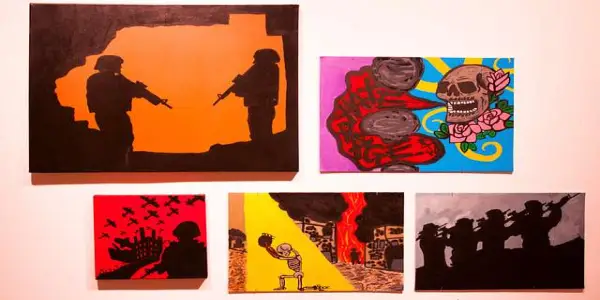
Misjudgments in Military Strategy: The Lessons...

WWE Raw Recap: Titles Change Hands in Thrilling...
Key Insights from Trump's National Security...
Khamenei Assassination: A Pivotal Shift in...

Saudi Crown Prince Mohammed bin Salman Set for...
U.S. Authorities Detain British Journalist Linked...
Saudi Crown Prince's Invitation to the White...
Zohran Mamdani Secures Victory in New York City...
South Africa's G20 Presidency: A Mixed Legacy of...
South Korea Initiates First Military Talks with...

NASA Unveils Stunning Images of Interstellar...
Japan and Finland in Diplomatic Tension Following...
Democrats Celebrate Recent Wins Amidst Internal...
U.S. Lawmakers Express Concerns Over Trump...