Armenian Deputy Foreign Minister Visits Israel Amid Ongoing Diplomatic Tensions

Armenian Deputy Foreign Minister Vahan Kostanyan visits Israel to strengthen ties and discuss the U.S.-backed TRIPP project amid ongoing diplomatic tensions.
In-depth analysis
Background context
The visit of Armenia's Deputy Foreign Minister Vahan Kostanyan to Israel marks a significant diplomatic effort to strengthen ties amid a backdrop of historical tensions. Both countries are navigating complex geopolitical landscapes, including Armenia's strategic connections with Iran and the contentious TRIPP project aimed at enhancing regional connectivity between Central Asia and Europe.
Key political implications
Kostanyan's discussions in Israel may reshape regional alliances, particularly as both nations seek to balance their interests amid ongoing tensions with Iran and Azerbaijan, potentially altering the dynamics of power in the South Caucasus.
Who gains / who loses
Israel stands to gain a strategic partner in Armenia, enhancing its influence in the region, while Armenia could benefit economically from Israeli investment and support. However, unresolved issues, particularly anti-Semitism and property disputes, pose risks to mutual trust and cooperation.
Possible future scenarios
If negotiations succeed, a strengthened partnership could emerge, fostering economic collaboration and regional stability. Conversely, failure to address sensitive issues may exacerbate tensions, hindering progress and reinforcing existing divides between the nations.
Did you know?
Why you should know this
Understanding the complexities of Armenia-Israel relations is crucial as both nations stand at a crossroads, grappling with historical tensions and new opportunities. This visit not only aims to foster economic ties but also reflects broader geopolitical interests in the region, impacting trade routes and international diplomacy. For everyday people, the outcomes could influence local economies and regional stability.
Behind the political curtain
In a surprising twist, despite Armenia's historical ties with Iran, the country has been increasingly open to strengthening relations with Israel, especially given the U.S. backing of initiatives like the TRIPP project. This shift highlights a nuanced approach to foreign policy that may not be immediately apparent.
Ordinary person in an extraordinary situation
Meet Aram, a 34-year-old Armenian shopkeeper in Jerusalem’s Armenian Quarter. As the property dispute over a hotel development unfolds, Aram feels the weight of uncertainty. His shop, a family business for generations, is at the heart of the community's identity. He fears that the protests and rising tensions could alienate neighbors and customers. Aram recalls a time when Armenian and Jewish families shared meals and stories, fostering a spirit of coexistence. Now, he worries that the divisive rhetoric threatens that bond. For him, the discussions between Kostanyan and Israeli leaders are not just political; they represent hope for a future where economic prosperity can bridge divides, allowing communities to thrive together.
South Korea Initiates First Military Talks with...
Egypt Affirms Commercial Nature of Gas Agreement...
Limited Expectations as Trump and Xi Approach...

Apple Achieves Unprecedented Financial Success in...
Khamenei Assassination: A Pivotal Shift in...
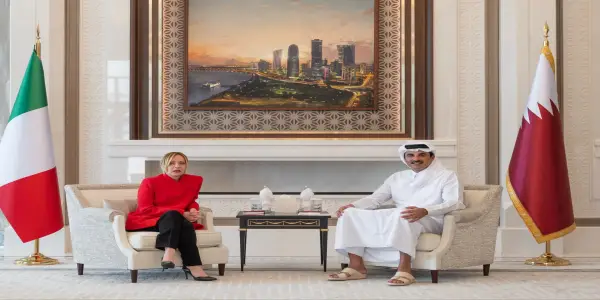
Italy's Meloni Engages with Qatar Emir on Energy...
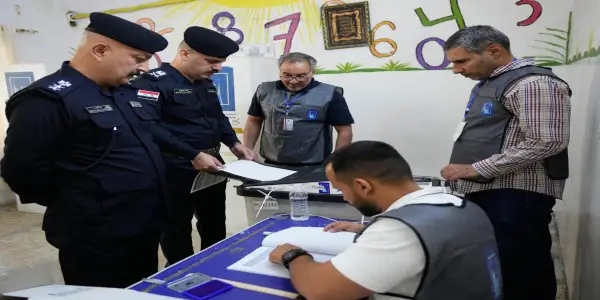
Iraq's Parliamentary Elections: Key Insights...
Canada's Carney to Meet Xi in China, Signaling a...

Baden Bower Reduces Pitch-to-Publish Timeline by...

Colombia's ELN Rebels Intensify Military Drills...

Cuban Authorities Engage in Deadly Clash with...
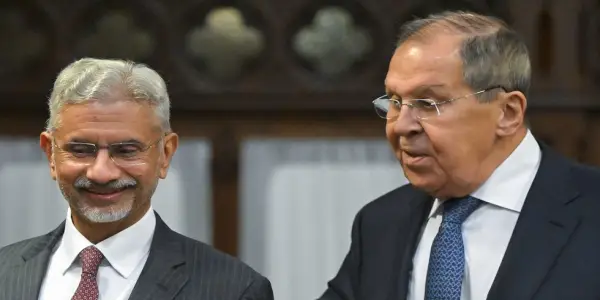
Russian and Indian Foreign Ministers Convene...

Saudi Crown Prince Mohammed bin Salman Set for...

Jetpack Navigation 3 Achieves Stability for...

Hungarian Prime Minister Viktor Orban Engages...
Cuba Rejects U.S. Security Threat Claims Amid...

South Africa's G20 Presidency: A Mixed Legacy of...

The Evolving Landscape of Copyright Enforcement...

Denmark's Prime Minister Advocates for Stricter...

Switzerland Faces Economic Challenges Amid U.S....

The Rise of Technocracy in Modern Governance

Jared Isaacman Renominated as NASA Administrator...

Reddit Enhances App Performance with R8...
Germany Resumes Arms Exports to Israel Amid...

U.S. Authorities Detain British Journalist Linked...

NASA Unveils Stunning Images of Interstellar...

Contradictory Signals from Trump and Rubio on...

New England Senators Play Crucial Role in...

European Automakers Face New Chip Shortage as...

Lessons from Ulysses S. Grant on Civil-Military...
Geopolitical Tensions Surround Palau Amid...
German Chancellor Merz to Visit Israel for Key...
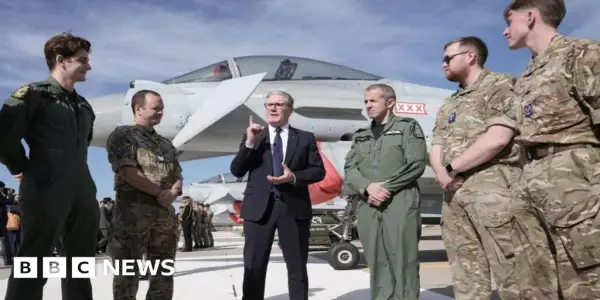
UK Finalizes £8 Billion Typhoon Fighter Jet...

The Legacy of French Colonialism: Language and...

The Fate of the Maquis in Star Trek: A Missed...

Sias University Adapts to Modern Educational...

Tarique Rahman's Homecoming: A Potential Turning...

Bhutan's Complex Relationship with India: A...

The 1969 Sino-Soviet Border Conflict: A Near Miss...

Saudi Crown Prince's Invitation to the White...