Vatican Engages with Rubio Amid Ongoing Diplomatic Tensions
Vatican officials and Marco Rubio discuss global conflicts and peace efforts in a meeting that underscores the complex relationship between faith and politics.
In-depth analysis
Background context
The recent meeting between U.S. Senator Marco Rubio and Pope Francis at the Vatican addressed urgent global issues, including war and humanitarian crises. This engagement reflects a renewed commitment to strengthening ties between the Holy See and the United States, particularly amid ongoing international conflicts that require collaborative diplomatic efforts.
Key political implications
This meeting underscores a potential thaw in relations between the U.S. and the Vatican, signaling a shift towards cooperative dialogue on critical global issues, especially in the context of previous tensions.
Who gains / who loses
The Vatican gains a strategic ally in U.S. lawmakers like Rubio, who support diplomatic solutions. Conversely, hardline political factions within the U.S. may perceive this engagement as undermining their positions on foreign policy, particularly regarding nuclear disarmament.
Possible future scenarios
Increased collaboration between the U.S. and the Vatican could lead to more coordinated efforts on global humanitarian initiatives, while persistent ideological divides may challenge long-term diplomatic relations.
Did you know?
Why you should know this
The dialogue between U.S. lawmakers and the Vatican highlights the influence of faith in global politics, especially in times of humanitarian crises. As international conflicts escalate, understanding these discussions can help individuals see how diplomacy shapes policies that affect aid, refugee support, and global peace initiatives. This interaction underscores the importance of cooperation in addressing challenges that impact daily lives.
Behind the political curtain
In 1984, the Vatican established formal diplomatic relations with the U.S., making it one of the first countries to do so. This relationship has allowed the Holy See to play a unique role in mediating international conflicts, often leveraging its moral authority to advocate for peace and humanitarian efforts.
Ordinary person in an extraordinary situation
Maria Gonzalez, a refugee from Central America, found solace in the teachings of Pope Francis during her harrowing journey to the U.S. After losing family to violence, she clung to the Pope's messages of hope and peace. While world leaders discuss policies, individuals like Maria embody the stakes of these conversations. The intersection of faith and politics is not just theoretical; it directly influences the lives of those seeking safety and stability. For Maria, every diplomatic meeting resonates deeply, reminding her that hope for a better future is rooted in the actions of those in power.
Expert Commentary
The recent meeting between U.S. Senator Marco Rubio and Pope Francis underscores the Vatican's enduring role as a moral compass in international diplomacy. With global conflicts escalating, the dialogue between secular leaders and religious authorities is crucial for fostering peace. The symbolic exchange of gifts—a crystal football and an olive wood pen—highlights the shared commitment to dialogue and reconciliation. As the Vatican navigates its complex relationship with U.S. politics, particularly against a backdrop of previous tensions, its advocacy for disarmament and humanitarian aid remains vital. This engagement signals a potential shift toward collaboration on pressing global issues, reflecting a nuanced understanding of faith's influence in political arenas.
Nevada's Governor's Office Allegedly Intervened...

Exploring Intimacy and Isolation in Claire-Louise...
Japan Reacts Strongly to China's Travel Advisory...
Mamdani's Victory: A Turning Point for the...
Canada's Carney to Meet Xi in China, Signaling a...
Trump Addresses Nuclear Testing, Government...

Apple Achieves Unprecedented Financial Success in...
US Tariffs Impact Nuevo Leon's Steel Sector,...
Syria's Foreign Minister Visits China to...

The Fate of the Maquis in Star Trek: A Missed...
The Impact of Trump's Second Year: A Year of...
Algeria Grants Pardon to Jailed Novelist Boualem...
Political Reactions to BBC Leadership Changes...
Kenya Urges Protection for Citizens Amid...
Democrats Celebrate Recent Wins Amidst Internal...
Jared Isaacman Renominated as NASA Administrator...
U.S. Extends Sanctions Relief as Syrian Leader...
Colombia's ELN Rebels Intensify Military Drills...
Lessons from Ulysses S. Grant on Civil-Military...
Exiled Russian Orthodox Leader Responds to Spying...

Reddit Enhances App Performance with R8...
Mamdani Emerges Victorious in NYC Mayoral Race...

NASA Unveils Stunning Images of Interstellar...
Bhutan's Complex Relationship with India: A...
Italy's Meloni Engages with Qatar Emir on Energy...
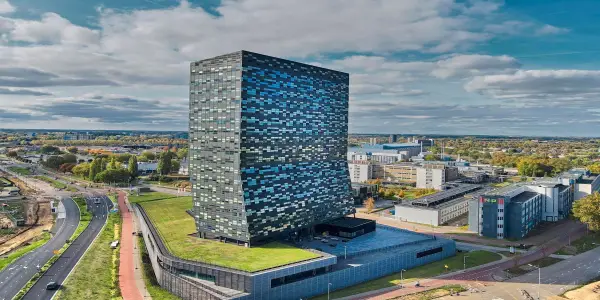
European Automakers Face New Chip Shortage as...
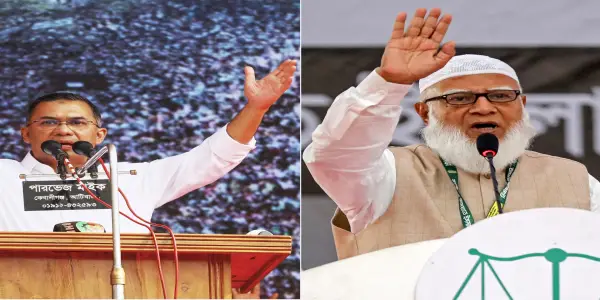
Bangladesh's Upcoming Election: Key Political...
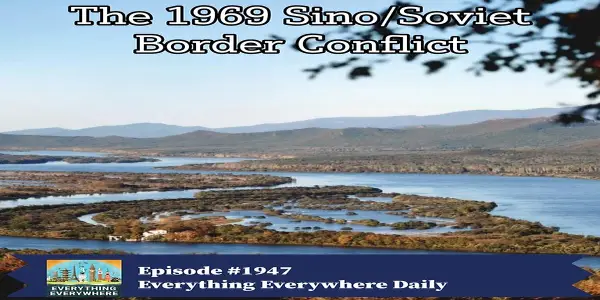
The 1969 Sino-Soviet Border Conflict: A Near Miss...
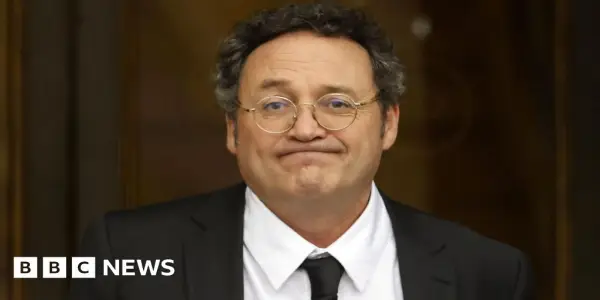
Spain's Attorney General Convicted in...
Zohran Mamdani's Vision for Global Municipal...
Contradictory Signals from Trump and Rubio on...
Egypt Affirms Commercial Nature of Gas Agreement...
Japan Protests China's Travel Advisory Amid...
Revitalizing Relations: The Future of the...
Tarique Rahman's Homecoming: A Potential Turning...
Javier Milei's Victory Signals a Shift in...
Ireland Moves Forward with Bill Targeting Israeli...

Baden Bower Reduces Pitch-to-Publish Timeline by...
Iraq's Parliamentary Elections: Key Insights...
Zohran Mamdani Secures Victory in New York City...