The Shifting Landscape of Global Power Dynamics
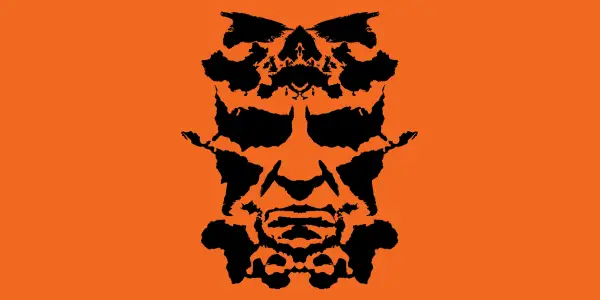
The Trump administration's National Security Strategy signals a significant shift in U.S. foreign policy, prioritizing national interests and raising global ...
In-depth analysis
Background context
The Trump administration's National Security Strategy signifies a decisive shift away from the liberal international order established post-World War II. This new approach prioritizes American national interests over multilateral cooperation, raising concerns about global security and economic stability in a world that is becoming increasingly competitive and fragmented.
Key political implications
The U.S. withdrawal from its role as a global stabilizer could undermine longstanding alliances, prompting nations to reconsider their defense strategies and foreign policy alignments in the face of an uncertain American commitment.
Who gains / who loses
Countries like Germany and Japan may feel pressured to bolster their military capabilities, potentially leading to a resurgence of militarism. Conversely, nations like Russia and China could benefit from a less engaged U.S., potentially expanding their influence and regional dominance.
Possible future scenarios
The future could see a fragmented international landscape characterized by increased competition and potential conflicts as nations prioritize their own interests. Alternatively, there may be efforts to establish new alliances that prioritize regional security over traditional partnerships.
Did you know?
Why you should know this
Understanding the Trump administration's National Security Strategy is crucial as it signals a seismic shift in how the U.S. engages with the world. This change affects international trade, military alliances, and the stability of regions like Europe and Asia. For everyday citizens, it could impact everything from job markets to global cooperation on issues like climate change and public health.
Behind the political curtain
A lesser-known aspect of the National Security Strategy is that it explicitly references the importance of great power competition, a term not commonly used in U.S. policy discussions since the end of the Cold War. This shift in focus reveals a growing anxiety about rising powers like China and Russia, reshaping how the U.S. views its place on the global stage.
Ordinary person in an extraordinary situation
Meet Laura, a small business owner in San Francisco who imports textiles from Europe. With the U.S. moving away from its traditional alliances, Laura is facing uncertainty. Increased tariffs and potential supply chain disruptions could force her to raise prices, impacting her loyal customers. She worries that as the global market shifts, her once-thriving business might struggle to adapt. Laura's situation illustrates how geopolitical changes ripple down to everyday lives, making the complex world of international relations feel very personal.
Expert Commentary
Honestly? This feels like watching someone dismantle their own house and calling it freedom. The liberal order wasn’t perfect—far from it—but it kept the world from tearing itself apart for 80 years. Throwing that away because “America first” sounds tough is shortsighted. We’re not entering a new era; we’re walking backwards into an old one. And history shows multipolarity without rules just means someone eventually breaks things.
South Africa's G20 Presidency: A Mixed Legacy of...

Baden Bower Reduces Pitch-to-Publish Timeline by...
Javier Milei's Victory Signals a Shift in...
Japan Protests China's Travel Advisory Amid...
Czech President Appoints Billionaire Former Prime...

The 1969 Sino-Soviet Border Conflict: A Near Miss...

China's Shift to a Cautious Research Strategy...

Spain's Attorney General Convicted in...
Texas Governor Abbott Designates CAIR as a...
Bangladesh's International Crimes Tribunal...

Reddit Enhances App Performance with R8...
Limited Expectations as Trump and Xi Approach...
South Korea Rebuilds Trust and Reassesses Foreign...

Geopolitical Tensions Surround Palau Amid...
Khamenei Assassination: A Pivotal Shift in...
Italy's PM Meloni Responds Firmly to Trump's...
Japan Reacts Strongly to China's Travel Advisory...
Japan and Finland in Diplomatic Tension Following...
Indian Trade Unions Rally Against New Labour...

New Advocacy Report Urges Action Against Child...

NASA Unveils Stunning Images of Interstellar...
The Impact of Trump's Second Year: A Year of...

The Evolving Landscape of Copyright Enforcement...
Canada and China Take Steps Toward Repairing...

Exploring Intimacy and Isolation in Claire-Louise...

NFL Players Union Faces Grievance Over Annual...
Switzerland Faces Economic Challenges Amid U.S....
US Tariffs Impact Nuevo Leon's Steel Sector,...
U.S. Extends Sanctions Relief as Syrian Leader...
European Automakers Face New Chip Shortage as...
The Legacy of French Colonialism: Language and...
Six Finalists Announced for the 2026...

Golden Snub-Nosed Monkeys Make European Debut in...

Cuban Authorities Engage in Deadly Clash with...
Is the U.S. Reassessing Its Stance on Israel...

Bhutan's Complex Relationship with India: A...
German Chancellor Merz to Visit Israel for Key...

Egypt Affirms Commercial Nature of Gas Agreement...

Trump Appoints Special Envoy to Greenland,...

Comet 3I/ATLAS Continues to Mystify Scientists...