Indian Trade Unions Rally Against New Labour Codes, Prepare Nationwide Protests
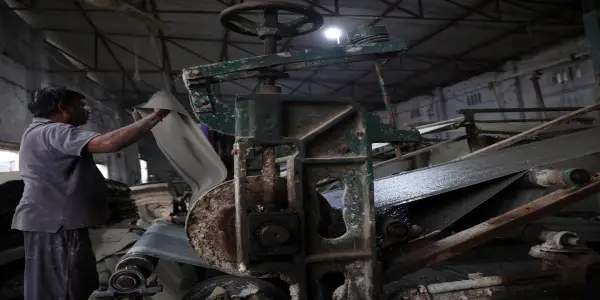
Indian trade unions unite against new labour codes, declaring them a deceptive fraud. Nationwide protests planned as opposition to government reforms intensi...
In-depth analysis
Background context
India's recent overhaul of labour laws represents a significant shift in its economic framework, being the first major revision in decades. The new codes aim to modernize outdated regulations, some of which trace back to colonial times, amidst rising demands for worker protections and business flexibility. Unions have responded with widespread protests.
Key political implications
The backlash from trade unions against the new labour codes poses a challenge for Prime Minister Modi's government, potentially impacting its support base and electoral prospects as opposition parties capitalize on worker discontent.
Who gains / who loses
Businesses, particularly in manufacturing, may benefit from increased flexibility and reduced regulatory burdens, potentially fostering growth. Conversely, workers may face job insecurity and diminished protections, raising concerns about their rights and livelihoods.
Possible future scenarios
As protests escalate, the government might be compelled to reconsider or amend the new codes. Alternatively, if opposition remains fragmented, the current regulations could be firmly established, reshaping India’s labour landscape for years to come.
Did you know?
Why you should know this
The new labour codes in India could reshape millions of workers' lives, impacting job security, wages, and working conditions. For instance, the shift in layoff thresholds may leave many workers vulnerable to sudden job loss. Understanding these changes is crucial, as they may affect the stability of families and communities across the country, especially in industries heavily reliant on manual labor.
Behind the political curtain
The current overhaul of India's labour laws is the first since 1947, when the country gained independence. This historic revision reflects a significant shift away from colonial-era regulations, illustrating the government's effort to modernize a framework that many believe has hindered economic growth.
Ordinary person in an extraordinary situation
Meet Priya, a 34-year-old factory worker in Bhubaneswar, who recently participated in the protests against the new labour codes. As a single mother, she relies on her job to support her two children. The prospect of longer shifts and fewer protections fills her with anxiety. Priya fears that if her employer decides to downsize, the new regulations will make it easier to let her go without notice. With no safety net, she worries about how she would provide for her family in such a scenario. Her story reflects the broader struggle faced by countless workers navigating an uncertain future under these controversial changes.

UK Finalizes £8 Billion Typhoon Fighter Jet...
Japan Protests China's Travel Advisory Amid...

Canada Decides Against Public Disclosure of Nazi...

US Tariffs Impact Nuevo Leon's Steel Sector,...

Geopolitical Tensions Surround Palau Amid...

US-South Korea Agreement to Develop...

Iraq's Parliamentary Elections: Key Insights...

Italy's Meloni Engages with Qatar Emir on Energy...

Contradictory Signals from Trump and Rubio on...

Golden Snub-Nosed Monkeys Make European Debut in...

Sias University Adapts to Modern Educational...

Political Reactions to BBC Leadership Changes...

Spain's Attorney General Convicted in...

Inquiry Critiques Scottish Government's Covid-19...

Colombia's ELN Rebels Intensify Military Drills...

Is the U.S. Reassessing Its Stance on Israel...

EA Raises Concerns Over Sale to Saudi Arabia's...

NASA Unveils Stunning Images of Interstellar...

Revitalizing Relations: The Future of the...
Kenya Urges Protection for Citizens Amid...

The Role of Palestinian Statehood in Advancing...

Examining Trump's Claims of Resolving Conflicts:...

Misjudgments in Military Strategy: The Lessons...

South Korea Initiates First Military Talks with...
Tarique Rahman's Homecoming: A Potential Turning...

Democrats Celebrate Recent Wins Amidst Internal...
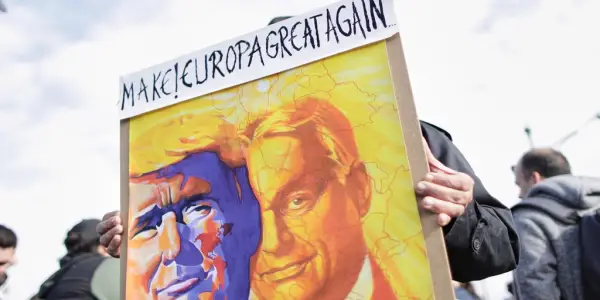
Hungarian Prime Minister Viktor Orban Engages...

Switzerland Faces Economic Challenges Amid U.S....

Cuban Authorities Engage in Deadly Clash with...

Peru Sever Diplomatic Relations with Mexico Amid...

Italy's PM Meloni Responds Firmly to Trump's...
Jim Avila, Esteemed ABC News Correspondent, Dies...

Ireland Moves Forward with Bill Targeting Israeli...

Mamdani Emerges Victorious in NYC Mayoral Race...
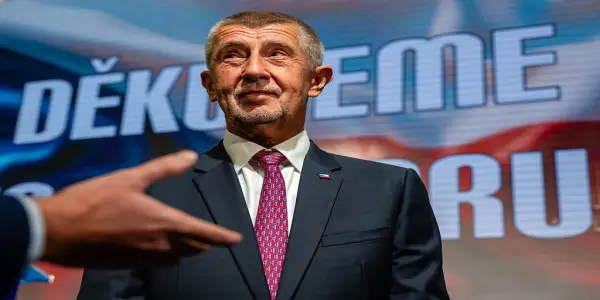
Czech President Appoints Billionaire Former Prime...

German Chancellor Merz to Visit Israel for Key...
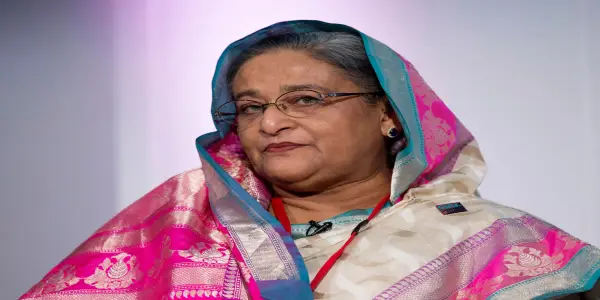
Bangladesh Seeks India's Assistance in...

Key Insights from Trump's National Security...
Canada's Carney to Meet Xi in China, Signaling a...

Challenges Faced by Costumes in 'Mighty Morphin...