Kosovo Faces Political Stalemate as Voters Seek EU and NATO Progress
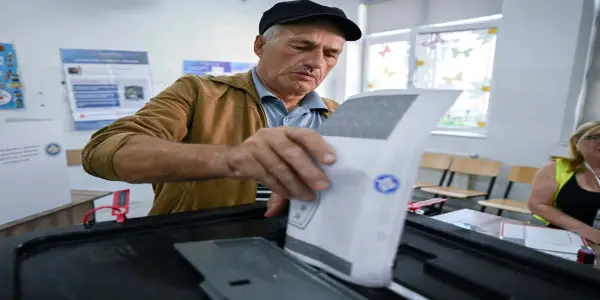
Kosovo's political deadlock continues as early election results show Kurti's party leads but lacks majority, impacting EU ambitions and economic stability.
In-depth analysis
Background context
Kosovo is currently facing a political crisis marked by instability and economic challenges, particularly exacerbated by the global energy crisis. The nation, which declared independence from Serbia in 2008, is striving for closer ties with the EU and NATO, yet has struggled with a functional government for much of the past year.
Key political implications
The election results signal a need for coalition-building, as no party has achieved an outright majority. This situation complicates Kosovo's political landscape and its ambitions for EU membership.
Who gains / who loses
Vetevendosje, led by Prime Minister Albin Kurti, remains a significant player but may face challenges in forming a government due to opposition from rival parties. Voters, disillusioned by political stalemate, express frustration, highlighting a potential loss of trust in the political system.
Possible future scenarios
The outcomes of coalition negotiations will be critical in shaping Kosovo's political landscape. Successful alliances could enhance stability and progress toward EU integration, while failure may lead to further political deadlock and public discontent.
Did you know?
Why you should know this
Kosovo's ongoing political turmoil directly impacts its aspirations for EU and NATO membership, affecting the daily lives of its citizens. As negotiations for a stable government unfold, the delay in accessing vital international funds hampers economic recovery. Understanding this situation sheds light on the challenges faced by one of Europe's youngest democracies, whose future hinges on effective governance and international relations.
Behind the political curtain
In a surprising twist, Kosovo's Vetevendosje party, despite leading the vote count, may struggle to form a government independently. Historically, coalition negotiations in Kosovo have often resulted in prolonged deadlocks, revealing a complex political landscape that can stall progress even when one party appears dominant.
Ordinary person in an extraordinary situation
Retired teacher Gezim Selimi embodies the frustrations felt by many Kosovars. At 65, he has witnessed the highs and lows of his country's journey since independence. With a heart for education and community, he now feels sidelined by the political impasse. 'We need leaders who prioritize our future, not just their power struggles,' he says, reflecting a yearning for stability and meaningful economic progress. Gezim's perspective highlights the emotional toll of political instability; for him and countless others, the stakes are personal. The desire for a government that delivers on promises is not just a political wish—it's a necessity for families hoping for better living conditions and opportunities.
Expert Commentary
Geopolitical Tensions Surround Palau Amid...
Bangladesh's International Crimes Tribunal...
Japan Reacts Strongly to China's Travel Advisory...
Democrats Celebrate Recent Wins Amidst Internal...

U.S. Embassies Redefine Human Rights:...

Spain's Attorney General Convicted in...
European Allies Stand Firm with Denmark Amid U.S....
Russian and Indian Foreign Ministers Convene...

Reddit Enhances App Performance with R8...
Kenya Urges Protection for Citizens Amid...

Iraq's Parliamentary Elections: Key Insights...

Baden Bower Reduces Pitch-to-Publish Timeline by...

Ireland Moves Forward with Bill Targeting Israeli...
Tarique Rahman's Homecoming: A Potential Turning...

Contradictory Signals from Trump and Rubio on...
Bangladesh Seeks India's Assistance in...

Revitalizing Relations: The Future of the...
Is the U.S. Reassessing Its Stance on Israel...
Canada's Carney to Meet Xi in China, Signaling a...
Political Reactions to BBC Leadership Changes...

New Yorkers Kick Off Early Voting for Mayoral...
Limited Expectations as Trump and Xi Approach...

Exploring Intimacy and Isolation in Claire-Louise...

The Evolving Landscape of Copyright Enforcement...
Key Insights from Trump's National Security...
AfD Leader Raises Concerns Over Potential Threats...

EA Raises Concerns Over Sale to Saudi Arabia's...
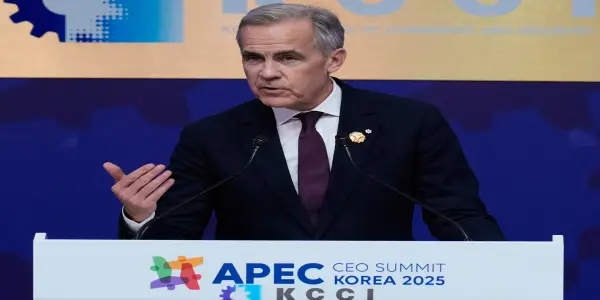
Canada and China Take Steps Toward Repairing...

Comet 3I/ATLAS Continues to Mystify Scientists...
Cuban Authorities Engage in Deadly Clash with...
Golden Snub-Nosed Monkeys Make European Debut in...
South Africa's G20 Presidency: A Mixed Legacy of...

Apple Achieves Unprecedented Financial Success in...
Zohran Mamdani Secures Victory in New York City...
Sias University Adapts to Modern Educational...
Denmark's Prime Minister Advocates for Stricter...
Lessons from Ulysses S. Grant on Civil-Military...
US-South Korea Agreement to Develop...
U.S. Lawmakers Express Concerns Over Trump...

Peru Sever Diplomatic Relations with Mexico Amid...