South Africa's G20 Presidency: A Mixed Legacy of Achievement and Challenges
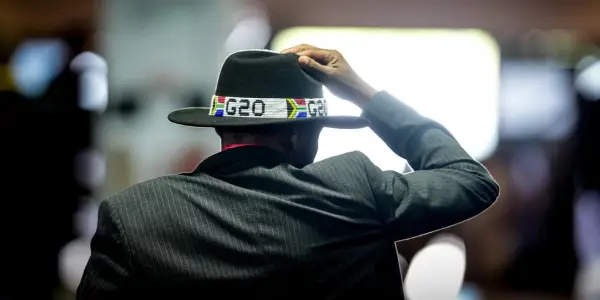
South Africa's historic G20 presidency showcased its leadership amid global challenges, achieving key agreements on food security and clean energy while navi...
In-depth analysis
Background context
South Africa's historic presidency of the G20 this year marked a significant moment for the African continent, as it became the first African nation to lead the group. The presidency included over 100 events focusing on critical global challenges, such as debt management, energy transitions, and food security, while fostering dialogue between G20 members and African nations.
Key political implications
The G20 summit highlighted the growing divide between major powers and emerging economies, raising questions about the group's effectiveness in addressing global issues amidst geopolitical tensions.
Who gains / who loses
Emerging economies, particularly in Africa, stand to gain from South Africa's presidency as it amplifies their concerns on the global stage. Conversely, major powers like the U.S. and Russia may find their influence diminished if they continue to disengage from multilateral discussions.
Possible future scenarios
Future G20 meetings will be crucial in assessing whether major powers are willing to collaborate on pressing global challenges, influencing the effectiveness of multilateral cooperation and the representation of developing nations.
Did you know?
Why you should know this
South Africa's presidency of the G20 is more than a ceremonial role; it directly influences global economic policies that affect everyday lives, especially in Africa. Issues like food security and energy access are crucial for millions who struggle with poverty. The decisions made in these high-stakes discussions can lead to tangible improvements in job creation, healthcare, and sustainable development for communities facing these challenges.
Behind the political curtain
While many view the G20 as a platform for major economies, South Africa's presidency highlighted a lesser-known fact: the G20 was initially formed in response to an economic crisis, yet it's still grappling with representation issues for developing nations—an ongoing challenge that influences global negotiations today.
Ordinary person in an extraordinary situation
Meet Thandi, a farmer in rural South Africa who has faced relentless droughts and skyrocketing food prices. With the G20 discussions focusing on food security, she feels a glimmer of hope. Thandi often worries about the future of her family and her crops. The policies emerging from this summit could mean access to better resources and support for farmers like her. As she tends to her fields, Thandi reflects on how international negotiations might impact her livelihood. Her story embodies the intersection of global dialogue and local realities, reminding us that behind every policy is a person striving for a better life.

Japan and Finland in Diplomatic Tension Following...
Sias University Adapts to Modern Educational...
Zohran Mamdani's Vision for Global Municipal...
Sanae Takaichi Poised to Become Japan's First...
Khamenei Assassination: A Pivotal Shift in...
South Korea Initiates First Military Talks with...
U.S. Extends Sanctions Relief as Syrian Leader...
Political Reactions to BBC Leadership Changes...
Is the U.S. Reassessing Its Stance on Israel...

The Rise of Technocracy in Modern Governance
Six Finalists Announced for the 2026...
Trump Addresses Nuclear Testing, Government...

EA Raises Concerns Over Sale to Saudi Arabia's...
South Africa's G20 Presidency: A Mixed Legacy of...
Cuban Authorities Engage in Deadly Clash with...

Ireland Moves Forward with Bill Targeting Israeli...

Apple Achieves Unprecedented Financial Success in...

Isaac Asimov's Perspective on Star Trek: A Sci-Fi...
Israel Seeks Diplomatic Renewal with Bolivia...

Exploring Intimacy and Isolation in Claire-Louise...
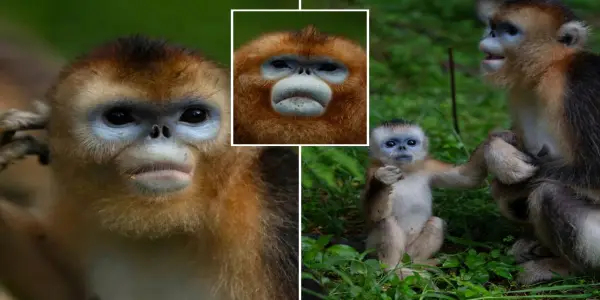
Golden Snub-Nosed Monkeys Make European Debut in...
Jim Avila, Esteemed ABC News Correspondent, Dies...
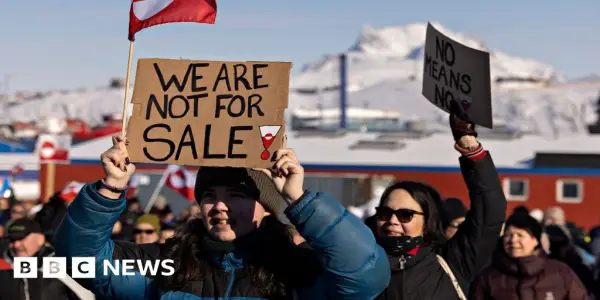
European Allies Stand Firm with Denmark Amid U.S....
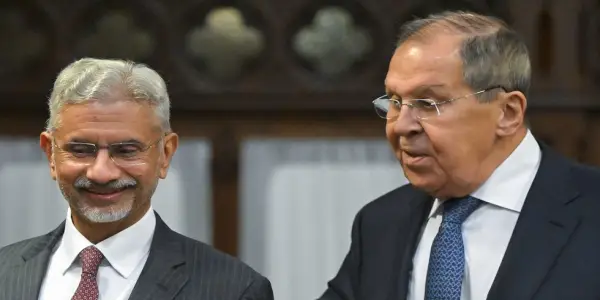
Russian and Indian Foreign Ministers Convene...
US Tariffs Impact Nuevo Leon's Steel Sector,...
European Automakers Face New Chip Shortage as...
Sanae Takaichi: Japan's First Female Prime...
Canada and China Take Steps Toward Repairing...
Bangladesh's International Crimes Tribunal...
Denmark's Prime Minister Advocates for Stricter...

U.S. Authorities Detain British Journalist Linked...
Geopolitical Tensions Surround Palau Amid...
Saudi Crown Prince's Invitation to the White...
Limited Expectations as Trump and Xi Approach...
The 1969 Sino-Soviet Border Conflict: A Near Miss...
Canada's Carney to Meet Xi in China, Signaling a...
Iraq's Parliamentary Elections: Key Insights...
Kenya Urges Protection for Citizens Amid...

New Advocacy Report Urges Action Against Child...

Spain's Attorney General Convicted in...