Analyzing Peter Thiel's Move to Argentina: A Complex Landscape

Peter Thiel's relocation to Argentina sparks debate on the viability of his libertarian ideals amidst the country's economic realities.
In-depth analysis
Background context
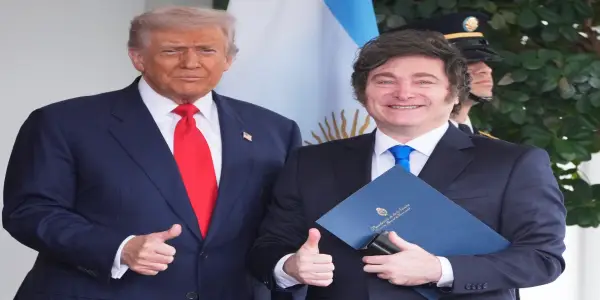
Peter Thiel's relocation to Buenos Aires has sparked considerable interest, prompting discussions about Argentina's economic environment. As President Javier Milei enacts reforms to address inflation and fiscal deficits, the effectiveness and sustainability of these measures remain debated amidst ongoing economic challenges.
Key political implications
Thiel's presence in Argentina could amplify international scrutiny on Milei's administration, particularly regarding its economic policies and their alignment with libertarian ideals, potentially influencing both domestic and foreign investment.
Who gains / who loses
While Thiel's move may attract attention and investment to Argentina, local businesses might struggle under existing export taxes and entrenched political factions. Conversely, those aligned with Milei's vision could benefit from increased international interest.
Possible future scenarios
Argentina could either embrace Thiel's libertarian vision, spurring further reforms, or resist, maintaining its traditional economic structures. The outcome will depend on the government’s ability to navigate complex social dynamics and economic realities.
Did you know?
Why you should know this
Peter Thiel's relocation to Buenos Aires raises questions about the future of Argentina's economy and its appeal to foreign investors. For everyday Argentines, this could mean changes in job opportunities or economic stability. As Milei's policies unfold, the impact on local businesses, agricultural sectors, and even the cost of living could directly affect daily life, making it essential to stay informed.
Behind the political curtain
A lesser-known fact about Argentina's economic landscape is that the country has one of the highest rates of informality in the workforce, with estimates suggesting around 40% of workers are employed in unregulated jobs. This complicates the government’s ability to implement reforms effectively and illustrates the challenges faced by any administration aiming for economic stability.
Ordinary person in an extraordinary situation
Meet Clara, a 34-year-old farmer from Santa Fe, who has witnessed the ups and downs of Argentina's economy firsthand. With export taxes eating into her profits, she feels the weight of Javier Milei's policies directly. While she supports the idea of economic reform, Clara is skeptical of Thiel's vision for a libertarian haven. For her, the priority is not just fiscal surplus but a sustainable livelihood for her family. As she balances her work on the farm with raising her two children, Clara’s story reflects a broader sentiment among many Argentines who desire stability and growth that respects their cultural values. Her hope lies in a future where economic policies align with the realities of everyday life, rather than the ideals of distant investors.
Expert Commentary
Sias University Adapts to Modern Educational...
The Role of Palestinian Statehood in Advancing...
Switzerland Faces Economic Challenges Amid U.S....

Saudi Crown Prince Mohammed bin Salman Set for...

New Advocacy Report Urges Action Against Child...
Japan Reacts Strongly to China's Travel Advisory...
New Yorkers Kick Off Early Voting for Mayoral...
Russian and Indian Foreign Ministers Convene...
Syria's Foreign Minister Visits China to...

Jetpack Navigation 3 Achieves Stability for...
The 1969 Sino-Soviet Border Conflict: A Near Miss...
Kenya Urges Protection for Citizens Amid...

Baden Bower Reduces Pitch-to-Publish Timeline by...
Czech President Appoints Billionaire Former Prime...
Javier Milei's Victory Signals a Shift in...

Is the U.S. Reassessing Its Stance on Israel...
Mamdani's Victory: A Turning Point for the...

Denmark's Prime Minister Advocates for Stricter...

Geopolitical Tensions Surround Palau Amid...

Mamdani Emerges Victorious in NYC Mayoral Race...
Cuban Authorities Engage in Deadly Clash with...

Bangladesh's Upcoming Election: Key Political...
Tarique Rahman's Homecoming: A Potential Turning...
Examining Trump's Claims of Resolving Conflicts:...

Comet 3I/ATLAS Continues to Mystify Scientists...

NASA Unveils Stunning Images of Interstellar...

Challenges Faced by Costumes in 'Mighty Morphin...
New England Senators Play Crucial Role in...

Nevada's Governor's Office Allegedly Intervened...

Miss Universe Cayman Islands Advocates for Global...

Khamenei Assassination: A Pivotal Shift in...

Algeria Grants Pardon to Jailed Novelist Boualem...

Political Reactions to BBC Leadership Changes...
Sanae Takaichi: Japan's First Female Prime...
Key Insights from Trump's National Security...

WWE Raw Recap: Titles Change Hands in Thrilling...
Limited Expectations as Trump and Xi Approach...

Germany Resumes Arms Exports to Israel Amid...
Canada and China Take Steps Toward Repairing...
Canada's Carney to Meet Xi in China, Signaling a...