China Moves to Counter US Sanctions on Five Independent Refineries
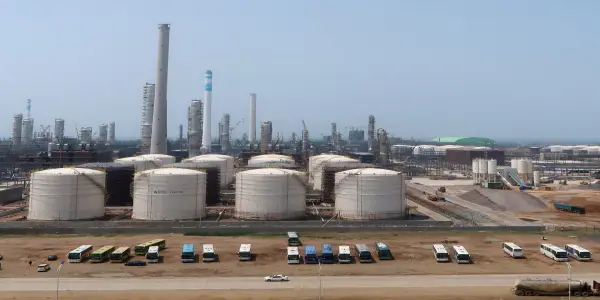
China's Ministry of Commerce defends five refiners against US sanctions, asserting violations of international law and sovereignty.
In-depth analysis
Background context
China's response to U.S. sanctions on independent 'teapot' refineries marks a significant moment in international trade relations. The sanctions, aimed at limiting Chinese access to Iranian oil, have been framed by China as violations of international law. This situation highlights ongoing tensions surrounding energy security and the geopolitical dynamics between the two nations.
Key political implications
The sanctions may deepen the rift between the U.S. and China, complicating diplomatic efforts. China's refusal to comply signals a potential escalation in economic confrontations, which could impact broader international relations.
Who gains / who loses
Independent refineries in China may gain operational leverage as they seek alternative markets to navigate sanctions. Conversely, the U.S. risks losing influence over global oil supply chains, while Iran could benefit from increased Chinese demand for its crude.
Possible future scenarios
Future developments could see China strengthening its ties with Iran, undermining U.S. sanctions. Alternatively, increased pressure from the U.S. might prompt China to seek more collaboration with other nations to mitigate the impact of these sanctions.
Did you know?
Why you should know this
These sanctions could affect global oil prices and the availability of fuel, impacting consumers directly. If these 'teapot' refineries in China can continue importing oil from Iran, it might stabilize or lower prices at the pump. Understanding these geopolitical tensions helps explain fluctuations in energy costs, which influence everyday spending and economic stability.
Behind the political curtain
Interestingly, despite the U.S. sanctions, independent refineries in China have managed to increase their crude imports from Iran by nearly 30% over the past year, showcasing their resilience and adaptability in navigating international trade restrictions.
Ordinary person in an extraordinary situation
Meet Lin, a small-business owner in Beijing who relies on affordable fuel to keep her delivery service running. With fuel prices fluctuating due to international sanctions and trade disputes, Lin finds herself constantly adjusting her budget. The sanctions against 'teapot' refineries could mean the difference between competitive pricing and financial strain for her business. Lin expresses frustration, stating that while she understands the geopolitical complexities, it's her livelihood that feels the impact. She hopes for a resolution that allows her to access stable fuel prices, allowing her to focus on growing her business instead of worrying about fluctuating costs.
Expert Commentary
Cuban Authorities Engage in Deadly Clash with...
Limited Expectations as Trump and Xi Approach...
Contradictory Signals from Trump and Rubio on...

Baden Bower Reduces Pitch-to-Publish Timeline by...

Exploring Intimacy and Isolation in Claire-Louise...

New Yorkers Kick Off Early Voting for Mayoral...

European Automakers Face New Chip Shortage as...

The Rise of Technocracy in Modern Governance

Jetpack Navigation 3 Achieves Stability for...

Mark Carney Discusses Political Transition During...

WWE Raw Recap: Titles Change Hands in Thrilling...
Examining Trump's Claims of Resolving Conflicts:...
European Allies Stand Firm with Denmark Amid U.S....
Canada's Carney to Meet Xi in China, Signaling a...

NASA Unveils Stunning Images of Interstellar...

Mamdani Emerges Victorious in NYC Mayoral Race...

Denmark's Prime Minister Advocates for Stricter...

EA Raises Concerns Over Sale to Saudi Arabia's...

Hungarian Prime Minister Viktor Orban Engages...
Egypt Affirms Commercial Nature of Gas Agreement...
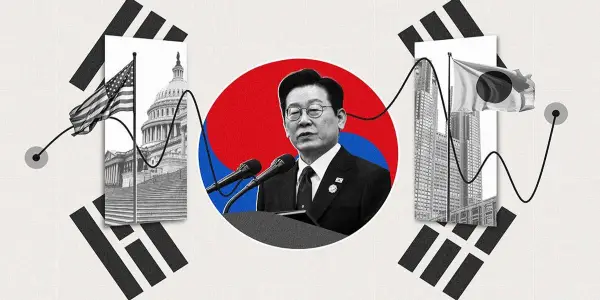
South Korea Rebuilds Trust and Reassesses Foreign...

Saudi Crown Prince Mohammed bin Salman Set for...

Colombia's ELN Rebels Intensify Military Drills...
Switzerland Faces Economic Challenges Amid U.S....
U.S. Embassies Redefine Human Rights:...
Democrats Celebrate Recent Wins Amidst Internal...

Japan and Finland in Diplomatic Tension Following...
Jim Avila, Esteemed ABC News Correspondent, Dies...

Bangladesh's International Crimes Tribunal...
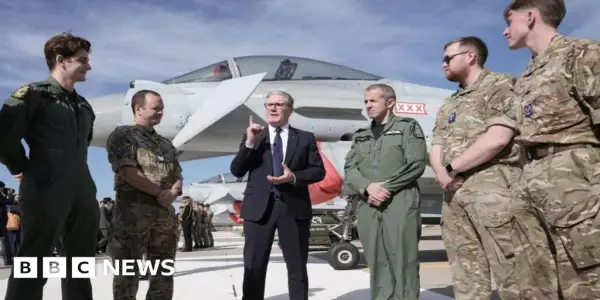
UK Finalizes £8 Billion Typhoon Fighter Jet...
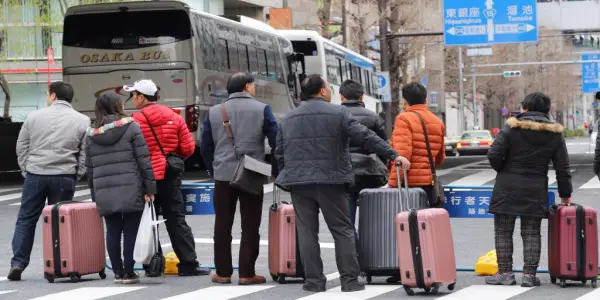
Japan Protests China's Travel Advisory Amid...

Reddit Enhances App Performance with R8...
South Africa's G20 Presidency: A Mixed Legacy of...

Iraq's Parliamentary Elections: Key Insights...

Canada Decides Against Public Disclosure of Nazi...

Apple Achieves Unprecedented Financial Success in...
Syria's Foreign Minister Visits China to...

The Fate of the Maquis in Star Trek: A Missed...
Trump Addresses Nuclear Testing, Government...

Mamdani's Victory: A Turning Point for the...