South Korea Rebuilds Trust and Reassesses Foreign Relations
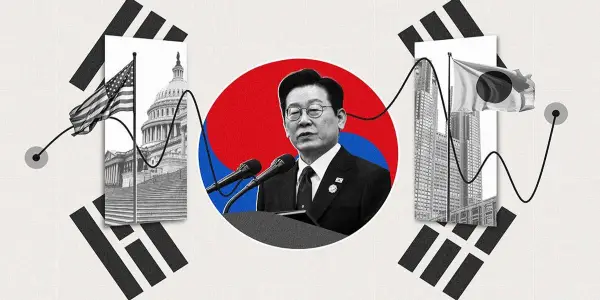
South Korea sees a surge in public trust as approval ratings for leadership rise to Japan's levels, marking a pivotal shift in foreign relations and politica...
In-depth analysis
Background context
Recent Gallup findings indicate a resurgence in public confidence in South Korean institutions, following a tumultuous political period marked by President Yoon Suk-yeol's administration. Approval ratings for the leadership now rival those of Japan, reflecting a significant recovery from earlier declines and highlighting evolving domestic and international perceptions of governance in South Korea.
Key political implications
The rise in institutional trust may bolster President Lee Jae-myung's position, yet the stark polarization along party lines presents ongoing challenges for effective governance and national unity.
Who gains / who loses
Supporters of the People Power Party may benefit from increased confidence in military and judicial institutions, while Democrats face skepticism regarding governance and corruption. This divide could hinder collaborative efforts to address national issues.
Possible future scenarios
As diplomatic relations with Japan improve, South Korea may experience strengthened economic ties. However, persistent corruption perceptions could undermine public trust, complicating efforts to maintain political stability and unity.
Did you know?
Why you should know this
The rise in public confidence in South Korean institutions signals a pivotal shift for everyday citizens, impacting everything from economic stability to international relations. As trust in leadership grows, businesses may see increased investment, and citizens could experience a more responsive government. This may also affect personal interactions, as improved diplomatic ties with Japan could lead to more collaborative opportunities in trade and travel.
Behind the political curtain
A surprising aspect of South Korea's political landscape is that President Yoon Suk-yeol's administration faced its first major crisis just six months after taking office, leading to his declaration of martial law. This drastic measure, not utilized since the military dictatorship, reveals the intense pressures leaders face in navigating public discontent and political opposition.
Ordinary person in an extraordinary situation
Meet Jisoo, a 34-year-old small business owner in Busan. She felt the brunt of political instability when protests against President Yoon's leadership disrupted her daily operations. After months of uncertainty, she now finds herself cautiously optimistic as approval ratings rise. Jisoo has seen a slight uptick in customer traffic, as a stable government often translates to increased consumer confidence. Yet, she remains wary of corruption's lingering shadow, understanding that trust must be earned. Jisoo hopes for a unified approach from the new leadership, believing that collaboration could pave the way for better economic conditions and international relationships, ultimately benefiting her family and community.
Democrats Celebrate Recent Wins Amidst Internal...
US Tariffs Impact Nuevo Leon's Steel Sector,...
Jared Isaacman Renominated as NASA Administrator...
The Impact of Trump's Second Year: A Year of...
Italy's Meloni Engages with Qatar Emir on Energy...
Zohran Mamdani Secures Victory in New York City...
Japan Reacts Strongly to China's Travel Advisory...
U.S. Authorities Detain British Journalist Linked...

Spain's Attorney General Convicted in...
Saudi Crown Prince's Invitation to the White...
NFL Players Union Faces Grievance Over Annual...

European Automakers Face New Chip Shortage as...
AfD Leader Raises Concerns Over Potential Threats...
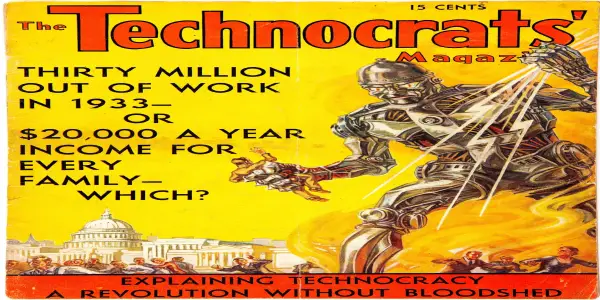
The Rise of Technocracy in Modern Governance
Japan and Finland in Diplomatic Tension Following...

Canada Decides Against Public Disclosure of Nazi...
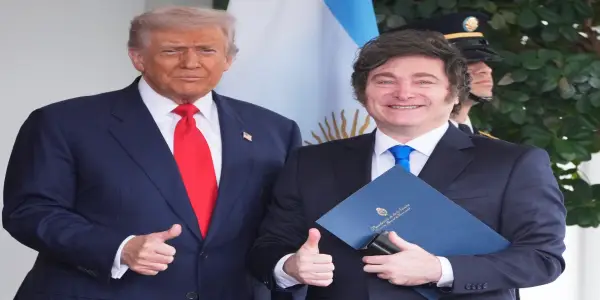
Javier Milei's Victory Signals a Shift in...

Geopolitical Tensions Surround Palau Amid...
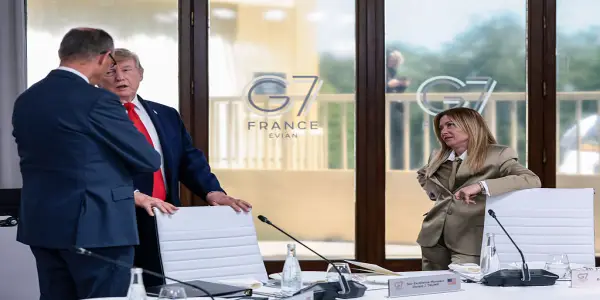
Italy's PM Meloni Responds Firmly to Trump's...

Golden Snub-Nosed Monkeys Make European Debut in...

Apple Achieves Unprecedented Financial Success in...

Iraq's Parliamentary Elections: Key Insights...

Lessons from Ulysses S. Grant on Civil-Military...
Examining Trump's Claims of Resolving Conflicts:...

Misjudgments in Military Strategy: The Lessons...
Hungarian Prime Minister Viktor Orban Engages...

Isaac Asimov's Perspective on Star Trek: A Sci-Fi...

Texas Governor Abbott Designates CAIR as a...
Inquiry Critiques Scottish Government's Covid-19...
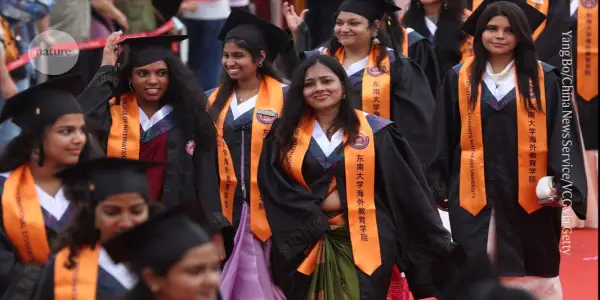
China's Shift to a Cautious Research Strategy...
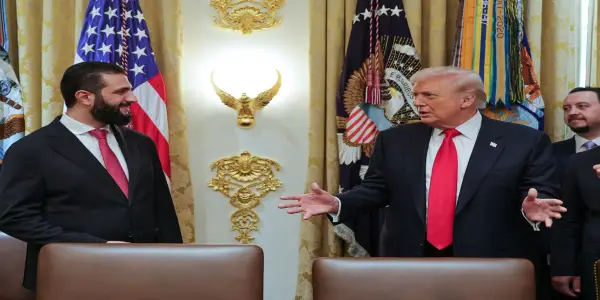
U.S. Extends Sanctions Relief as Syrian Leader...
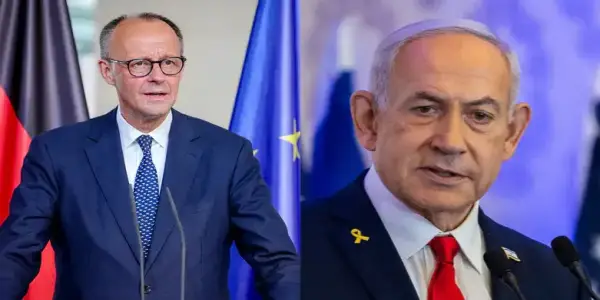
German Chancellor Merz to Visit Israel for Key...
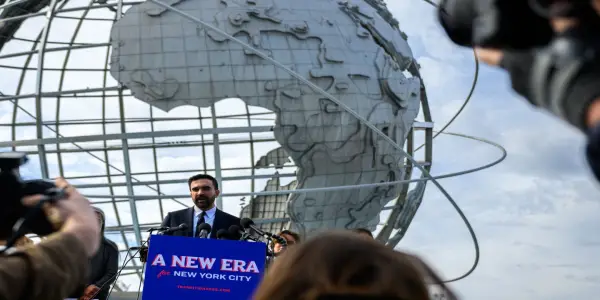
Zohran Mamdani's Vision for Global Municipal...
Algeria Grants Pardon to Jailed Novelist Boualem...
Khamenei Assassination: A Pivotal Shift in...

NASA Unveils Stunning Images of Interstellar...
Bangladesh's Upcoming Election: Key Political...

Nevada's Governor's Office Allegedly Intervened...

Comet 3I/ATLAS Continues to Mystify Scientists...