U.S. Extends Sanctions Relief as Syrian Leader Ahmed al-Sharaa Meets Trump
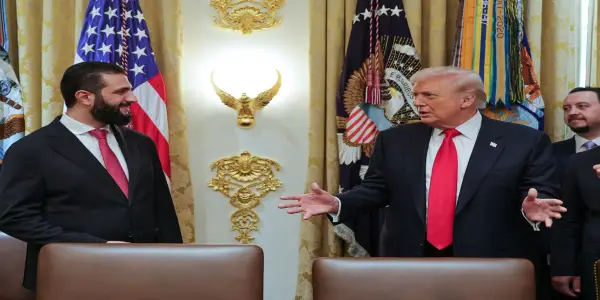
The U.S. Treasury Department has announced continued sanctions relief for Syria, as President Trump and Syrian leader Ahmed al-Sharaa discuss strengthening bilateral ties.
In-depth analysis
Background context
The recent meeting between President Donald Trump and Syrian leader Ahmed al-Sharaa marks a historic moment in U.S.-Syria relations. Al-Sharaa, a former al-Qaeda commander, is the first Syrian head of state to visit the White House since 1946. This meeting comes amid a significant shift in Syria's international standing and the U.S.'s approach to regional stability.
Key political implications
This meeting signals a potential realignment in U.S. foreign policy, prioritizing cooperation with Syria to combat terrorism and stabilize the region, which could reshape alliances and influence the broader Middle East dynamics.
Who gains / who loses
Al-Sharaa's government stands to gain international legitimacy and economic support through sanctions relief, while the U.S. may strengthen its position against Iranian influence. However, critics argue that this engagement risks undermining efforts to hold leaders accountable for past actions.
Possible future scenarios
Future developments may include a gradual lifting of sanctions contingent on Syria's cooperation in counterterrorism and regional stability. Alternatively, stalled negotiations could lead to renewed tensions, complicating the U.S.'s strategic objectives in the Middle East.
Did you know?
Why you should know this
This meeting could reshape how everyday Americans perceive geopolitical dynamics, particularly concerning the Middle East. As sanctions are eased, U.S. businesses might find new opportunities in Syria, potentially leading to job creation and economic growth back home. The outcome of these discussions may also affect global stability, impacting oil prices and international trade—all of which influence daily life.
Behind the political curtain
Surprisingly, Ahmed al-Sharaa's rise to power followed years of being a key figure in al-Qaeda's operations, showcasing a rare instance of a former extremist transitioning to a diplomatic role. This shift challenges common notions about political redemption and the complexities of leadership in war-torn regions.
Ordinary person in an extraordinary situation
Consider Samira, a Syrian refugee who fled her home in Aleppo five years ago. Now living in a small town in Ohio, she works at a local bakery while her family remains scattered across Europe and the Middle East. Samira follows U.S.-Syria relations closely, hoping for peace that might allow her to reunite with her loved ones. The recent meeting between Trump and al-Sharaa stirs both hope and skepticism in her. She understands the complexities of political negotiations but longs for tangible outcomes that could ease her family’s suffering. For Samira, these high-level discussions aren't abstract; they represent a fragile thread of possibility for her future and that of countless others affected by conflict.
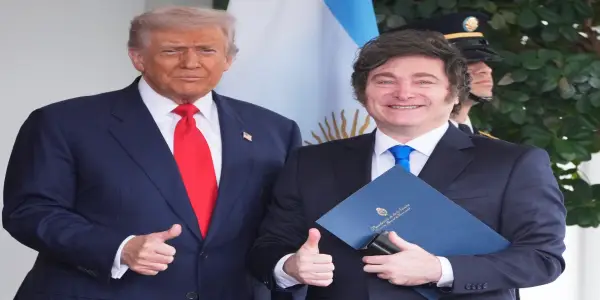
Javier Milei's Victory Signals a Shift in...
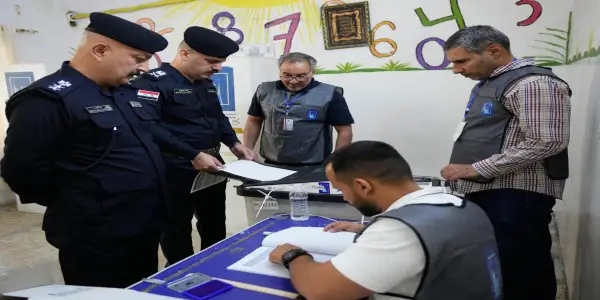
Iraq's Parliamentary Elections: Key Insights...

US-South Korea Agreement to Develop...
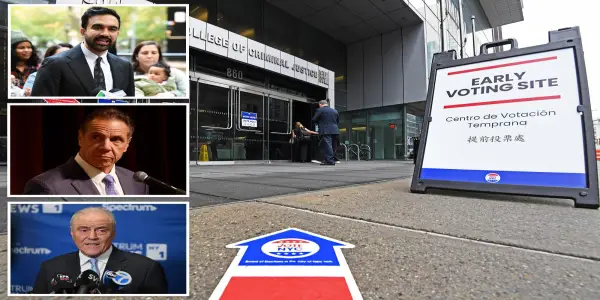
New Yorkers Kick Off Early Voting for Mayoral...
Bangladesh's International Crimes Tribunal...

Apple Achieves Unprecedented Financial Success in...

Bhutan's Complex Relationship with India: A...

Ireland Moves Forward with Bill Targeting Israeli...

The Fate of the Maquis in Star Trek: A Missed...
Bangladesh Seeks India's Assistance in...
South Korea Rebuilds Trust and Reassesses Foreign...
Tarique Rahman's Homecoming: A Potential Turning...
New England Senators Play Crucial Role in...

Misjudgments in Military Strategy: The Lessons...
Canada's Carney to Meet Xi in China, Signaling a...
Is the U.S. Reassessing Its Stance on Israel...

Spain's Attorney General Convicted in...
Mamdani Emerges Victorious in NYC Mayoral Race...
Algeria Grants Pardon to Jailed Novelist Boualem...
Examining Trump's Claims of Resolving Conflicts:...
Russian and Indian Foreign Ministers Convene...
Nevada's Governor's Office Allegedly Intervened...
The 1969 Sino-Soviet Border Conflict: A Near Miss...
Japan Protests China's Travel Advisory Amid...
Jared Isaacman Renominated as NASA Administrator...
Inquiry Critiques Scottish Government's Covid-19...
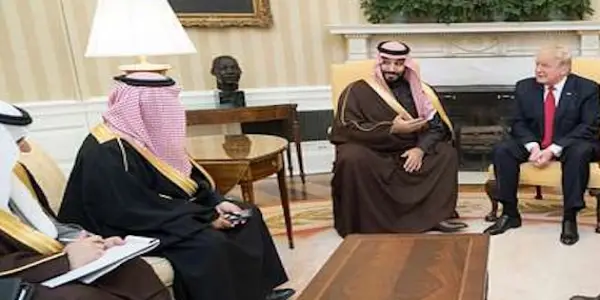
The Role of Palestinian Statehood in Advancing...

Isaac Asimov's Perspective on Star Trek: A Sci-Fi...

Cuban Authorities Engage in Deadly Clash with...
Contradictory Signals from Trump and Rubio on...
U.S. Authorities Detain British Journalist Linked...

EA Raises Concerns Over Sale to Saudi Arabia's...

The Evolving Landscape of Copyright Enforcement...
Switzerland Faces Economic Challenges Amid U.S....
Kenya Urges Protection for Citizens Amid...
Canada Decides Against Public Disclosure of Nazi...

WWE Raw Recap: Titles Change Hands in Thrilling...
Denmark's Prime Minister Advocates for Stricter...
Texas Governor Abbott Designates CAIR as a...