Bulgaria Prepares for Snap Parliamentary Elections Amid Political Turmoil
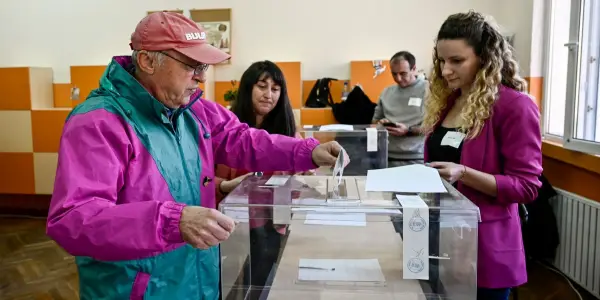
Bulgaria's upcoming snap elections follow years of political instability, with key political figures vying for leadership in a fractured landscape.
In-depth analysis
Background context
Bulgaria's upcoming snap parliamentary election on April 2 marks a significant moment in a nation grappling with political turmoil. Following the resignation of Prime Minister Rosen Zhelyazkov's government amid widespread protests against corruption, this election represents the eighth in five years, highlighting persistent societal divisions and challenges in forming stable coalitions.
Key political implications
The election's outcome could reshape Bulgaria's foreign policy, particularly its alignment with the EU and Russia, depending on whether Radev or another candidate secures victory.
Who gains / who loses
A win for Radev may benefit those seeking a shift in governance and foreign policy, particularly among voters frustrated by corruption. Conversely, traditional parties like GERB-UDF could face significant setbacks, potentially losing influence in a rapidly changing political landscape.
Possible future scenarios
If Radev wins, Bulgaria may see a foreign policy shift, balancing between EU commitments and Russian relations. Alternatively, a different outcome could lead to a coalition that prioritizes EU integration and economic reform.
Did you know?
Why you should know this
Bulgaria’s upcoming snap election on April 2 is pivotal not just for its political landscape but also for everyday Bulgarians. With economic stability and anti-corruption efforts on the line, the outcome could affect public services, job security, and access to EU funds. For families struggling with rising costs, the elected leaders will directly influence their quality of life and future opportunities.
Behind the political curtain
In a surprising twist, former President Rumen Radev's close ties to Russia have not deterred his approval ratings, which remain high despite Bulgaria's traditional pro-EU stance. This illustrates the complex dynamics of Bulgarian politics, where public sentiment often defies expected ideological alignments.
Ordinary person in an extraordinary situation
Meet Elena, a 34-year-old teacher from Plovdiv, who has participated in every election since 2019. Frustrated by the constant political upheaval, she feels her voice is drowned out in a cacophony of promises and scandals. With her family's financial stability hanging in the balance, Elena’s hopes for a better future rest on the election outcome. She worries that her students won't have the educational resources they need if corruption continues to plague government funding. Elena represents countless Bulgarians who are not just voting for parties but for a chance to reclaim trust in a system that has repeatedly let them down. Her story exemplifies the deep emotional stakes tied to this election, where every ballot reflects a yearning for genuine change.
Expert Commentary
Bulgaria's upcoming snap election underscores a profound political crisis that has left the nation grappling with instability and public discontent. With widespread protests highlighting corruption and governance failures, the electorate faces a critical choice between candidates representing divergent visions for the country's future. A potential victory for Rumen Radev could signal a recalibration of Bulgaria's foreign policy, particularly in its relationship with the EU and Russia. However, the pressing need for political stability remains paramount. Addressing economic concerns and effectively utilizing EU funds will be crucial for any new government, as citizens seek tangible solutions rather than mere political rhetoric.

Nevada's Governor's Office Allegedly Intervened...
Mark Carney Discusses Political Transition During...

Baden Bower Reduces Pitch-to-Publish Timeline by...
Israel Seeks Diplomatic Renewal with Bolivia...
Syria's Foreign Minister Visits China to...
Exiled Russian Orthodox Leader Responds to Spying...
Kenya Urges Protection for Citizens Amid...
New Yorkers Kick Off Early Voting for Mayoral...

Comet 3I/ATLAS Continues to Mystify Scientists...
Revitalizing Relations: The Future of the...
Sanae Takaichi: Japan's First Female Prime...
Jared Isaacman Renominated as NASA Administrator...

Reddit Enhances App Performance with R8...


Jetpack Navigation 3 Achieves Stability for...
Inquiry Critiques Scottish Government's Covid-19...
Algeria Grants Pardon to Jailed Novelist Boualem...
Examining Trump's Claims of Resolving Conflicts:...

U.S. Authorities Detain British Journalist Linked...
Javier Milei's Victory Signals a Shift in...
Italy's PM Meloni Responds Firmly to Trump's...
China's Shift to a Cautious Research Strategy...
Limited Expectations as Trump and Xi Approach...
Analyzing Trump's Latin America Strategy Amid...
US Tariffs Impact Nuevo Leon's Steel Sector,...
The Impact of Trump's Second Year: A Year of...
Peru Sever Diplomatic Relations with Mexico Amid...
Canada Decides Against Public Disclosure of Nazi...

Spain's Attorney General Convicted in...
Iraq's Parliamentary Elections: Key Insights...
The 1969 Sino-Soviet Border Conflict: A Near Miss...

Isaac Asimov's Perspective on Star Trek: A Sci-Fi...
Mamdani's Victory: A Turning Point for the...
Tarique Rahman's Homecoming: A Potential Turning...
Japan Protests China's Travel Advisory Amid...
Bangladesh's International Crimes Tribunal...
Canada and China Take Steps Toward Repairing...
Hungarian Prime Minister Viktor Orban Engages...
U.S. Extends Sanctions Relief as Syrian Leader...
Saudi Crown Prince's Invitation to the White...