Inquiry Critiques Scottish Government's Covid-19 Response as 'Too Little, Too Late'
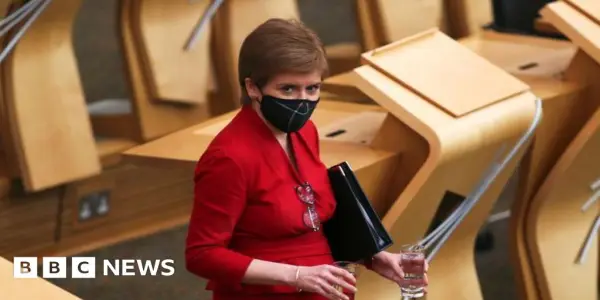
An inquiry reveals the Scottish Government's Covid-19 response was delayed and inadequate, leading to unnecessary loss of life and raising questions about de...
In-depth analysis
Background context
The inquiry into Scotland's Covid-19 response highlights significant shortcomings in the government's actions, revealing delays and a lack of decisive leadership. Led by Baroness Hallett, the investigation scrutinizes the centralized decision-making process, particularly under Nicola Sturgeon, and underscores the challenges faced by devolved administrations in coordinating with Westminster during the pandemic.
Key political implications
The findings of the inquiry could reshape political dynamics in Scotland, intensifying scrutiny on the current administration and prompting calls for greater accountability among leaders. This may influence public trust and voter sentiment ahead of future elections.
Who gains / who loses
Opposition parties, particularly the Conservatives and Labour, may gain political capital by leveraging the inquiry’s findings to criticize the Scottish government’s handling of the pandemic. Conversely, the ruling party risks losing credibility and public support due to perceived failures in transparency and accountability.
Possible future scenarios
In light of the inquiry, the Scottish government may implement reforms aimed at improving decision-making transparency and collaboration with other administrations. Alternatively, continued political discord could hinder effective responses to future health crises, impacting public confidence.
Did you know?
Why you should know this
The inquiry into Scotland's Covid-19 response highlights critical lessons about governance during crises that affect daily life. Delayed decisions can have dire consequences, as seen with school closures and lockdown measures. Understanding these findings emphasizes the need for timely, transparent decision-making in future public health emergencies, directly impacting how communities prepare for and respond to similar challenges.
Behind the political curtain
A little-known fact from the inquiry reveals that a significant number of key decisions during the pandemic were made without formal documentation. This lack of record-keeping has raised serious questions about accountability within the Scottish government, as critical discussions and decisions went untracked.
Ordinary person in an extraordinary situation
Consider Emma, a single mother of two from Edinburgh, who faced the chaos of sudden school closures during the pandemic. With little notice, she had to balance remote learning and her job, often relying on inadequate resources. Emma's experience reflects the real human toll of delayed government decisions, as her children struggled with the abrupt changes. The inquiry’s findings resonate with her frustrations, highlighting the need for more inclusive and transparent governance. For families like Emma's, the lessons learned could ensure that their voices are considered in future planning, potentially preventing similar challenges in future crises.
Is the U.S. Reassessing Its Stance on Israel...
Japan Protests China's Travel Advisory Amid...
Canada Decides Against Public Disclosure of Nazi...
US Tariffs Impact Nuevo Leon's Steel Sector,...

Geopolitical Tensions Surround Palau Amid...

US-South Korea Agreement to Develop...
Iraq's Parliamentary Elections: Key Insights...

Italy's Meloni Engages with Qatar Emir on Energy...
Contradictory Signals from Trump and Rubio on...

Golden Snub-Nosed Monkeys Make European Debut in...

Democrats Celebrate Recent Wins Amidst Internal...

Political Reactions to BBC Leadership Changes...
Canada's Carney to Meet Xi in China, Signaling a...
Syria's Foreign Minister Visits China to...
Colombia's ELN Rebels Intensify Military Drills...

UK Finalizes £8 Billion Typhoon Fighter Jet...

EA Raises Concerns Over Sale to Saudi Arabia's...

NASA Unveils Stunning Images of Interstellar...
Revitalizing Relations: The Future of the...
Kenya Urges Protection for Citizens Amid...
The Role of Palestinian Statehood in Advancing...
Examining Trump's Claims of Resolving Conflicts:...

Misjudgments in Military Strategy: The Lessons...
South Korea Initiates First Military Talks with...
Tarique Rahman's Homecoming: A Potential Turning...
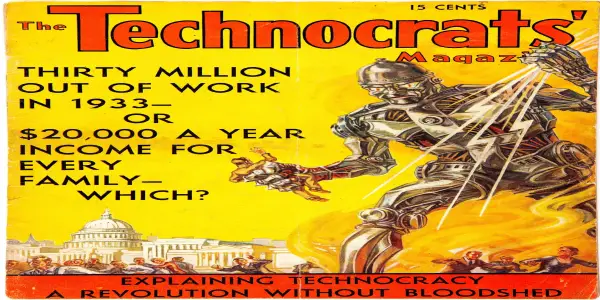
The Rise of Technocracy in Modern Governance
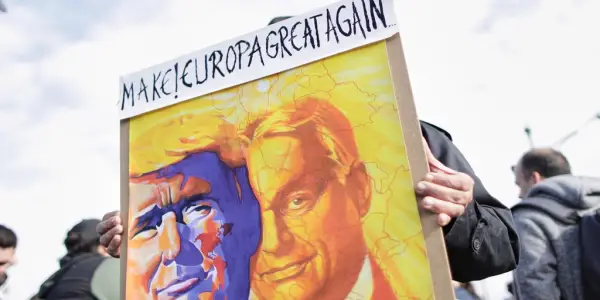
Hungarian Prime Minister Viktor Orban Engages...

Nevada's Governor's Office Allegedly Intervened...
Cuban Authorities Engage in Deadly Clash with...

Peru Sever Diplomatic Relations with Mexico Amid...
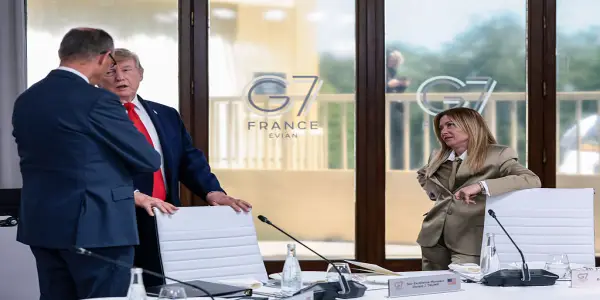
Italy's PM Meloni Responds Firmly to Trump's...
Jim Avila, Esteemed ABC News Correspondent, Dies...

Ireland Moves Forward with Bill Targeting Israeli...

Mamdani Emerges Victorious in NYC Mayoral Race...
Czech President Appoints Billionaire Former Prime...
German Chancellor Merz to Visit Israel for Key...

Bangladesh Seeks India's Assistance in...

Key Insights from Trump's National Security...

Spain's Attorney General Convicted in...

Challenges Faced by Costumes in 'Mighty Morphin...