Positive Developments in Higher Education: A Renewed Focus on Humanistic Learning

Universities are fostering meaningful education, emphasizing character development and civic engagement amidst a shifting academic landscape.
In-depth analysis
Background context
The resurgence of humanistic education in U.S. universities reflects a response to societal challenges, particularly political polarization and declining civic virtues. This movement, rooted in historical crises, aims to cultivate informed citizens through a curriculum that emphasizes moral and ethical development, alongside academic achievement.
Key political implications
The emphasis on civic engagement within higher education could foster a generation more equipped to navigate political polarization, potentially leading to increased civic participation and a more engaged electorate.
Who gains / who loses
Students who embrace this humanistic approach may benefit from a richer educational experience that prioritizes ethical leadership. Conversely, those focused solely on vocational training might find themselves at a disadvantage in a society that increasingly values civic responsibility.
Possible future scenarios
As universities continue to prioritize character and civic engagement, a potential shift in public perception could occur, leading to greater appreciation for education that balances personal growth with professional readiness.
Did you know?
Why you should know this
The revival of humanistic education in U.S. universities is reshaping how students perceive their roles in society. As political polarization and civic disengagement rise, universities are pivoting to cultivate ethical leaders. This shift not only impacts future job markets but also aims to create more thoughtful citizens, encouraging students to prioritize community involvement alongside career aspirations.
Behind the political curtain
Surprisingly, the concept of humanistic education isn’t new; it gained momentum after World War II when educators recognized the need for a curriculum that fostered moral reasoning and civic responsibility. This historical context underlines how education has often been a response to societal crises.
Ordinary person in an extraordinary situation
Consider Maya Thompson, a sophomore at Purdue University, who initially enrolled to secure a lucrative job in tech. After participating in a program focused on classic philosophical texts, she discovered a passion for ethics in technology. This revelation shifted her focus from profit to purpose. Maya now leads discussions on the ethical implications of AI at her university, illustrating how a humanistic approach can transform individual trajectories and empower students to engage deeply with the complexities of their fields.
Expert Commentary

Golden Snub-Nosed Monkeys Make European Debut in...

Ireland Moves Forward with Bill Targeting Israeli...

Khamenei Assassination: A Pivotal Shift in...

Saudi Crown Prince Mohammed bin Salman Set for...

NFL Players Union Faces Grievance Over Annual...

U.S. Lawmakers Express Concerns Over Trump...

Geopolitical Tensions Surround Palau Amid...

New Advocacy Report Urges Action Against Child...
Zohran Mamdani Secures Victory in New York City...

Bangladesh Seeks India's Assistance in...

The Evolving Landscape of Copyright Enforcement...
Texas Governor Abbott Designates CAIR as a...
Russian and Indian Foreign Ministers Convene...

Denmark's Prime Minister Advocates for Stricter...

The Impact of Trump's Second Year: A Year of...

Italy's Meloni Engages with Qatar Emir on Energy...

South Korea Rebuilds Trust and Reassesses Foreign...
Japan Reacts Strongly to China's Travel Advisory...

Canada Decides Against Public Disclosure of Nazi...

Lessons from Ulysses S. Grant on Civil-Military...

The Role of Palestinian Statehood in Advancing...

NASA Unveils Stunning Images of Interstellar...

Challenges Faced by Costumes in 'Mighty Morphin...

Hungarian Prime Minister Viktor Orban Engages...

The Legacy of French Colonialism: Language and...

German Chancellor Merz to Visit Israel for Key...

Syria's Foreign Minister Visits China to...

Revitalizing Relations: The Future of the...

China's Shift to a Cautious Research Strategy...

US Tariffs Impact Nuevo Leon's Steel Sector,...

Mark Carney Discusses Political Transition During...

Colombia's ELN Rebels Intensify Military Drills...

Contradictory Signals from Trump and Rubio on...

Nevada's Governor's Office Allegedly Intervened...

European Allies Stand Firm with Denmark Amid U.S....
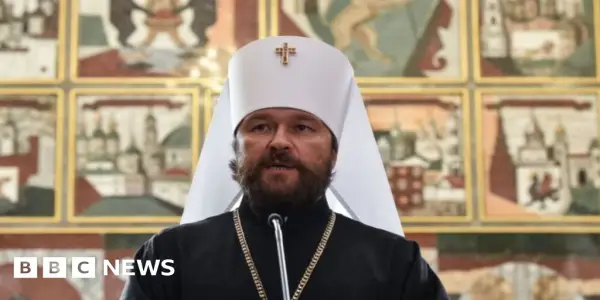
Exiled Russian Orthodox Leader Responds to Spying...
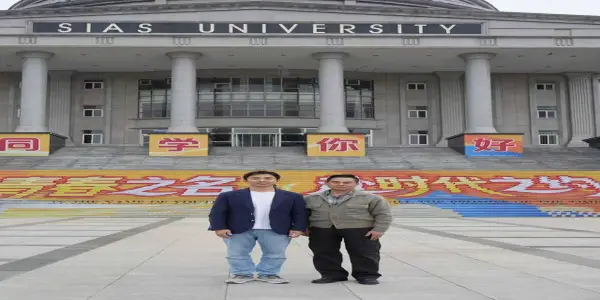
Sias University Adapts to Modern Educational...

Baden Bower Reduces Pitch-to-Publish Timeline by...

Mamdani's Victory: A Turning Point for the...

Comet 3I/ATLAS Continues to Mystify Scientists...