Japan Reacts Strongly to China's Travel Advisory Amid Rising Tensions
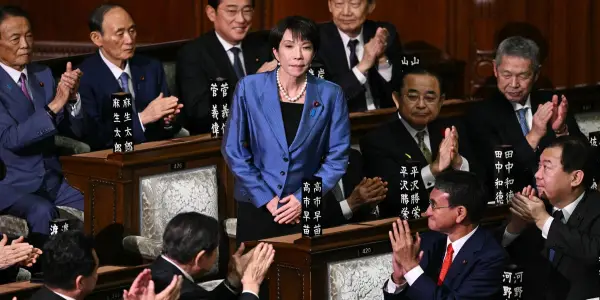
Tensions between Japan and China rise as China advises against travel to Japan, prompting a formal protest from Japan's government amid diplomatic rifts over...
In-depth analysis
Background context
The recent advisory from China urging its citizens to avoid travel to Japan marks a significant escalation in the already strained relations between the two countries. This advisory follows comments made by Japan's new Prime Minister, Sanae Takaichi, regarding Taiwan, which have heightened diplomatic tensions and triggered formal protests from Japan.
Key political implications
The travel advisory reflects deepening diplomatic rifts and highlights Japan's shift towards a more assertive military stance, which may provoke further retaliatory measures from China.
Who gains / who loses
China's travel advisory may bolster its domestic narrative of protecting citizens abroad, while Japan risks economic losses due to decreased tourism. The advisory could also strain Japan’s relations with other nations observing the situation.
Possible future scenarios
If tensions continue to escalate, Japan may reinforce its military posture, prompting a cycle of retaliation from China. Conversely, diplomatic negotiations could emerge as both nations seek to stabilize their economic and political ties.
Did you know?
Why you should know this
The travel advisory from China signals growing tensions that could impact everyday decisions for many. Chinese tourists contribute significantly to Japan’s economy, accounting for billions in revenue. If travel declines, local businesses reliant on this income, from hospitality to retail, could face serious challenges, affecting jobs and livelihoods in the region.
Behind the political curtain
A lesser-known fact is that in 2019, over 9 million Chinese tourists visited Japan, making it one of the country's largest sources of international visitors. This travel boom has been crucial for both nations, yet it remains vulnerable to geopolitical shifts like the current tensions over Taiwan.
Ordinary person in an extraordinary situation
Consider Mei Chen, a small business owner in Kyoto who runs a popular tea shop. For years, Mei has relied on Chinese tourists, who make up nearly 60% of her clientele. With the recent travel advisory, she faces the unsettling reality of dwindling customers. Mei has always embraced cultural exchange, hosting tea ceremonies that connect visitors with Japan's rich heritage. Now, she worries about paying her staff and keeping her doors open. The emotional toll is palpable; for Mei, this isn’t just business—it’s about her community and the bonds she’s built. The travel advisory is a stark reminder of how swiftly geopolitical tensions can disrupt everyday lives.

New Advocacy Report Urges Action Against Child...
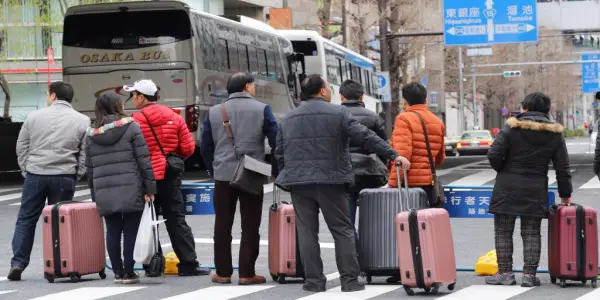
Japan Protests China's Travel Advisory Amid...
Russian and Indian Foreign Ministers Convene...

Khamenei Assassination: A Pivotal Shift in...

The Role of Palestinian Statehood in Advancing...
Limited Expectations as Trump and Xi Approach...

UK Finalizes £8 Billion Typhoon Fighter Jet...

Miss Universe Cayman Islands Advocates for Global...

U.S. Embassies Redefine Human Rights:...

China's Shift to a Cautious Research Strategy...

EA Raises Concerns Over Sale to Saudi Arabia's...

Kenya Urges Protection for Citizens Amid...

Zohran Mamdani's Vision for Global Municipal...

Canada Decides Against Public Disclosure of Nazi...

The Foundation of Friendship: Understanding...

European Automakers Face New Chip Shortage as...
Cuban Authorities Engage in Deadly Clash with...

Trump Addresses Nuclear Testing, Government...

Baden Bower Reduces Pitch-to-Publish Timeline by...

Mamdani's Victory: A Turning Point for the...

US-South Korea Agreement to Develop...

Exiled Russian Orthodox Leader Responds to Spying...

Saudi Crown Prince's Invitation to the White...

Zohran Mamdani Secures Victory in New York City...

Golden Snub-Nosed Monkeys Make European Debut in...

Saudi Crown Prince Mohammed bin Salman Set for...

The Impact of Trump's Second Year: A Year of...
Six Finalists Announced for the 2026...

Contradictory Signals from Trump and Rubio on...

Trump Appoints Special Envoy to Greenland,...
Japan Reacts Strongly to China's Travel Advisory...

Inquiry Critiques Scottish Government's Covid-19...

Isaac Asimov's Perspective on Star Trek: A Sci-Fi...
Sanae Takaichi Poised to Become Japan's First...

U.S. Lawmakers Express Concerns Over Trump...

Mark Carney Discusses Political Transition During...

Hungarian Prime Minister Viktor Orban Engages...

Political Reactions to BBC Leadership Changes...

NFL Players Union Faces Grievance Over Annual...

Jetpack Navigation 3 Achieves Stability for...