China's Shift to a Cautious Research Strategy Raises Concerns Over Scientific Leadership
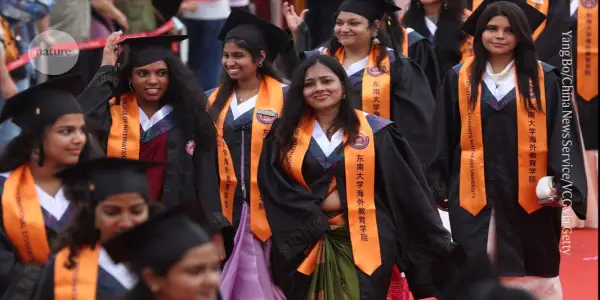
As China adopts a more risk-averse approach to research, the implications for its scientific ambitions are becoming evident among students and researchers.
In-depth analysis
Background context
China's research landscape is undergoing a fundamental transformation, shifting from an emphasis on rapid growth to a focus on quality. This change is evident in academic institutions where the government’s Double First-Class initiative aims to enhance the caliber of research output, prioritizing originality and impact over sheer volume.
Key political implications
The shift towards quality in research reflects broader political strategies, emphasizing national prestige and global competitiveness. This approach may alter international collaborations, particularly with Western institutions, as China seeks to redefine its academic partnerships.
Who gains / who loses
Elite universities in China stand to benefit from increased funding and support, fostering a culture of high-quality research. Conversely, lesser-known institutions may struggle to adapt, facing ongoing challenges that hinder their growth and competitiveness in the global academic arena.
Possible future scenarios
If current trends continue, China may solidify its position as a leader in high-quality research, potentially reshaping global academic networks. However, persistent disparities among institutions could lead to a fragmented research environment, limiting opportunities for broader collaboration.
Did you know?
Why you should know this
Understanding China's research transition is crucial as it impacts global scientific collaboration and the academic landscape. This shift influences where students choose to study and work, reshaping career trajectories. For researchers, particularly those in underrepresented regions, this evolution may open new avenues for collaboration or create barriers based on geopolitical assessments, affecting innovation and access to resources.
Behind the political curtain
A lesser-known aspect of China's Double First-Class initiative is that it not only elevates institutions but also reshapes academic hierarchies. Some less prestigious universities are pressured to adapt by forging regional partnerships, redirecting their research focus while contending with limited resources and recognition.
Ordinary person in an extraordinary situation
Meet Li Wei, a postgraduate student at a lesser-known research university in China. As a first-generation scholar from a rural background, Li once dreamed of collaborating with top-tier U.S. institutions. However, current geopolitical tensions have shifted focus away from these partnerships. Instead, Li finds himself working with researchers from Southeast Asia, navigating language barriers and adjusting to different academic standards. His journey reflects not only personal resilience but the broader challenges faced by many students in an evolving academic landscape. With fewer resources and support, Li's story underscores the need for universities to provide better infrastructure and mentorship, ensuring that students like him can thrive despite shifting international dynamics.

Tarique Rahman's Homecoming: A Potential Turning...

Sanae Takaichi: Japan's First Female Prime...
Jim Avila, Esteemed ABC News Correspondent, Dies...
South Africa's G20 Presidency: A Mixed Legacy of...

Jared Isaacman Renominated as NASA Administrator...

Zohran Mamdani Secures Victory in New York City...
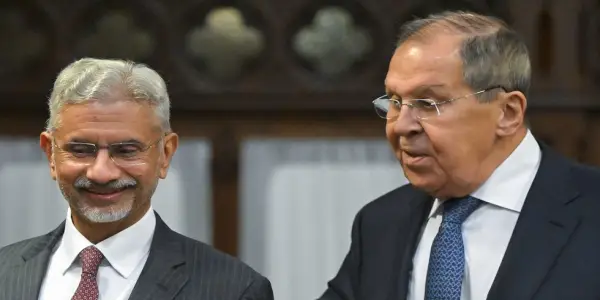
Russian and Indian Foreign Ministers Convene...

Algeria Grants Pardon to Jailed Novelist Boualem...

Cuban Authorities Engage in Deadly Clash with...
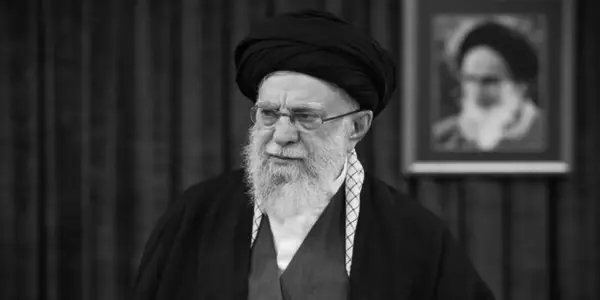
Khamenei Assassination: A Pivotal Shift in...

Cuba Rejects U.S. Security Threat Claims Amid...

U.S. Embassies Redefine Human Rights:...

European Allies Stand Firm with Denmark Amid U.S....

New England Senators Play Crucial Role in...

EA Raises Concerns Over Sale to Saudi Arabia's...
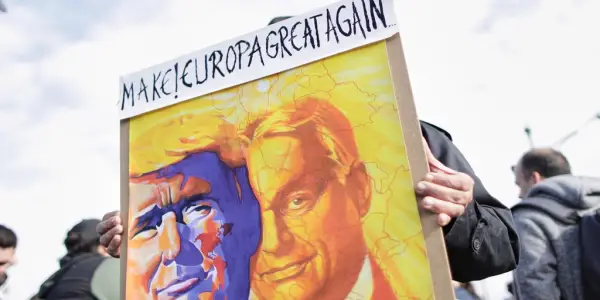
Hungarian Prime Minister Viktor Orban Engages...

Isaac Asimov's Perspective on Star Trek: A Sci-Fi...
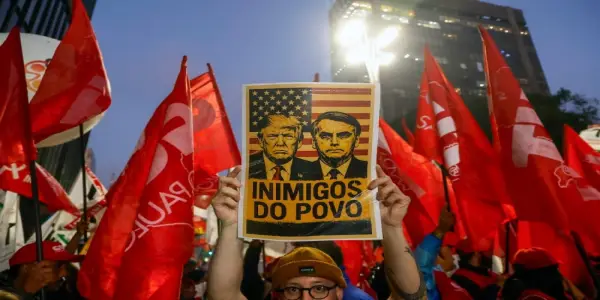
Analyzing Trump's Latin America Strategy Amid...

Exploring Intimacy and Isolation in Claire-Louise...

Spain's Attorney General Convicted in...
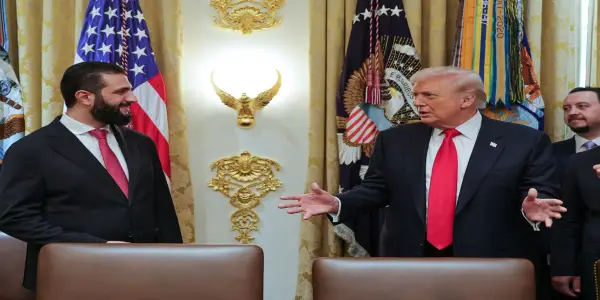
U.S. Extends Sanctions Relief as Syrian Leader...
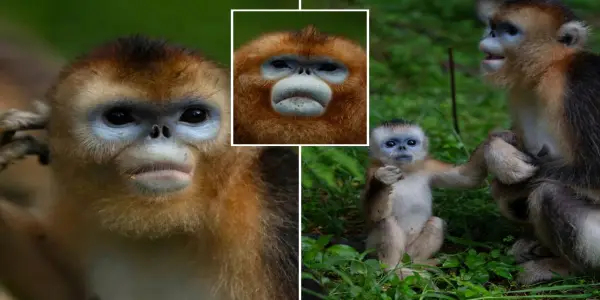
Golden Snub-Nosed Monkeys Make European Debut in...
China's Shift to a Cautious Research Strategy...

Jetpack Navigation 3 Achieves Stability for...
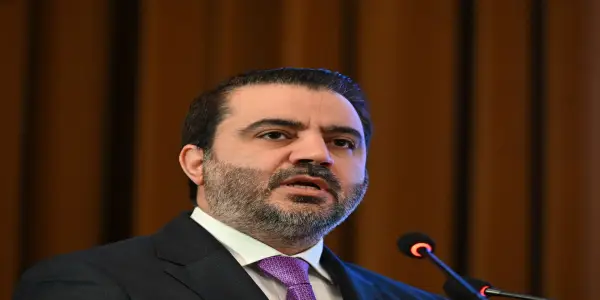
Syria's Foreign Minister Visits China to...

Apple Achieves Unprecedented Financial Success in...

Misjudgments in Military Strategy: The Lessons...
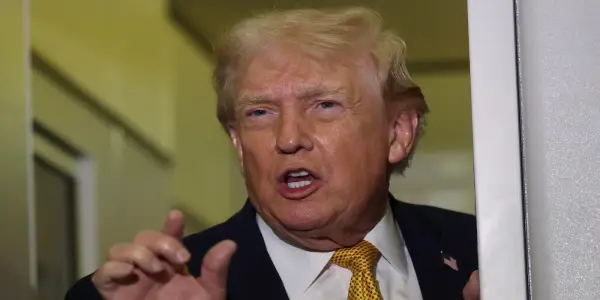
Contradictory Signals from Trump and Rubio on...

Comet 3I/ATLAS Continues to Mystify Scientists...
Trump Addresses Nuclear Testing, Government...
Saudi Crown Prince's Invitation to the White...

US Tariffs Impact Nuevo Leon's Steel Sector,...

Egypt Affirms Commercial Nature of Gas Agreement...

Saudi Crown Prince Mohammed bin Salman Set for...
South Korea Initiates First Military Talks with...

Nevada's Governor's Office Allegedly Intervened...
Indian Trade Unions Rally Against New Labour...
South Korea Rebuilds Trust and Reassesses Foreign...
Mark Carney Discusses Political Transition During...