U.S. Embassies Redefine Human Rights: Reproductive Freedom and LGBTQ+ Care Under Scrutiny
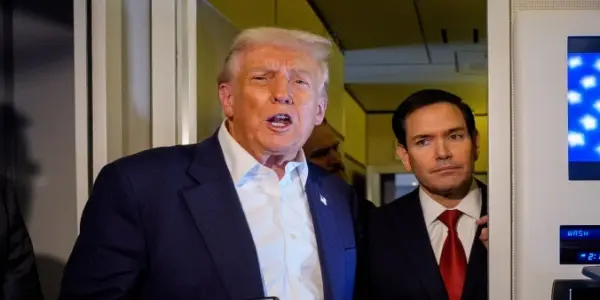
Recent directives from U.S. embassies emphasize abortion access, DEI policies, and transgender healthcare for minors as human rights concerns, stirring significant debate.
In-depth analysis
Background context
The U.S. has historically championed human rights globally, often criticizing nations for failing to uphold these standards. Recent policy changes, however, signal a departure from this tradition, particularly amid contentious domestic debates over reproductive rights and LGBTQ+ protections, raising concerns about the implications for marginalized communities worldwide.
Key political implications
This shift in policy may alter the U.S.'s diplomatic relations, affecting its credibility as a human rights advocate. It signals a potential alignment with more conservative, theocratic viewpoints that could reshape international human rights discourse.
Who gains / who loses
Marginalized groups, including women and LGBTQ+ individuals, are likely to suffer as this policy undermines their rights and protections. Conversely, conservative factions may perceive gains in advancing their ideological agenda, potentially at the expense of universal human rights principles.
Possible future scenarios
If the U.S. continues down this path, it may face increasing isolation from traditional allies who prioritize human rights. Conversely, it could embolden authoritarian regimes that seek to deflect criticism by aligning with the U.S. on these issues.
Did you know?
Why you should know this
This shift in U.S. foreign policy directly impacts the global human rights landscape. As the U.S. redefines what constitutes a violation, marginalized communities worldwide face heightened risks. For individuals fighting for reproductive rights or LGBTQ+ protections, this change signals a potential withdrawal of support from a historically powerful ally, complicating their struggles for equality and safety.
Behind the political curtain
Interestingly, the U.S. State Department's recent report was notably delayed, hinting at internal disagreements over how to frame human rights issues. This pause raises questions about the administration's commitment to traditional human rights and suggests a strategic recalibration in response to domestic pressures.
Ordinary person in an extraordinary situation
Meet Julia, a young activist in a small town who has dedicated her life to advocating for women's reproductive rights. With the recent policy changes, she feels a growing sense of isolation and urgency. Julia has worked tirelessly to organize local rallies and support networks, but now fears that her efforts might be undermined by a government that no longer champions these issues on the global stage. The emotional toll is heavy; she often worries that women in her community may lose access to essential healthcare services. Julia’s determination exemplifies the grassroots resilience needed in challenging times, yet she grapples with the reality that her fight may become even more difficult as international support wanes.

Nevada's Governor's Office Allegedly Intervened...
Denmark's Prime Minister Advocates for Stricter...
Bangladesh's International Crimes Tribunal...
Saudi Crown Prince's Invitation to the White...
U.S. Authorities Detain British Journalist Linked...
Tarique Rahman's Homecoming: A Potential Turning...

The Evolving Landscape of Copyright Enforcement...

Algeria Grants Pardon to Jailed Novelist Boualem...
Mamdani's Victory: A Turning Point for the...

The Rise of Technocracy in Modern Governance

Comet 3I/ATLAS Continues to Mystify Scientists...
New Yorkers Kick Off Early Voting for Mayoral...
Khamenei Assassination: A Pivotal Shift in...

European Automakers Face New Chip Shortage as...
Mark Carney Discusses Political Transition During...
Russian and Indian Foreign Ministers Convene...

WWE Raw Recap: Titles Change Hands in Thrilling...

New Advocacy Report Urges Action Against Child...
U.S. Embassies Redefine Human Rights:...
Sias University Adapts to Modern Educational...

Inquiry Critiques Scottish Government's Covid-19...
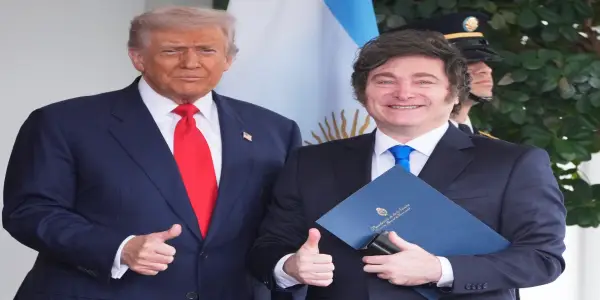
Javier Milei's Victory Signals a Shift in...
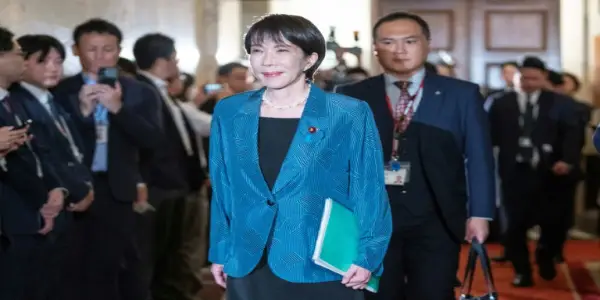
Sanae Takaichi Poised to Become Japan's First...

Geopolitical Tensions Surround Palau Amid...

UK Finalizes £8 Billion Typhoon Fighter Jet...
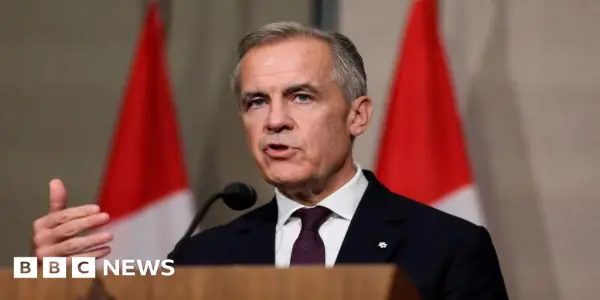
Canada's Carney to Meet Xi in China, Signaling a...

The Role of Palestinian Statehood in Advancing...
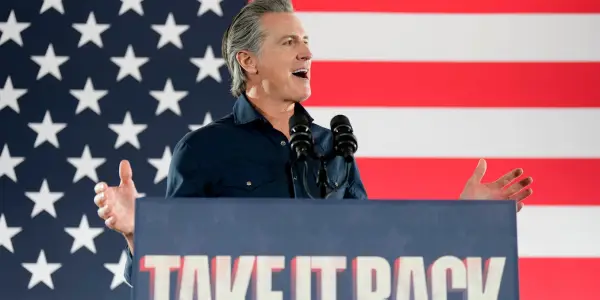
Democrats Celebrate Recent Wins Amidst Internal...

US-South Korea Agreement to Develop...
Hungarian Prime Minister Viktor Orban Engages...
Trump Appoints Special Envoy to Greenland,...

Isaac Asimov's Perspective on Star Trek: A Sci-Fi...
US Tariffs Impact Nuevo Leon's Steel Sector,...
Indian Trade Unions Rally Against New Labour...
Canada and China Take Steps Toward Repairing...
Egypt Affirms Commercial Nature of Gas Agreement...

Apple Achieves Unprecedented Financial Success in...
Jim Avila, Esteemed ABC News Correspondent, Dies...

Challenges Faced by Costumes in 'Mighty Morphin...
Bhutan's Complex Relationship with India: A...