Tensions Rise in Lebanese Politics as IRGC's Role in Hezbollah Intensifies
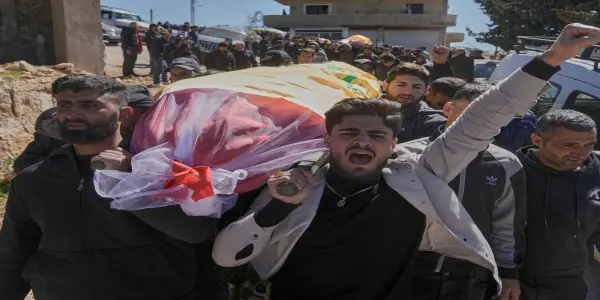
Lebanon's prime minister claims the IRGC directs Hezbollah operations, highlighting deteriorating relations amid ongoing military conflicts.
In-depth analysis
Background context
Tensions between the Lebanese government and Hezbollah have escalated, particularly following Prime Minister Nawaf Salam's remarks about the Iranian Islamic Revolutionary Guard Corps (IRGC) directing Hezbollah's military actions. This claim highlights the deepening ties between the two entities amid a humanitarian crisis that has displaced a significant portion of Lebanon's population and resulted in substantial loss of life.
Key political implications
Salam's statements could undermine the Lebanese government's authority, revealing its struggles to control Hezbollah while facing international pressure to disarm the group, complicating Lebanon's political landscape.
Who gains / who loses
The IRGC may gain increased influence over Hezbollah, allowing Iran to strengthen its foothold in Lebanon. Conversely, the Lebanese government risks losing credibility and control, further alienating itself from the population amid rising tensions and violence.
Possible future scenarios
If the current trajectory continues, Lebanon could face an escalation into broader regional conflict, jeopardizing its sovereignty. Alternatively, successful diplomatic efforts might lead to a temporary de-escalation, allowing for humanitarian relief and political negotiations.
Did you know?
Why you should know this
Understanding the influence of Iran's IRGC on Hezbollah is crucial, as it directly impacts regional stability and international relations. With over a million displaced and a humanitarian crisis deepening in Lebanon, the decisions made by these powers affect daily lives, from food security to safety in neighborhoods. Heightened conflict could lead to more refugees and strain on neighboring countries.
Behind the political curtain
A lesser-known fact is that Hezbollah was initially formed with direct support from the IRGC after the 1979 Iranian Revolution, highlighting a long-standing military and ideological partnership that continues to shape Lebanon's political landscape today.
Ordinary person in an extraordinary situation
Consider Layla, a 32-year-old teacher in southern Lebanon who has seen her community torn apart by conflict. As her students face the trauma of displacement and loss, Layla grapples with how to provide a sense of normalcy amidst chaos. The recent escalations have left her feeling helpless, yet she remains determined to support her students' emotional well-being. Layla’s story reflects the broader struggle of countless Lebanese citizens trying to maintain their lives as political and military tensions escalate around them. Her resilience is a testament to the human spirit amidst adversity, reminding us that behind every headline are real people facing extraordinary challenges.
Expert Commentary
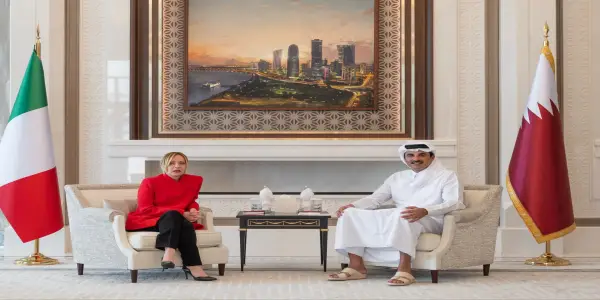
Italy's Meloni Engages with Qatar Emir on Energy...
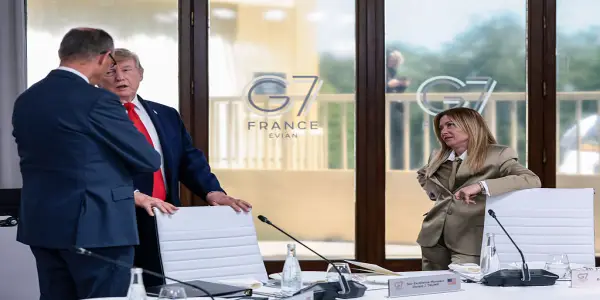
Italy's PM Meloni Responds Firmly to Trump's...

Challenges Faced by Costumes in 'Mighty Morphin...
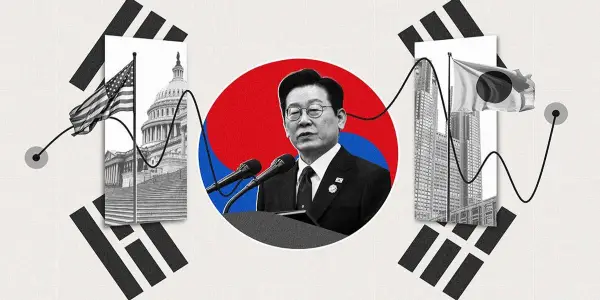
South Korea Rebuilds Trust and Reassesses Foreign...
Bhutan's Complex Relationship with India: A...
Six Finalists Announced for the 2026...
Is the U.S. Reassessing Its Stance on Israel...
Analyzing Trump's Latin America Strategy Amid...
UK Finalizes £8 Billion Typhoon Fighter Jet...
Germany Resumes Arms Exports to Israel Amid...
Javier Milei's Victory Signals a Shift in...
The 1969 Sino-Soviet Border Conflict: A Near Miss...
U.S. Lawmakers Express Concerns Over Trump...
Lessons from Ulysses S. Grant on Civil-Military...
Tarique Rahman's Homecoming: A Potential Turning...
Israel Seeks Diplomatic Renewal with Bolivia...
Peru Sever Diplomatic Relations with Mexico Amid...
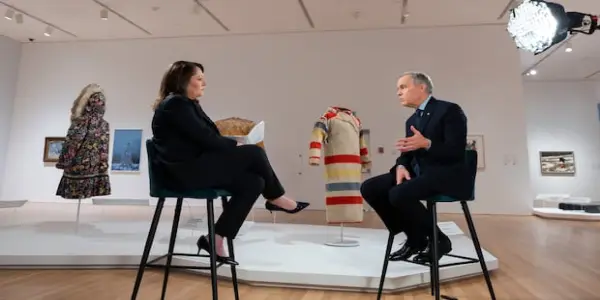
Mark Carney Discusses Political Transition During...

New Advocacy Report Urges Action Against Child...

Reddit Enhances App Performance with R8...
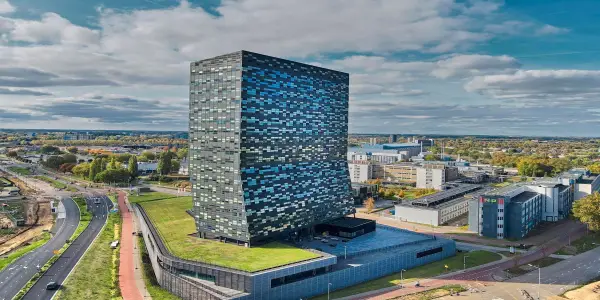
European Automakers Face New Chip Shortage as...
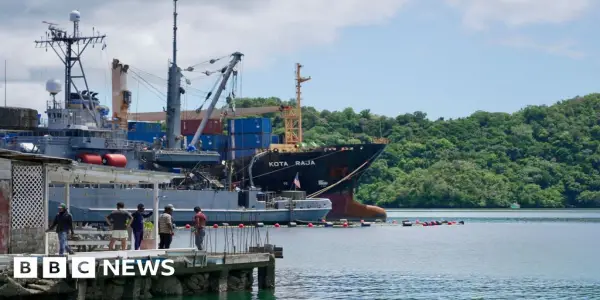
Geopolitical Tensions Surround Palau Amid...

Spain's Attorney General Convicted in...
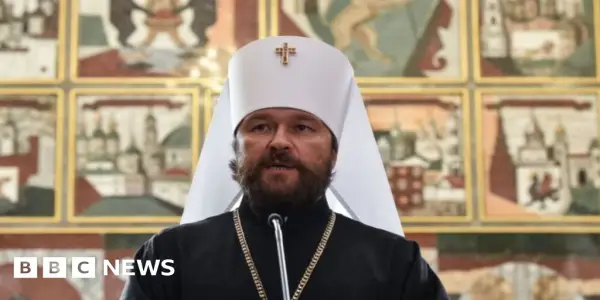
Exiled Russian Orthodox Leader Responds to Spying...
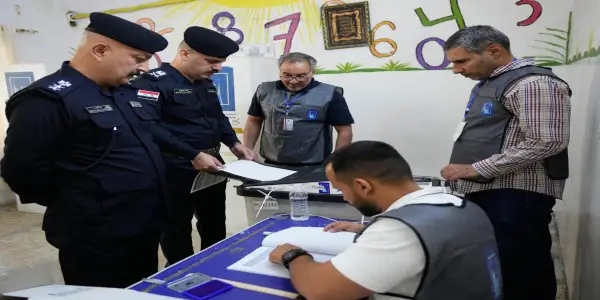
Iraq's Parliamentary Elections: Key Insights...
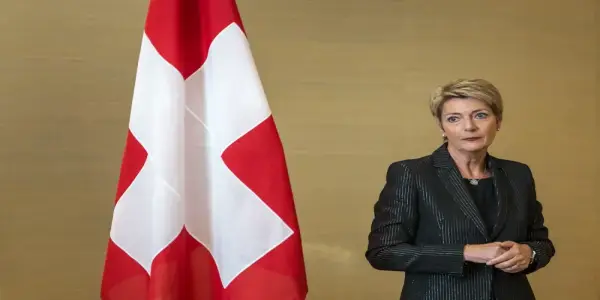
Switzerland Faces Economic Challenges Amid U.S....
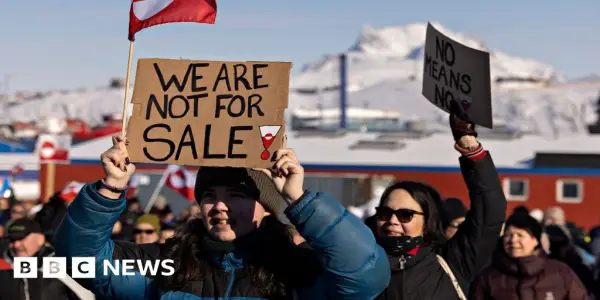
European Allies Stand Firm with Denmark Amid U.S....
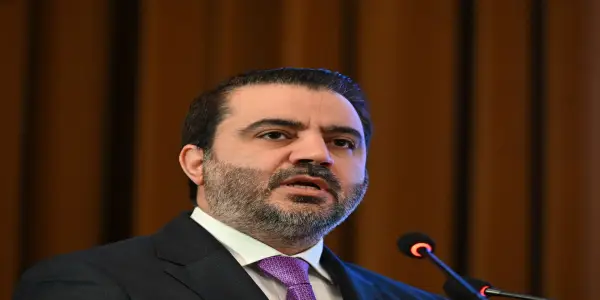
Syria's Foreign Minister Visits China to...
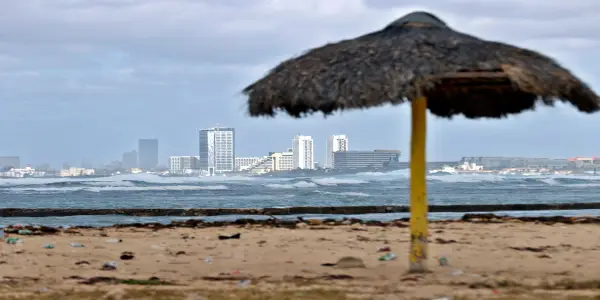
Cuban Authorities Engage in Deadly Clash with...
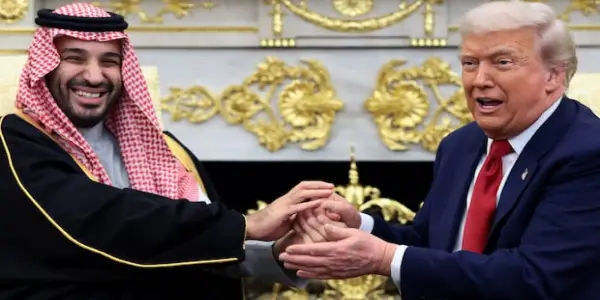
Saudi Crown Prince's Invitation to the White...
The Role of Palestinian Statehood in Advancing...
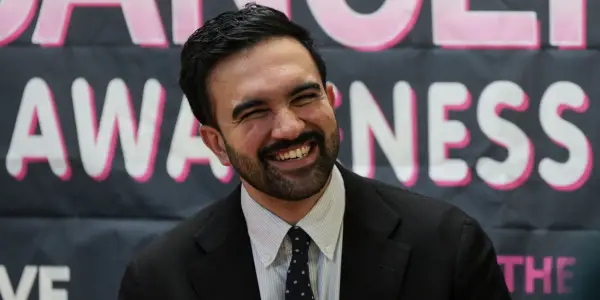
Zohran Mamdani Secures Victory in New York City...
Jared Isaacman Renominated as NASA Administrator...

Exploring Intimacy and Isolation in Claire-Louise...

Nevada's Governor's Office Allegedly Intervened...
Saudi Crown Prince Mohammed bin Salman Set for...

NASA Unveils Stunning Images of Interstellar...
Trump Addresses Nuclear Testing, Government...

Japan and Finland in Diplomatic Tension Following...
Colombia's ELN Rebels Intensify Military Drills...