Idaho Primary Election Results for Congressional Seats in 2026
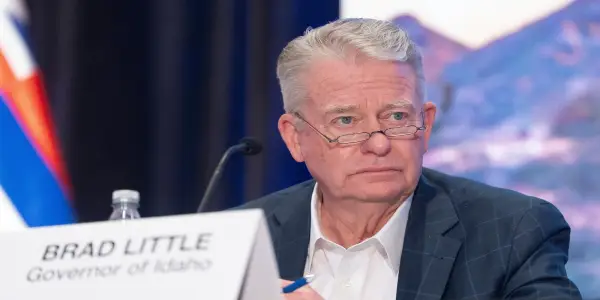
Idaho's 2026 primary elections feature all four congressional seats, including a Senate seat and two House seats, with incumbents vying for re-election.
In-depth analysis
Background context
The 2026 primary elections in Idaho featured crucial contests for all four congressional seats, including a U.S. Senate seat and two House seats, with incumbents seeking re-election. The state's political climate, which leans heavily Republican, adds significance to these elections as they will shape Idaho's future political landscape.
Key political implications
The outcomes of these primaries could solidify Republican dominance in Idaho, influencing national party dynamics and strategies as incumbents face internal challenges, reflecting broader trends in U.S. politics.
Who gains / who loses
Incumbents like Senator Mike Risch and Congressman Mike Simpson hold advantages due to their established positions, while challengers may benefit from voter dissatisfaction. The election results could reshape the balance of power within Idaho's Republican Party.
Possible future scenarios
If incumbents secure their positions, Idaho may continue its trend of Republican leadership. Conversely, significant victories for challengers could signal a shift in voter sentiment and prompt a reevaluation of party strategies moving forward.
Did you know?
Why you should know this
The outcome of Idaho's primary elections is more than just a political contest; it affects policies that influence daily life, from education funding to environmental regulations. As incumbents defend their seats, voters must consider how their choices shape local issues like healthcare access and infrastructure development. The decisions made today will echo in communities across Idaho tomorrow.
Behind the political curtain
Interestingly, Idaho has one of the highest rates of incumbency in the nation, with over 90% of incumbents winning their primaries historically. This trend underscores the challenge for challengers and the influence of established political networks.
Ordinary person in an extraordinary situation
Meet Sarah, a 34-year-old teacher from Boise. As she prepares to cast her vote, she reflects on how Senator Risch's policies have impacted her classroom funding. With a tight budget, every dollar counts, and she feels the weight of her decision. Sarah sees this election as a chance to voice her concerns about educational resources, knowing that her vote could affect not only her students but also the future of Idaho's schools. Engaging in politics is not just a civic duty for her; it’s a necessity for ensuring her students receive the quality education they deserve.
Expert Commentary
Revitalizing Relations: The Future of the...
European Automakers Face New Chip Shortage as...
Algeria Grants Pardon to Jailed Novelist Boualem...
Russian and Indian Foreign Ministers Convene...
Contradictory Signals from Trump and Rubio on...

Czech President Appoints Billionaire Former Prime...

Challenges Faced by Costumes in 'Mighty Morphin...
Mark Carney Discusses Political Transition During...
AfD Leader Raises Concerns Over Potential Threats...

Golden Snub-Nosed Monkeys Make European Debut in...
Mamdani Emerges Victorious in NYC Mayoral Race...
The Rise of Technocracy in Modern Governance

Nevada's Governor's Office Allegedly Intervened...
U.S. Lawmakers Express Concerns Over Trump...
Cuban Authorities Engage in Deadly Clash with...

Apple Achieves Unprecedented Financial Success in...
South Korea Initiates First Military Talks with...
Cuba Rejects U.S. Security Threat Claims Amid...
Canada and China Take Steps Toward Repairing...
Texas Governor Abbott Designates CAIR as a...

Saudi Crown Prince Mohammed bin Salman Set for...
Jared Isaacman Renominated as NASA Administrator...
Switzerland Faces Economic Challenges Amid U.S....
Examining Trump's Claims of Resolving Conflicts:...
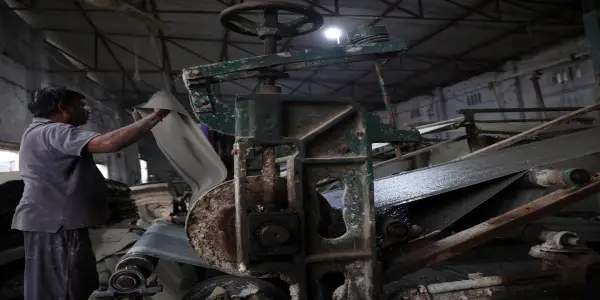
Indian Trade Unions Rally Against New Labour...

Isaac Asimov's Perspective on Star Trek: A Sci-Fi...
Six Finalists Announced for the 2026...
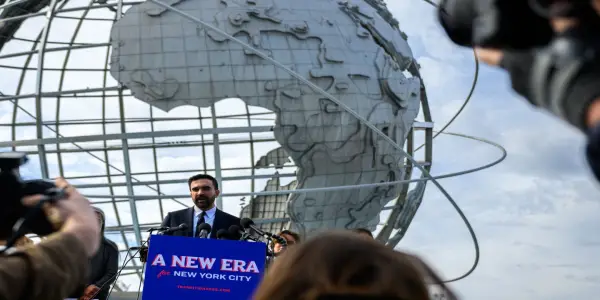
Zohran Mamdani's Vision for Global Municipal...
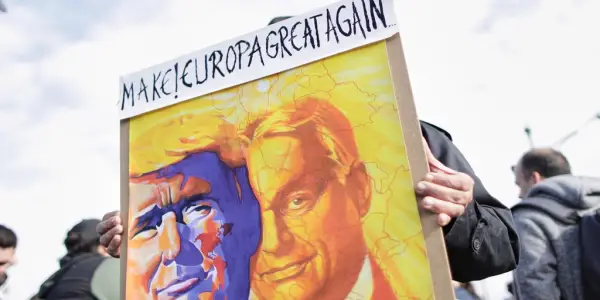
Hungarian Prime Minister Viktor Orban Engages...

Ireland Moves Forward with Bill Targeting Israeli...
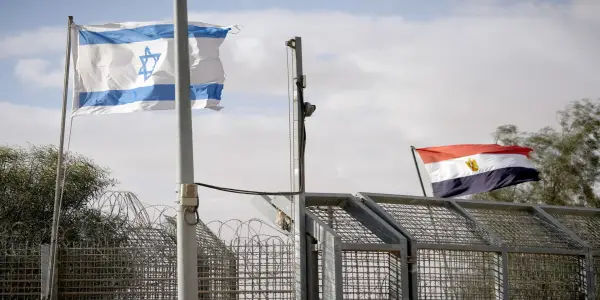
Egypt Affirms Commercial Nature of Gas Agreement...
Kenya Urges Protection for Citizens Amid...
Khamenei Assassination: A Pivotal Shift in...
Jim Avila, Esteemed ABC News Correspondent, Dies...
European Allies Stand Firm with Denmark Amid U.S....
South Korea Rebuilds Trust and Reassesses Foreign...
Canada Decides Against Public Disclosure of Nazi...

The 1969 Sino-Soviet Border Conflict: A Near Miss...
Syria's Foreign Minister Visits China to...