Contradictory Signals from Trump and Rubio on U.S. Strategy in Venezuela
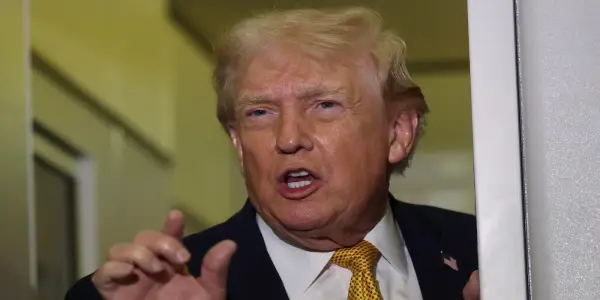
Amidst ongoing tensions, President Trump and Secretary of State Marco Rubio have offered conflicting statements regarding the U.S. approach to Venezuela, raising questions about the administration's strategy in the region.
In-depth analysis
Background context
The U.S. has historically intervened in Venezuelan affairs, primarily through sanctions aimed at destabilizing the Maduro regime, which is plagued by corruption and human rights violations. Recent developments, including the capture of Maduro and his wife by U.S. forces, have intensified scrutiny over America's intentions, framing their actions as a law enforcement effort rather than military occupation.
Key political implications
The contrasting statements from Trump and Rubio illustrate the administration's internal discord regarding its Venezuela policy, raising questions about the effectiveness of U.S. foreign strategy in the region.
Who gains / who loses
The U.S. may benefit economically from Venezuela's oil reserves if control is established, potentially aiding American companies. Conversely, the Maduro regime, bolstered by domestic support and international sympathy, risks losing legitimacy and stability amid escalating U.S. actions.
Possible future scenarios
If the U.S. maintains its current approach, Venezuela could face increased sanctions and economic pressure, leading to further instability. Alternatively, diplomatic negotiations might emerge, potentially fostering a more cooperative relationship between the U.S. and a transitional Venezuelan government.
Did you know?
Why you should know this
The mixed messages from U.S. leaders about Venezuela reflect a pivotal moment in U.S.-Latin American relations that can profoundly impact everyday Americans. Economic sanctions and foreign policy decisions can ripple through global markets, potentially affecting gas prices and trade agreements. Understanding this situation helps citizens grasp the complexities of international politics that may influence their pocketbooks and geopolitical stability.
Behind the political curtain
Historically, U.S. interventions in Latin America often stem from a blend of geopolitical strategy and economic interests. For instance, Venezuela's oil reserves are among the largest in the world, making it a focal point for U.S. energy policy, underscoring the strategic importance of this nation's stability.
Ordinary person in an extraordinary situation
Meet Elena, a 34-year-old teacher in Caracas, who struggles to provide for her family amid Venezuela's political turmoil. With daily shortages of food and medicine, Elena feels the weight of her country's instability directly. The recent capture of Maduro has stirred a mixture of hope and fear in her community. While some see it as a chance for change, others worry about the potential for violence and further chaos. Elena’s story is a reminder that behind political headlines are real lives affected by decisions made far from their homes. She holds tight to her dreams of a better future for her children, hoping that international attention can lead to lasting change.
Expert Commentary
Make up your minds. Trump says we’re “in charge.” Rubio says we’re just nudging things along with sanctions. Which is it? You can’t arrest a foreign president in New York and then claim you’re not running the show. If the administration doesn’t even agree on the basics, how is anyone else supposed to trust where this is headed?
Limited Expectations as Trump and Xi Approach...
Saudi Crown Prince's Invitation to the White...
New Yorkers Kick Off Early Voting for Mayoral...
Cuba Rejects U.S. Security Threat Claims Amid...
US Tariffs Impact Nuevo Leon's Steel Sector,...
Czech President Appoints Billionaire Former Prime...
AfD Leader Raises Concerns Over Potential Threats...
The Role of Palestinian Statehood in Advancing...
Political Reactions to BBC Leadership Changes...
The Impact of Trump's Second Year: A Year of...
Examining Trump's Claims of Resolving Conflicts:...

New Advocacy Report Urges Action Against Child...
Trump Addresses Nuclear Testing, Government...
Exiled Russian Orthodox Leader Responds to Spying...
Germany Resumes Arms Exports to Israel Amid...
Key Insights from Trump's National Security...
Nevada's Governor's Office Allegedly Intervened...
Lessons from Ulysses S. Grant on Civil-Military...
U.S. Extends Sanctions Relief as Syrian Leader...
South Korea Rebuilds Trust and Reassesses Foreign...
Japan and Finland in Diplomatic Tension Following...
Geopolitical Tensions Surround Palau Amid...
Six Finalists Announced for the 2026...
NFL Players Union Faces Grievance Over Annual...

Jetpack Navigation 3 Achieves Stability for...
Javier Milei's Victory Signals a Shift in...
Democrats Celebrate Recent Wins Amidst Internal...
Bangladesh's International Crimes Tribunal...
Syria's Foreign Minister Visits China to...
Canada and China Take Steps Toward Repairing...
China's Shift to a Cautious Research Strategy...
Algeria Grants Pardon to Jailed Novelist Boualem...

WWE Raw Recap: Titles Change Hands in Thrilling...
South Korea Initiates First Military Talks with...
Is the U.S. Reassessing Its Stance on Israel...

Comet 3I/ATLAS Continues to Mystify Scientists...
European Allies Stand Firm with Denmark Amid U.S....
Cuban Authorities Engage in Deadly Clash with...
The Rise of Technocracy in Modern Governance
Russian and Indian Foreign Ministers Convene...