New Yorkers Kick Off Early Voting for Mayoral Election and Other Key Races
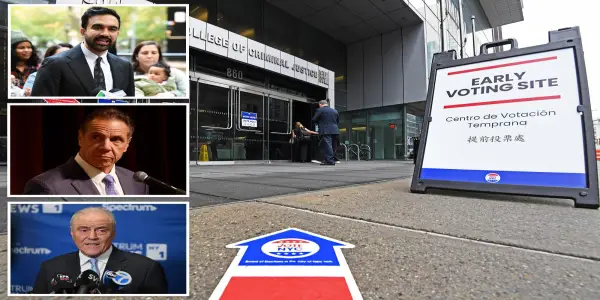
As early voting begins in New York City, residents are set to decide on the next mayor and various local offices ahead of the general election on November 4.
In-depth analysis
Background context
New York City's early voting has commenced, allowing residents to select their next mayor and other key local officials ahead of the November 4 election. This cycle is particularly significant due to the possibility of electing a candidate with socialist ideologies, a shift that could reverberate through local and national political landscapes.
Key political implications
The election outcome could redefine the political climate in New York City, particularly if a socialist candidate is elected, potentially influencing similar movements in other major urban areas across the country.
Who gains / who loses
A socialist mayoral victory may energize progressive factions, while centrist and conservative voters could feel alienated. Conversely, a win for centrist candidates like Andrew Cuomo may restore some traditional political norms, appealing to those concerned about radical changes.
Possible future scenarios
If a socialist candidate wins, New York City might see a shift towards more progressive policies, impacting housing and social services. Alternatively, a centrist victory could stabilize current governance and address public safety concerns more conservatively.
Did you know?
Why you should know this
New York City's early voting is more than just a convenience; it reflects a pivotal moment in local governance. With the potential election of a socialist mayor, residents are faced with decisions that could affect housing, safety, and economic policies. This election impacts daily life, from rent prices to public services, making it essential for New Yorkers to engage and understand the implications of their votes.
Behind the political curtain
Many voters may not know that Andrew Cuomo's initial rise to power was fueled by a political strategy that emphasized bipartisanship, often focusing on funding infrastructure projects that appealed across party lines. This approach garnered him significant support from moderates, a stark contrast to the polarized atmosphere of today's New York politics.
Ordinary person in an extraordinary situation
Meet Clara, a 68-year-old retired teacher from The Bronx. As she stepped into the polling station, she felt a mix of hope and anxiety. Having taught her students about civic duty for decades, Clara now found herself grappling with the reality of a candidate like Mamdani, whose policies could reshape the city she loves. With a fixed income, she fears how a shift in leadership could affect her neighborhood’s safety and housing costs. Clara’s concerns echo those of many New Yorkers, highlighting how individual lives are intertwined with the broader political landscape. Each vote represents a voice that seeks to influence the direction of their city, making this election not just about candidates, but about the future of community itself.
Expert Commentary
Cuban Authorities Engage in Deadly Clash with...

Challenges Faced by Costumes in 'Mighty Morphin...
Contradictory Signals from Trump and Rubio on...

Baden Bower Reduces Pitch-to-Publish Timeline by...
U.S. Embassies Redefine Human Rights:...

Golden Snub-Nosed Monkeys Make European Debut in...
European Automakers Face New Chip Shortage as...

Spain's Attorney General Convicted in...

Jetpack Navigation 3 Achieves Stability for...
Mark Carney Discusses Political Transition During...
U.S. Lawmakers Express Concerns Over Trump...
Japan Reacts Strongly to China's Travel Advisory...
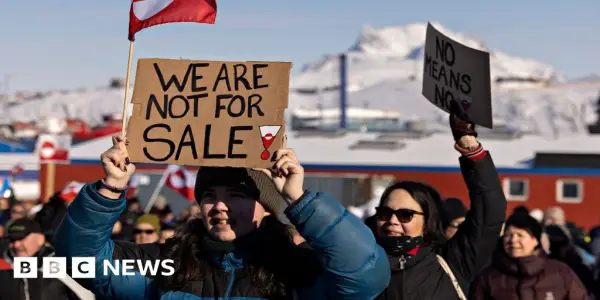
European Allies Stand Firm with Denmark Amid U.S....
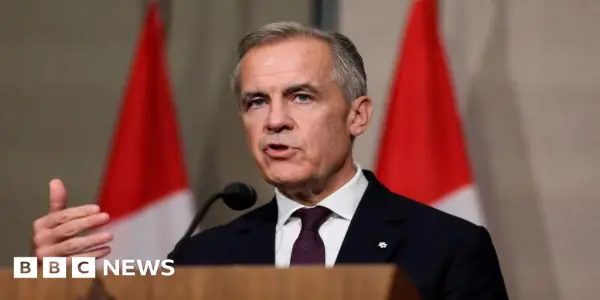
Canada's Carney to Meet Xi in China, Signaling a...

NASA Unveils Stunning Images of Interstellar...

The 1969 Sino-Soviet Border Conflict: A Near Miss...
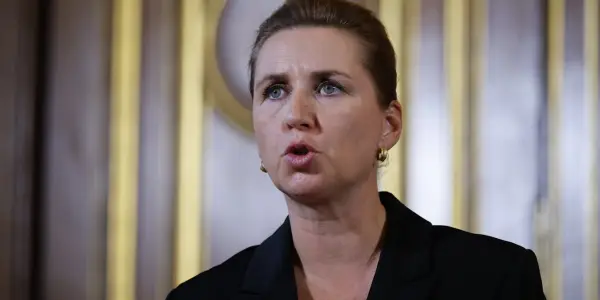
Denmark's Prime Minister Advocates for Stricter...

EA Raises Concerns Over Sale to Saudi Arabia's...

Misjudgments in Military Strategy: The Lessons...
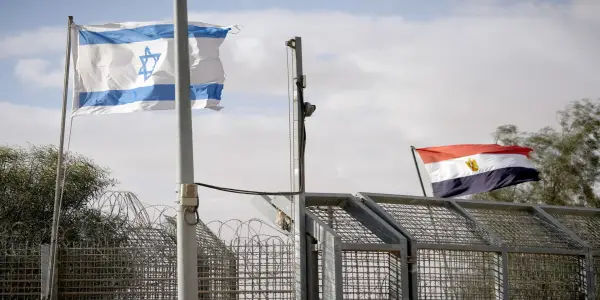
Egypt Affirms Commercial Nature of Gas Agreement...
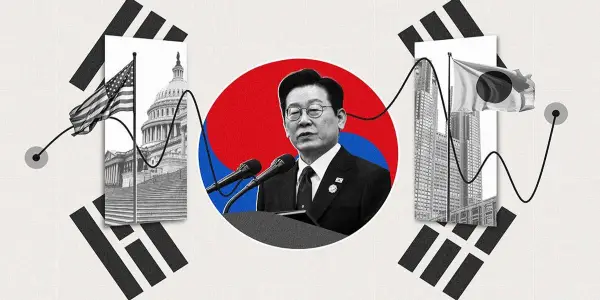
South Korea Rebuilds Trust and Reassesses Foreign...

Saudi Crown Prince Mohammed bin Salman Set for...
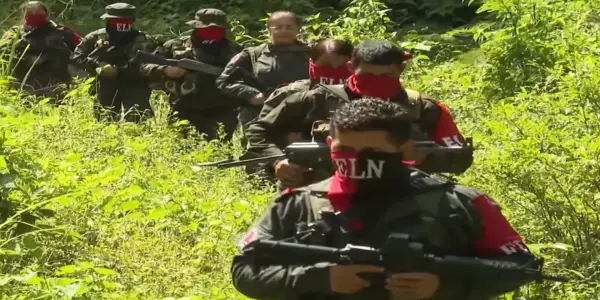
Colombia's ELN Rebels Intensify Military Drills...

Reddit Enhances App Performance with R8...
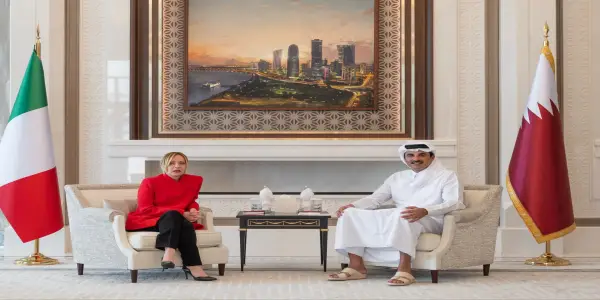
Italy's Meloni Engages with Qatar Emir on Energy...

Apple Achieves Unprecedented Financial Success in...
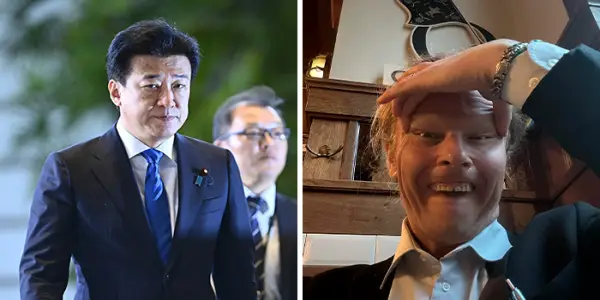
Japan and Finland in Diplomatic Tension Following...
Jim Avila, Esteemed ABC News Correspondent, Dies...
Bangladesh's International Crimes Tribunal...

UK Finalizes £8 Billion Typhoon Fighter Jet...
Japan Protests China's Travel Advisory Amid...
Switzerland Faces Economic Challenges Amid U.S....
South Africa's G20 Presidency: A Mixed Legacy of...
Iraq's Parliamentary Elections: Key Insights...
The Rise of Technocracy in Modern Governance
Democrats Celebrate Recent Wins Amidst Internal...
Syria's Foreign Minister Visits China to...

The Fate of the Maquis in Star Trek: A Missed...
Trump Addresses Nuclear Testing, Government...
Mamdani's Victory: A Turning Point for the...