South Africa Expels Israeli Diplomat Amid Escalating Tensions
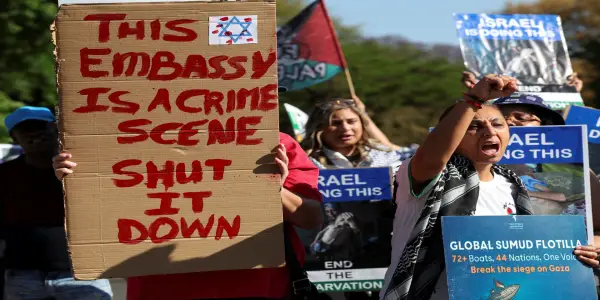
The South African government has declared the Israeli envoy persona non grata, citing severe breaches of diplomatic conduct as Israel reciprocates the action.
In-depth analysis
Background context
South Africa's decision to expel Israel’s chargé d’affaires, Shaun Edward Byneveldt, stems from allegations of diplomatic misconduct and insults directed at President Cyril Ramaphosa. This expulsion highlights South Africa's escalating criticism of Israel's military operations in Gaza, which have drawn international condemnation for their humanitarian impact and perceived violations of international law.
Key political implications
This diplomatic rift signals a potential shift in South Africa's foreign policy, aligning more closely with pro-Palestinian stances and potentially influencing other nations to reconsider their diplomatic relations with Israel.
Who gains / who loses
The South African government gains domestic support from pro-Palestinian factions and enhances its international reputation as a defender of human rights. Conversely, Israel faces diplomatic isolation and increased scrutiny of its policies, which may hinder its international standing.
Possible future scenarios
Future diplomatic relations between South Africa and Israel may become increasingly strained, leading to potential economic repercussions. Alternatively, this could prompt a broader coalition of nations to reevaluate their ties with Israel, amplifying calls for accountability regarding human rights.
Did you know?
Why you should know this
The expulsion of Israel's chargé d'affaires from South Africa highlights the increasing tension in international relations and the way countries respond to perceived violations of diplomatic norms. This decision not only affects diplomatic ties but also impacts global discussions on human rights and statehood. For everyday citizens, it illustrates how foreign policy can influence local sentiments, particularly in communities engaged in social justice activism.
Behind the political curtain
Interestingly, South Africa's expulsion of Byneveldt comes amid increasing calls within the country to sever ties with Israel entirely. This reflects a broader sentiment among some South African political factions that view their nation's history of apartheid as a lens through which to evaluate contemporary issues of justice and human rights.
Ordinary person in an extraordinary situation
Consider the perspective of Thandiwe Moyo, a schoolteacher in Johannesburg who has spent years advocating for human rights. After hearing about the expulsion, she felt a mix of pride and concern. Pride, because she believes South Africa must take a stand against injustices; concern, as she worries about the potential backlash from those who support Israel. Thandiwe often incorporates discussions about global conflicts into her classroom, hoping to inspire her students to think critically about justice and diplomacy. The expulsion resonates deeply with her mission to raise awareness about global issues, yet she fears how it may affect the lives of ordinary people caught in the geopolitical crossfire.
Expert Commentary
From a diplomatic standpoint, South Africa’s expulsion of Israel’s chargé d’affaires signals a firm stance on protocol and human rights concerns. It’s a bold move that reflects growing frustration with Israel’s actions in Gaza and emphasizes South Africa’s commitment to international law. While it risks straining bilateral relations, it also positions South Africa as a vocal advocate for Palestinian rights.
South Korea Initiates First Military Talks with...
Egypt Affirms Commercial Nature of Gas Agreement...
Limited Expectations as Trump and Xi Approach...

Apple Achieves Unprecedented Financial Success in...
Khamenei Assassination: A Pivotal Shift in...
Italy's Meloni Engages with Qatar Emir on Energy...
Iraq's Parliamentary Elections: Key Insights...
Canada's Carney to Meet Xi in China, Signaling a...

Baden Bower Reduces Pitch-to-Publish Timeline by...

Colombia's ELN Rebels Intensify Military Drills...

Cuban Authorities Engage in Deadly Clash with...
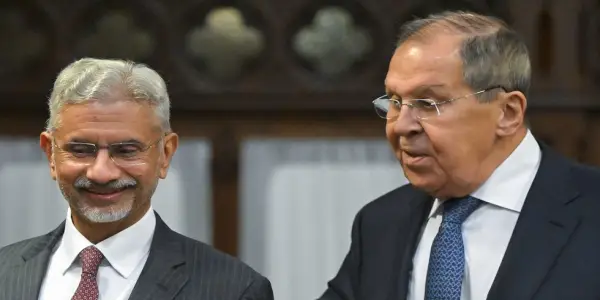
Russian and Indian Foreign Ministers Convene...
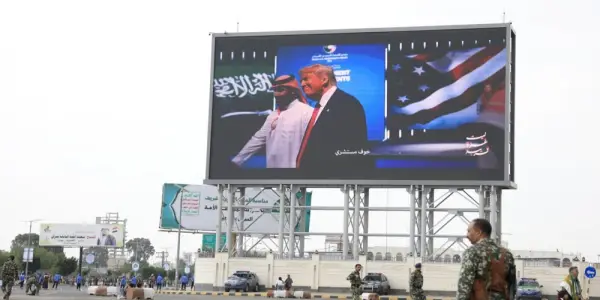
Saudi Crown Prince Mohammed bin Salman Set for...

Jetpack Navigation 3 Achieves Stability for...
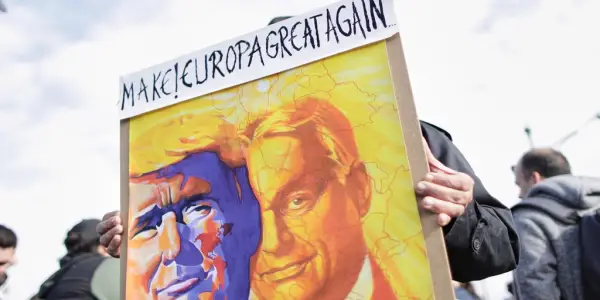
Hungarian Prime Minister Viktor Orban Engages...
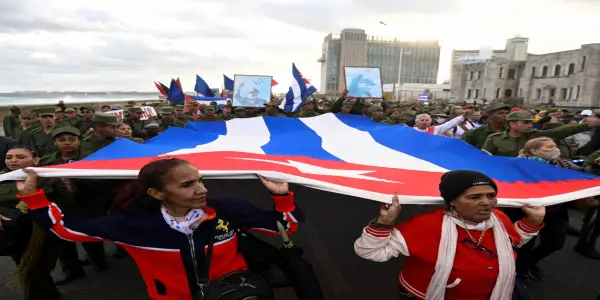
Cuba Rejects U.S. Security Threat Claims Amid...
South Africa's G20 Presidency: A Mixed Legacy of...

The Evolving Landscape of Copyright Enforcement...

Denmark's Prime Minister Advocates for Stricter...
Switzerland Faces Economic Challenges Amid U.S....
The Rise of Technocracy in Modern Governance
Jared Isaacman Renominated as NASA Administrator...

Reddit Enhances App Performance with R8...
Germany Resumes Arms Exports to Israel Amid...
U.S. Authorities Detain British Journalist Linked...

NASA Unveils Stunning Images of Interstellar...
Contradictory Signals from Trump and Rubio on...

New England Senators Play Crucial Role in...

European Automakers Face New Chip Shortage as...
Lessons from Ulysses S. Grant on Civil-Military...

Geopolitical Tensions Surround Palau Amid...
German Chancellor Merz to Visit Israel for Key...
UK Finalizes £8 Billion Typhoon Fighter Jet...
The Legacy of French Colonialism: Language and...

The Fate of the Maquis in Star Trek: A Missed...
Sias University Adapts to Modern Educational...
Tarique Rahman's Homecoming: A Potential Turning...

Bhutan's Complex Relationship with India: A...

The 1969 Sino-Soviet Border Conflict: A Near Miss...
Saudi Crown Prince's Invitation to the White...