Egypt Affirms Commercial Nature of Gas Agreement with Israel Amid Regional Tensions
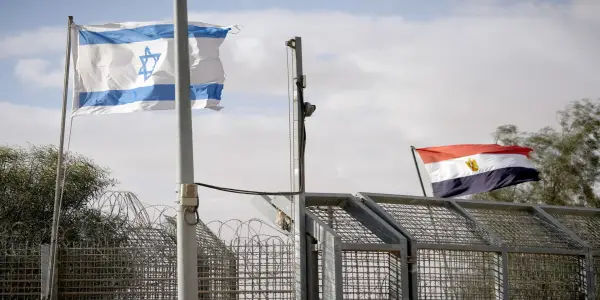
Egypt asserts its gas agreement with Israel is purely commercial, aiming to enhance its role in Eastern Mediterranean trade amid rising regional tensions.
In-depth analysis
Background context
The recent natural gas agreement between Egypt and Israel has been framed by Egypt's State Information Service as a purely commercial venture, aimed at enhancing Egypt's role in Eastern Mediterranean gas trading. This announcement occurs amidst rising tensions due to Israel's military actions in Gaza, which have attracted global criticism and concern.
Key political implications
Although the SIS downplays political ramifications, the agreement could influence diplomatic relations, especially as Egypt seeks to mediate in the Gaza conflict while managing its historical ties with Israel.
Who gains / who loses
Israel stands to gain economically from the deal, bolstering its energy sector and regional influence. Conversely, Egypt may face scrutiny from domestic and international actors, particularly amid ongoing military tensions with Israel and its role in Gaza.
Possible future scenarios
The agreement could pave the way for deeper economic ties between Egypt and Israel, but escalating tensions may jeopardize cooperation. Alternatively, Egypt's mediating role in Gaza might strengthen its regional standing, complicating the energy landscape.
Did you know?
Why you should know this
The recent gas agreement between Egypt and Israel could redefine energy trade in the Eastern Mediterranean, impacting fuel prices and availability in Europe and surrounding regions. For consumers, this means potential shifts in energy costs and reliance on different sources. Understanding these dynamics helps individuals grasp how international deals can directly influence their day-to-day expenses and energy security.
Behind the political curtain
Despite the emphasis on economic collaboration, this agreement marks a rare moment of cooperation between Egypt and Israel, as diplomatic relations remain tense. Historically, such deals have often been overshadowed by political strife, making this commercial pact particularly noteworthy for its potential to stabilize or further complicate regional dynamics.
Ordinary person in an extraordinary situation
Consider Maya, a gas station owner in Cairo. With the recent gas agreement, she observes fluctuating fuel prices and the anxiety among her customers. Many express concerns about the ongoing conflict in Gaza, fearing it may disrupt supply lines. Maya, who has lived through the ups and downs of Egypt's economy, feels the weight of these geopolitical tensions as they seep into her everyday life. She wonders if this agreement will bring stability or further uncertainty, reflecting the pervasive anxiety many feel about how international politics can have immediate impacts on local livelihoods.
Expert Commentary
Egypt’s new gas deal with Israel is a clear example of pragmatic diplomacy, separating economics from politics. By positioning itself as a regional energy hub, Egypt strengthens its strategic leverage while maintaining a careful stance amid Gaza tensions. This deal reflects the Eastern Mediterranean’s evolving energy dynamics and demonstrates how commercial cooperation can persist despite historical and geopolitical strains. Analysts note that such agreements can stabilize regional markets, but Egypt must navigate domestic and international scrutiny carefully, ensuring that its economic ambitions do not exacerbate existing political sensitivities with Israel or other neighboring states.

Apple Achieves Unprecedented Financial Success in...

Nevada's Governor's Office Allegedly Intervened...
Canada and China Take Steps Toward Repairing...
Jim Avila, Esteemed ABC News Correspondent, Dies...

Colombia's ELN Rebels Intensify Military Drills...
Is the U.S. Reassessing Its Stance on Israel...

Ireland Moves Forward with Bill Targeting Israeli...

China's Shift to a Cautious Research Strategy...

New England Senators Play Crucial Role in...

Reddit Enhances App Performance with R8...

Spain's Attorney General Convicted in...
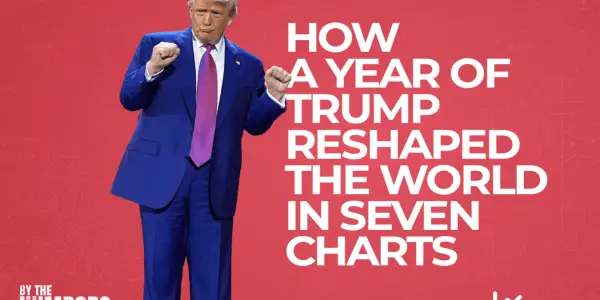
The Impact of Trump's Second Year: A Year of...

Mark Carney Discusses Political Transition During...
Contradictory Signals from Trump and Rubio on...
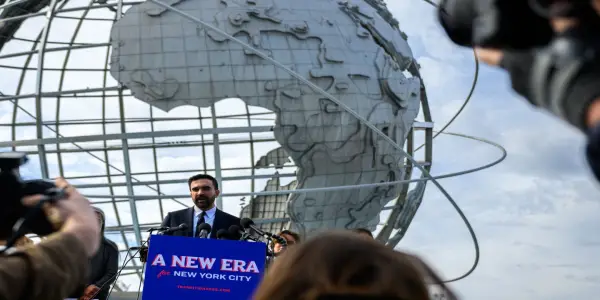
Zohran Mamdani's Vision for Global Municipal...
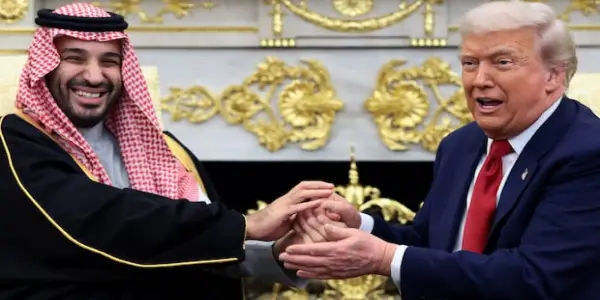
Saudi Crown Prince's Invitation to the White...
U.S. Extends Sanctions Relief as Syrian Leader...
Khamenei Assassination: A Pivotal Shift in...

Geopolitical Tensions Surround Palau Amid...
Key Insights from Trump's National Security...

NASA Unveils Stunning Images of Interstellar...

European Automakers Face New Chip Shortage as...
NFL Players Union Faces Grievance Over Annual...
The Role of Palestinian Statehood in Advancing...
Iraq's Parliamentary Elections: Key Insights...
Japan Protests China's Travel Advisory Amid...
European Allies Stand Firm with Denmark Amid U.S....

New Advocacy Report Urges Action Against Child...

Canada Decides Against Public Disclosure of Nazi...

WWE Raw Recap: Titles Change Hands in Thrilling...

Zohran Mamdani Secures Victory in New York City...
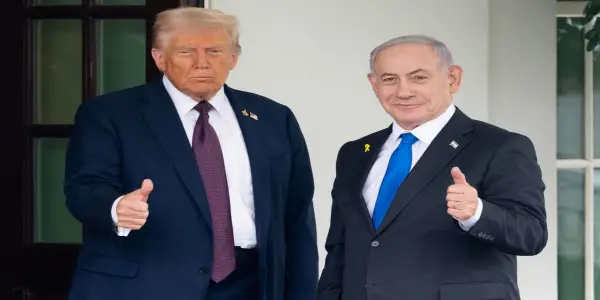
Examining Trump's Claims of Resolving Conflicts:...
Egypt Affirms Commercial Nature of Gas Agreement...

Hungarian Prime Minister Viktor Orban Engages...
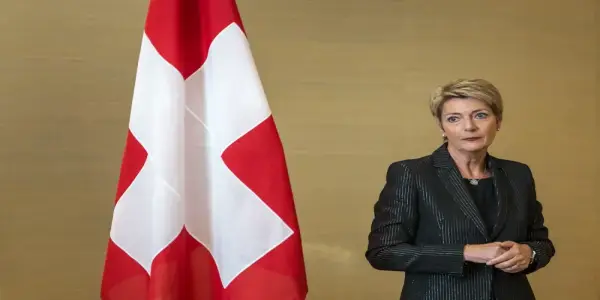
Switzerland Faces Economic Challenges Amid U.S....

Jetpack Navigation 3 Achieves Stability for...

Denmark's Prime Minister Advocates for Stricter...
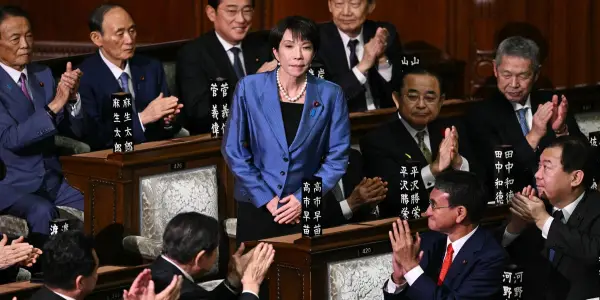
Japan Reacts Strongly to China's Travel Advisory...
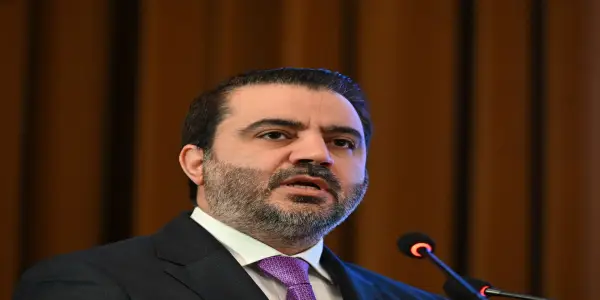
Syria's Foreign Minister Visits China to...

Trump Appoints Special Envoy to Greenland,...