Global Arms Supply to Israel Continues Amid Gaza Conflict: 51 Nations Involved
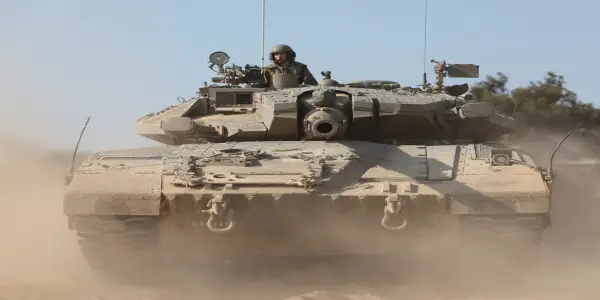
Despite international calls for arms embargoes, 51 countries, including the US and EU nations, have continued to supply military aid to Israel during the Gaza conflict.
In-depth analysis
Background context
The ongoing conflict in Gaza has seen a significant uptick in military aid to Israel, with 51 countries, including the U.S. and various EU states, continuing to supply arms despite calls for restraint. Historical patterns indicate that the U.S. remains Israel's largest supplier, raising concerns about adherence to international humanitarian laws amidst escalating violence.
Key political implications
The continued military support for Israel complicates international relations, as it challenges the credibility of nations advocating for peace and adherence to humanitarian law amid rising global tensions.
Who gains / who loses
Countries supplying military aid, particularly the U.S. and certain EU states, may strengthen their geopolitical alliances, while those opposing such support, including pro-Palestinian nations, risk losing credibility and facing domestic unrest over perceived complicity in the conflict.
Possible future scenarios
As military imports to Israel continue, potential escalations in violence could lead to increased international scrutiny and pressure for a ceasefire, possibly resulting in stricter arms export regulations from key suppliers.
Did you know?
Why you should know this
The ongoing military support for Israel amid escalating conflict raises critical questions about global accountability and humanitarian principles. For everyday citizens, understanding these dynamics is essential as they connect to broader issues of international law, ethical governance, and the implications of arms trade. This situation affects not only geopolitical stability but also the moral fabric of societies that must reconcile their values with their governments' actions.
Behind the political curtain
While the U.S. is often seen as Israel's primary military supplier, a surprising contributor is Singapore, which reportedly exported $10 million in military goods to Israel during the conflict. This highlights the complexity of international alliances and the unexpected roles smaller nations can play in global arms dynamics.
Ordinary person in an extraordinary situation
Consider Sara, a nurse in London who has dedicated her career to humanitarian work in conflict zones. As news of escalating violence in Gaza reaches her, she feels a deep conflict within. While she supports peaceful resolutions, she is disheartened to learn that her own government is supplying arms to Israel. This revelation stirs a sense of betrayal as she grapples with the implications of her taxes potentially funding military actions that contribute to civilian suffering. Sara decides to join local advocacy groups, channeling her frustration into activism, as she seeks to raise awareness about the responsibility citizens have in holding their governments accountable for military engagements abroad.
Expert Commentary
Geopolitical Tensions Surround Palau Amid...
Bangladesh's International Crimes Tribunal...
Japan Reacts Strongly to China's Travel Advisory...
Democrats Celebrate Recent Wins Amidst Internal...
U.S. Embassies Redefine Human Rights:...

Spain's Attorney General Convicted in...
European Allies Stand Firm with Denmark Amid U.S....
Russian and Indian Foreign Ministers Convene...

Reddit Enhances App Performance with R8...
Kenya Urges Protection for Citizens Amid...
Iraq's Parliamentary Elections: Key Insights...

Baden Bower Reduces Pitch-to-Publish Timeline by...

Ireland Moves Forward with Bill Targeting Israeli...
Tarique Rahman's Homecoming: A Potential Turning...
Contradictory Signals from Trump and Rubio on...
Bangladesh Seeks India's Assistance in...

Revitalizing Relations: The Future of the...
Is the U.S. Reassessing Its Stance on Israel...
Canada's Carney to Meet Xi in China, Signaling a...
Political Reactions to BBC Leadership Changes...
New Yorkers Kick Off Early Voting for Mayoral...
Limited Expectations as Trump and Xi Approach...

Exploring Intimacy and Isolation in Claire-Louise...

The Evolving Landscape of Copyright Enforcement...
Key Insights from Trump's National Security...

AfD Leader Raises Concerns Over Potential Threats...

EA Raises Concerns Over Sale to Saudi Arabia's...
Canada and China Take Steps Toward Repairing...

Comet 3I/ATLAS Continues to Mystify Scientists...

Cuban Authorities Engage in Deadly Clash with...

Golden Snub-Nosed Monkeys Make European Debut in...
South Africa's G20 Presidency: A Mixed Legacy of...

Apple Achieves Unprecedented Financial Success in...

Zohran Mamdani Secures Victory in New York City...

Sias University Adapts to Modern Educational...
Denmark's Prime Minister Advocates for Stricter...

Lessons from Ulysses S. Grant on Civil-Military...

US-South Korea Agreement to Develop...

U.S. Lawmakers Express Concerns Over Trump...
Peru Sever Diplomatic Relations with Mexico Amid...