Analysis of Prime Minister's Shift Towards Closer European Relations
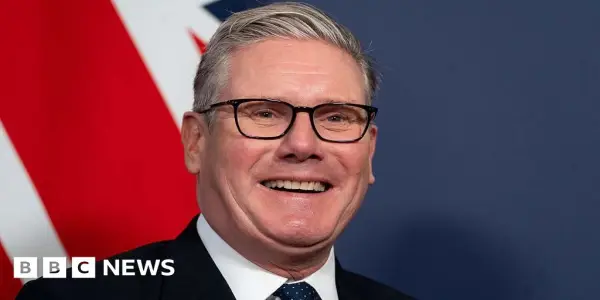
Prime Minister Rishi Sunak signals a pivotal shift in UK-EU relations, promoting closer ties and annual discussions to boost economic collaboration and reass...
In-depth analysis
Background context
The UK's exit from the EU in January 2020, led by Boris Johnson, was centered on sovereignty and reducing regulatory ties. However, recent economic challenges, including supply chain disruptions, have prompted a reassessment of this approach, with Prime Minister Rishi Sunak signaling a willingness to foster closer ties with Europe.
Key political implications
Sunak's shift towards a more collaborative stance on EU relations may reshape the political landscape, potentially aligning more factions within the UK Parliament around economic pragmatism, while challenging traditional party lines.
Who gains / who loses
Businesses, particularly in sectors like agriculture and energy, stand to gain from reduced trade friction and enhanced access to the EU market. Conversely, those advocating for strict sovereignty may view this realignment as a loss of independence.
Possible future scenarios
If successful, this strategy could lead to a more stable economic environment, fostering growth and trade. However, resistance from hardline factions could complicate negotiations, potentially stalling progress.
Did you know?
Why you should know this
This shift in the UK’s approach to the EU could have far-reaching effects on everyday consumers and businesses. If regulatory alignment is pursued, it might lead to lower prices on imported goods and smoother trade for local producers. This change could alleviate some inflationary pressures, directly impacting household budgets and the availability of products in stores.
Behind the political curtain
During the Brexit negotiations, the UK government spent £4.5 billion on preparations for a no-deal exit, yet the transition has still seen substantial disruptions in trade and supply chains, indicating the complexity and cost of such a political decision.
Ordinary person in an extraordinary situation
Consider Emily, a small-scale farmer in Kent whose business has struggled since Brexit. With the new discussions on aligning with EU standards, she feels a flicker of hope. Emily had faced increased costs and complications exporting her organic produce to Europe, which once accounted for 70% of her sales. The uncertainty had forced her to scale back operations and lay off workers. Now, with potential regulatory harmonization on the horizon, Emily envisions a return to stability, allowing her to hire back staff and expand her reach. Her story reflects the broader anxieties and aspirations of many small businesses navigating the post-Brexit landscape, emphasizing how political decisions ripple through local economies.
Expert Commentary
Rishi Sunak’s willingness to reconsider UK‑EU relations signals a pragmatic shift, reflecting economic realities rather than ideological rigidity. By exploring closer regulatory alignment and annual bilateral talks, the UK aims to reassure businesses and partners, potentially easing trade friction while maintaining sovereignty. This approach could stabilize the post‑Brexit economic landscape.

Iraq's Parliamentary Elections: Key Insights...

European Automakers Face New Chip Shortage as...

Bangladesh Seeks India's Assistance in...

Mamdani Emerges Victorious in NYC Mayoral Race...

Saudi Crown Prince Mohammed bin Salman Set for...
US Tariffs Impact Nuevo Leon's Steel Sector,...
Tarique Rahman's Homecoming: A Potential Turning...

Geopolitical Tensions Surround Palau Amid...

EA Raises Concerns Over Sale to Saudi Arabia's...

Revitalizing Relations: The Future of the...

Jared Isaacman Renominated as NASA Administrator...
South Africa's G20 Presidency: A Mixed Legacy of...
Texas Governor Abbott Designates CAIR as a...

Japan Protests China's Travel Advisory Amid...

Bangladesh's Upcoming Election: Key Political...
Contradictory Signals from Trump and Rubio on...
Jim Avila, Esteemed ABC News Correspondent, Dies...
Trump Addresses Nuclear Testing, Government...

U.S. Authorities Detain British Journalist Linked...
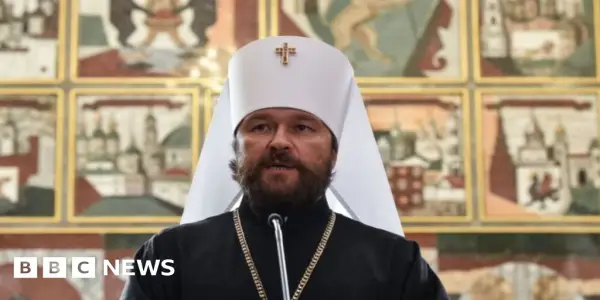
Exiled Russian Orthodox Leader Responds to Spying...

Germany Resumes Arms Exports to Israel Amid...

Canada Decides Against Public Disclosure of Nazi...
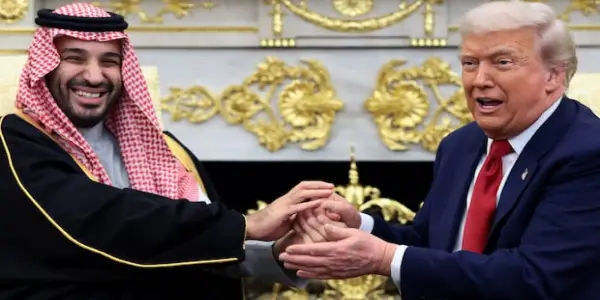
Saudi Crown Prince's Invitation to the White...

Mamdani's Victory: A Turning Point for the...
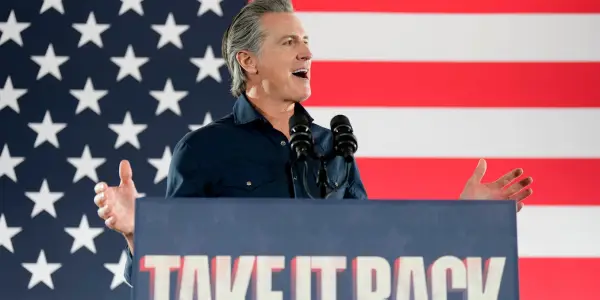
Democrats Celebrate Recent Wins Amidst Internal...

The Fate of the Maquis in Star Trek: A Missed...
Six Finalists Announced for the 2026...
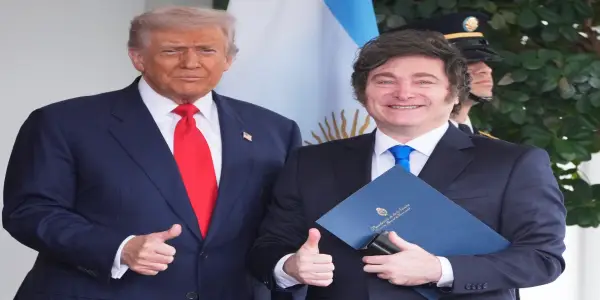
Javier Milei's Victory Signals a Shift in...

Baden Bower Reduces Pitch-to-Publish Timeline by...
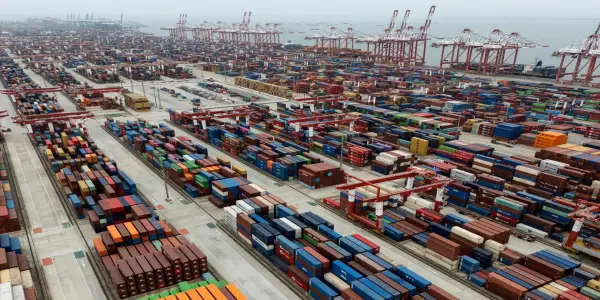
Limited Expectations as Trump and Xi Approach...
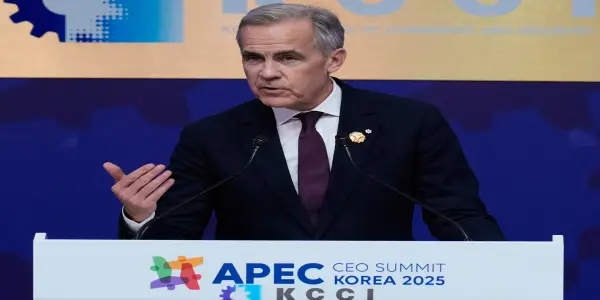
Canada and China Take Steps Toward Repairing...

Exploring Intimacy and Isolation in Claire-Louise...
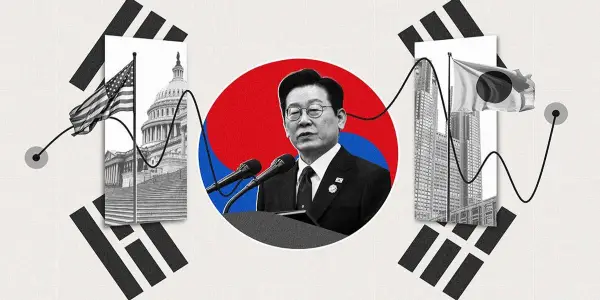
South Korea Rebuilds Trust and Reassesses Foreign...
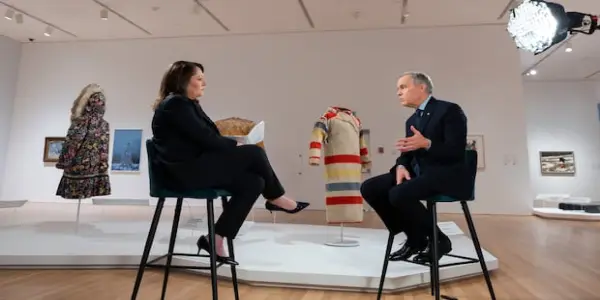
Mark Carney Discusses Political Transition During...

Colombia's ELN Rebels Intensify Military Drills...
The Rise of Technocracy in Modern Governance
New England Senators Play Crucial Role in...
Key Insights from Trump's National Security...

New Advocacy Report Urges Action Against Child...

UK Finalizes £8 Billion Typhoon Fighter Jet...