Mamdani's Victory: A Turning Point for the Palestine Movement
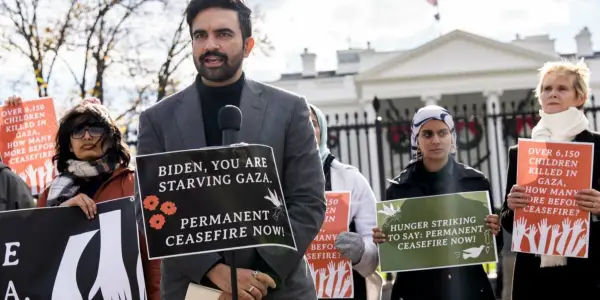
Zohran Mamdani's election as NYC mayor signals a pivotal shift for the Palestine movement, reflecting changing political dynamics and voter sentiment on Israel.
In-depth analysis
Background context
The election of Zohran Mamdani as New York City mayor represents a pivotal shift in the political landscape concerning Palestine. His campaign resonated with economically strained voters, drawing comparisons to past populist movements. This moment reflects a growing discontent with traditional pro-Israel narratives and a potential realignment in U.S. political discourse.
Key political implications
Mamdani's victory signals a potential decline in the influence of pro-Israel lobbying groups, as voters increasingly support candidates advocating for Palestinian rights. This shift could reshape political alliances and campaign strategies across party lines.
Who gains / who loses
The Palestine movement stands to gain significant momentum from Mamdani's election, as it reflects a broader societal change in attitudes towards Palestinian rights. Conversely, traditional pro-Israel lobbying organizations may find their influence waning amid shifting voter sentiments.
Possible future scenarios
As political support for Palestine grows, future elections may see more candidates openly challenging pro-Israel narratives. This could lead to a reconfiguration of political alliances and a greater emphasis on ethical considerations in U.S. foreign policy.
Did you know?
Why you should know this
The election of Zohran Mamdani as New York City's mayor represents more than just a local political shift; it signals a growing acceptance of diverse viewpoints on the Israel-Palestine issue in mainstream politics. This change affects how policies are shaped and priorities are set, potentially leading to more equitable treatment of marginalized communities. It encourages conversations about representation and the intersection of local governance with global human rights movements.
Behind the political curtain
Despite the longstanding influence of AIPAC, Mamdani's election indicates a unique shift: more than 40% of voters under 30 in the Republican Party now view Israel unfavorably. This demographic change highlights a growing generational divide in American political attitudes toward Israel and Palestine, which could reshape future electoral strategies.
Ordinary person in an extraordinary situation
Meet Amina, a 28-year-old community organizer in Brooklyn. Growing up with a Palestinian heritage, she often felt sidelined in political discussions. Amina campaigned tirelessly for Mamdani, believing his win could validate her community's struggles. The election was a personal triumph, igniting hope among her peers that their voices matter. Amina reflects on how this moment could inspire a new generation to engage with politics, emphasizing that real change often begins at the local level. She sees Mamdani's victory as a catalyst for broader discussions on justice and equity, urging her friends to challenge the status quo in their own neighborhoods.

Nevada's Governor's Office Allegedly Intervened...
Mark Carney Discusses Political Transition During...

Political Reactions to BBC Leadership Changes...
Israel Seeks Diplomatic Renewal with Bolivia...
Syria's Foreign Minister Visits China to...
Exiled Russian Orthodox Leader Responds to Spying...

Kenya Urges Protection for Citizens Amid...
New Yorkers Kick Off Early Voting for Mayoral...

Comet 3I/ATLAS Continues to Mystify Scientists...

Revitalizing Relations: The Future of the...
Italy's Meloni Engages with Qatar Emir on Energy...

Jared Isaacman Renominated as NASA Administrator...

Reddit Enhances App Performance with R8...
Sias University Adapts to Modern Educational...

Jetpack Navigation 3 Achieves Stability for...
Inquiry Critiques Scottish Government's Covid-19...

Algeria Grants Pardon to Jailed Novelist Boualem...
Examining Trump's Claims of Resolving Conflicts:...
U.S. Authorities Detain British Journalist Linked...

Javier Milei's Victory Signals a Shift in...
Italy's PM Meloni Responds Firmly to Trump's...

China's Shift to a Cautious Research Strategy...
Limited Expectations as Trump and Xi Approach...

Challenges Faced by Costumes in 'Mighty Morphin...
US Tariffs Impact Nuevo Leon's Steel Sector,...
The Impact of Trump's Second Year: A Year of...

Peru Sever Diplomatic Relations with Mexico Amid...

Canada Decides Against Public Disclosure of Nazi...

Spain's Attorney General Convicted in...
Iraq's Parliamentary Elections: Key Insights...

The 1969 Sino-Soviet Border Conflict: A Near Miss...

Isaac Asimov's Perspective on Star Trek: A Sci-Fi...
Sanae Takaichi: Japan's First Female Prime...
Tarique Rahman's Homecoming: A Potential Turning...

Japan Protests China's Travel Advisory Amid...

Bangladesh's International Crimes Tribunal...
Canada and China Take Steps Toward Repairing...
Hungarian Prime Minister Viktor Orban Engages...
U.S. Extends Sanctions Relief as Syrian Leader...
Saudi Crown Prince's Invitation to the White...