Thailand's 2026 Elections: Key Parties and Poll Insights Amid Political Turmoil
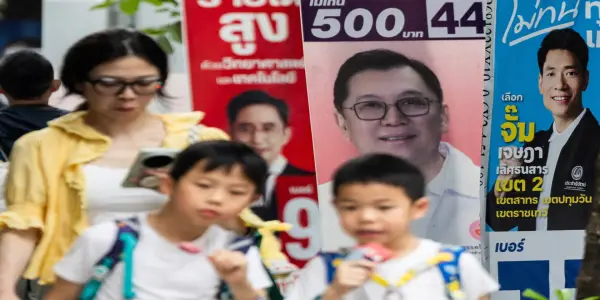
As Thailand gears up for its pivotal February 2026 elections, explore key parties, political instability, and rising nationalist sentiments shaping voter dec...
In-depth analysis
Background context
Thailand's upcoming elections on February 8, 2026, occur against a backdrop of political volatility, marked by the removal of three prime ministers within a year. Nationalist sentiments have surged due to territorial disputes with Cambodia, influencing voter attitudes. Approximately 50 million citizens will elect representatives to the House, with significant implications for governance.
Key political implications
The election outcomes could reshape Thailand's political landscape, particularly regarding governance reform and economic policies. The results may also impact the stability of the government, with potential ramifications for the military's influence in politics.
Who gains / who loses
The People's Party, appealing to younger voters with progressive policies, stands to gain significant support, potentially overtaking traditional parties like Pheu Thai. Conversely, Pheu Thai may struggle to regain its former prominence, particularly amid controversies surrounding its founder and rising nationalist sentiments favoring Bhumjaithai.
Possible future scenarios
If the People's Party secures a strong showing, it could lead to a coalition government focused on reform. However, if instability persists, the establishment may continue to undermine reformist efforts, prolonging Thailand's political turmoil.
Did you know?
Why you should know this
The February 2026 elections in Thailand are pivotal, not just politically but also economically. With 50 million eligible voters, the outcomes will directly affect policies on economic recovery and welfare programs. For everyday Thais, this means real implications for job growth, debt relief, and even how they engage with their government. Understanding these dynamics helps citizens connect their votes to tangible changes in their lives.
Behind the political curtain
A surprising element in Thailand's political landscape is the influence of the military, which has played a key role in recent political upheavals. Despite a constitutional shift towards democracy, the military's presence remains strong, often influencing decisions behind the scenes, including the ousting of prime ministers.
Ordinary person in an extraordinary situation
Meet Somchai, a 34-year-old shop owner in Bangkok. For him, the 2026 elections are more than just a political event; they represent hope for a better future. After struggling to keep his business afloat during economic downturns, he’s eager to see policies focused on economic stimulus and debt relief come to life. Somchai has watched as political instability affected his community, impacting everything from customer confidence to local investments. The rise of the People's Party resonates with him, as their proposed reforms reflect the frustrations he's felt. As he prepares to vote, he views this election not only as a chance to influence policy but as an opportunity to reclaim agency in a system that has often overlooked the needs of ordinary citizens like himself.
Expert Commentary
From a Southeast Asian politics perspective, this election reflects Thailand’s deeper struggle between reformist momentum and entrenched power structures. While youth-driven parties show real popular appeal, history suggests institutional resistance remains strong. Nationalism and regional tensions may sway short-term voting, but without a clear majority, the outcome is likely another fragile coalition rather than lasting political stability.
US Tariffs Impact Nuevo Leon's Steel Sector,...
Jim Avila, Esteemed ABC News Correspondent, Dies...
Exiled Russian Orthodox Leader Responds to Spying...

Bangladesh's Upcoming Election: Key Political...

Indian Trade Unions Rally Against New Labour...
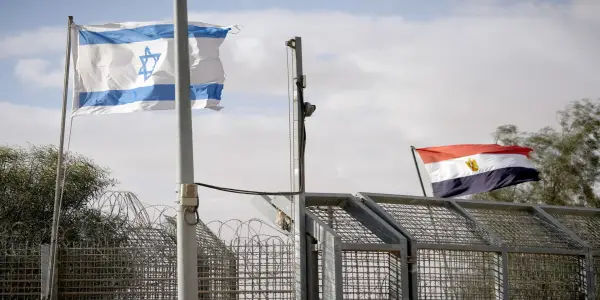
Egypt Affirms Commercial Nature of Gas Agreement...

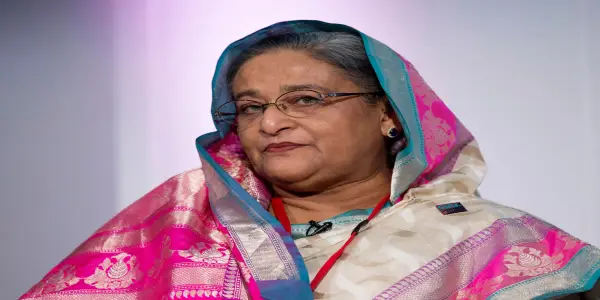
Bangladesh Seeks India's Assistance in...

U.S. Lawmakers Express Concerns Over Trump...
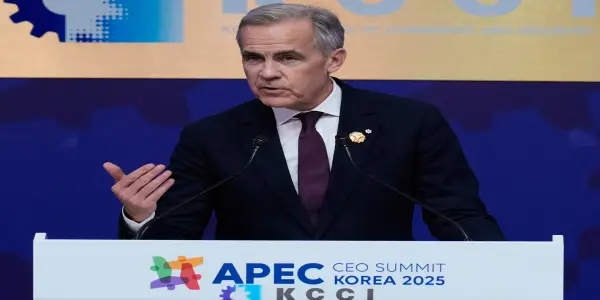
Canada and China Take Steps Toward Repairing...
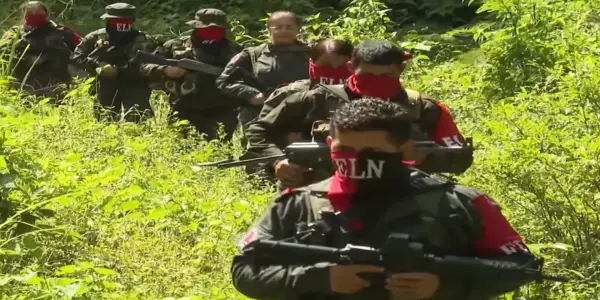
Colombia's ELN Rebels Intensify Military Drills...

Japan and Finland in Diplomatic Tension Following...
Syria's Foreign Minister Visits China to...

Misjudgments in Military Strategy: The Lessons...
Saudi Crown Prince's Invitation to the White...

The Fate of the Maquis in Star Trek: A Missed...
Denmark's Prime Minister Advocates for Stricter...

Mark Carney Discusses Political Transition During...
Six Finalists Announced for the 2026...

Peru Sever Diplomatic Relations with Mexico Amid...

Challenges Faced by Costumes in 'Mighty Morphin...
Cuba Rejects U.S. Security Threat Claims Amid...
European Allies Stand Firm with Denmark Amid U.S....

The Evolving Landscape of Copyright Enforcement...

Trump Appoints Special Envoy to Greenland,...
Japan Protests China's Travel Advisory Amid...

Lessons from Ulysses S. Grant on Civil-Military...

Saudi Crown Prince Mohammed bin Salman Set for...
Sias University Adapts to Modern Educational...
Japan Reacts Strongly to China's Travel Advisory...
Canada Decides Against Public Disclosure of Nazi...

Jared Isaacman Renominated as NASA Administrator...
South Korea Rebuilds Trust and Reassesses Foreign...

Cuban Authorities Engage in Deadly Clash with...
Russian and Indian Foreign Ministers Convene...

AfD Leader Raises Concerns Over Potential Threats...

New Yorkers Kick Off Early Voting for Mayoral...

Reddit Enhances App Performance with R8...

Contradictory Signals from Trump and Rubio on...
China's Shift to a Cautious Research Strategy...