Swiss Electorate Rejects Population Cap Initiative Amid Broader Political Landscape
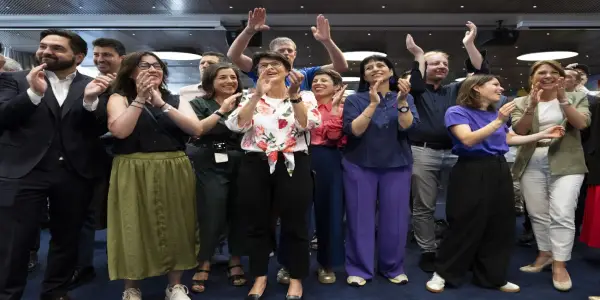
Swiss voters have decisively turned down a proposal from the Swiss People's Party to limit the population to ten million, reflecting concerns over immigration and EU relations.
In-depth analysis
Background context
The recent rejection of the Swiss People's Party's proposal to cap the population at ten million highlights ongoing tensions surrounding immigration in Switzerland. Since joining the EU's free movement agreement in 2002, the Swiss population has grown steadily, raising concerns over public services and national identity, particularly among right-wing factions.
Key political implications
The vote's outcome reinforces Switzerland's commitment to openness and stability, crucial for maintaining its relationship with the EU. It also signals a potential setback for nationalist movements seeking to influence immigration policy.
Who gains / who loses
Urban voters, who largely opposed the population cap, may feel empowered by the results, reflecting their progressive stance on immigration. Conversely, the Swiss People's Party faces a setback, as their nationalist agenda fails to resonate with the broader electorate.
Possible future scenarios
The rejection of the cap could lead to increased scrutiny of immigration policies, fostering further debates on labor market needs. Additionally, the results may embolden pro-EU sentiments, shaping future electoral dynamics.
Did you know?
Why you should know this
The rejection of the population cap proposal in Switzerland underscores the ongoing debate over immigration and national identity. As the nation grapples with a growing population, the decision affects everyday life—from access to housing and public services to the economic landscape. Understanding these dynamics helps citizens navigate discussions about community resources and the future of Switzerland’s multicultural society.
Behind the political curtain
While the SVP’s initiative was widely rejected, it received significant support in rural areas, highlighting a disconnection between urban and rural voters. This divide reveals underlying tensions in perceptions of immigration and local resources, suggesting that demographic changes impact communities in different ways.
Ordinary person in an extraordinary situation
Consider Luca, a 34-year-old software engineer in Zurich. He grew up in a multicultural neighborhood, where diverse backgrounds enriched his life. The rejection of the population cap feels like a victory to him; he fears that limiting immigration would stifle innovation and disrupt the vibrant cultural fabric he cherishes. For Luca, the vote represents more than politics—it’s about preserving the collaborative spirit that drives his industry. He worries about how restrictive policies could deter talent, ultimately leading to a less dynamic economy and a less inclusive society. Luca embodies the hopes of many who see immigration as a key to Switzerland's success, navigating a world where the balance between growth and sustainability is increasingly fragile.
Expert Commentary
Denmark's Prime Minister Advocates for Stricter...

Revitalizing Relations: The Future of the...

Jetpack Navigation 3 Achieves Stability for...

Golden Snub-Nosed Monkeys Make European Debut in...

Italy's Meloni Engages with Qatar Emir on Energy...
Mamdani's Victory: A Turning Point for the...
Jim Avila, Esteemed ABC News Correspondent, Dies...
Trump Appoints Special Envoy to Greenland,...
Switzerland Faces Economic Challenges Amid U.S....

Lessons from Ulysses S. Grant on Civil-Military...


Baden Bower Reduces Pitch-to-Publish Timeline by...
European Allies Stand Firm with Denmark Amid U.S....

Challenges Faced by Costumes in 'Mighty Morphin...

Isaac Asimov's Perspective on Star Trek: A Sci-Fi...
AfD Leader Raises Concerns Over Potential Threats...
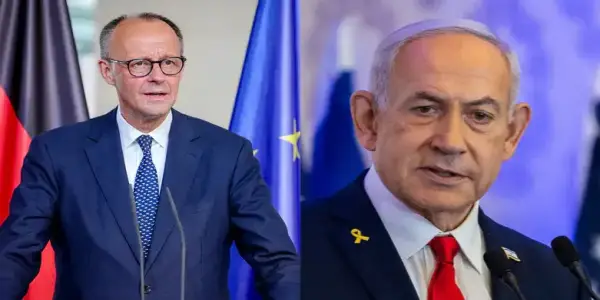
German Chancellor Merz to Visit Israel for Key...

Comet 3I/ATLAS Continues to Mystify Scientists...

Reddit Enhances App Performance with R8...

U.S. Extends Sanctions Relief as Syrian Leader...
Six Finalists Announced for the 2026...
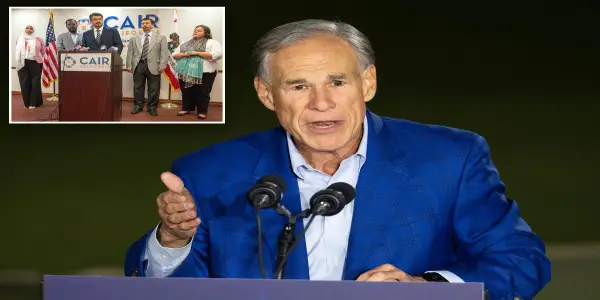
Texas Governor Abbott Designates CAIR as a...
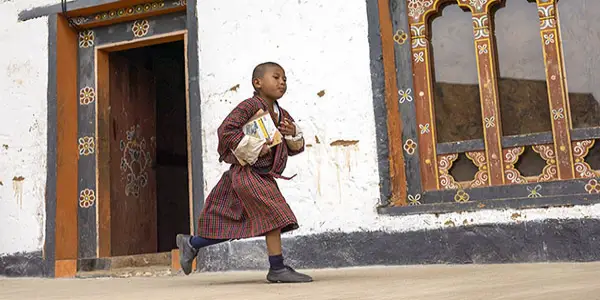
Bhutan's Complex Relationship with India: A...

Zohran Mamdani's Vision for Global Municipal...
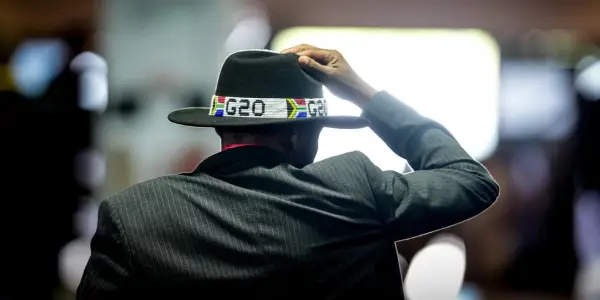
South Africa's G20 Presidency: A Mixed Legacy of...

U.S. Embassies Redefine Human Rights:...

Political Reactions to BBC Leadership Changes...
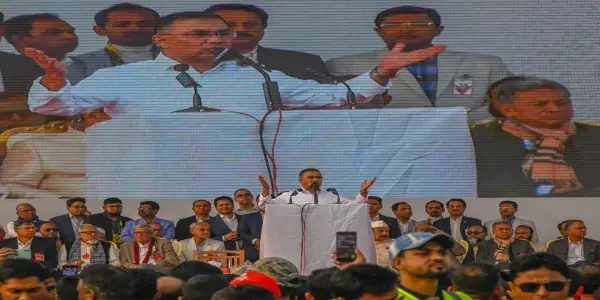
Tarique Rahman's Homecoming: A Potential Turning...

Limited Expectations as Trump and Xi Approach...

New England Senators Play Crucial Role in...

Key Insights from Trump's National Security...

NFL Players Union Faces Grievance Over Annual...

Khamenei Assassination: A Pivotal Shift in...

Bangladesh's Upcoming Election: Key Political...
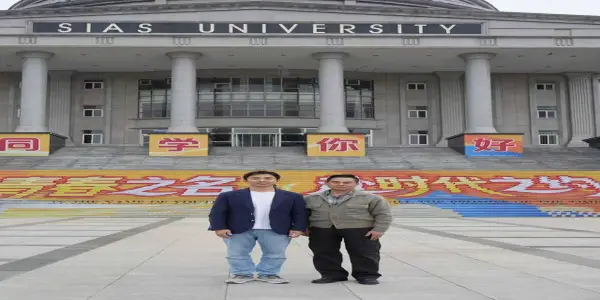
Sias University Adapts to Modern Educational...
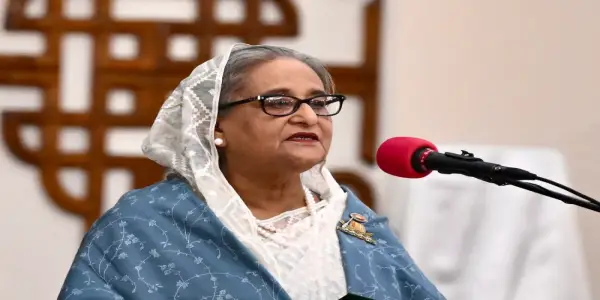
Bangladesh's International Crimes Tribunal...

The Evolving Landscape of Copyright Enforcement...

Zohran Mamdani Secures Victory in New York City...
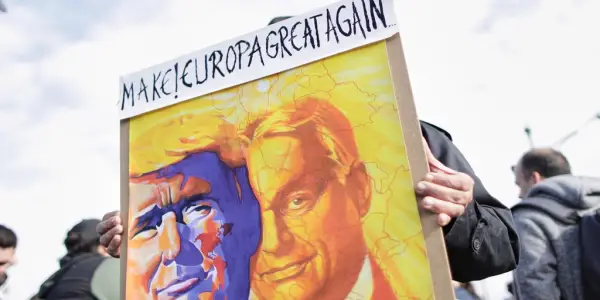
Hungarian Prime Minister Viktor Orban Engages...

Exploring Intimacy and Isolation in Claire-Louise...