Gulf States Shift Towards Diplomacy Amid US-Iran Tensions
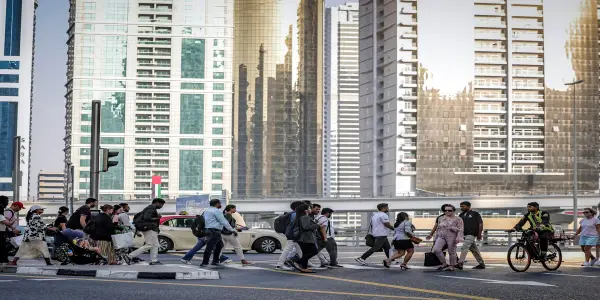
Gulf nations embrace a US-Iran agreement, signaling a pragmatic shift in regional diplomacy as conflict escalates.
In-depth analysis
Background context
The Gulf Cooperation Council (GCC) was formed in response to perceived threats from Iran, especially after the 1979 Islamic Revolution. Historically cautious of Iranian influence, the GCC states are now reassessing their diplomatic strategies due to escalating regional conflicts, particularly Israel's military actions against Iran and its implications for Gulf security.
Key political implications
The GCC's shift towards diplomatic engagement with Iran signals a potential realignment in Middle Eastern politics, highlighting a collective desire among member states to prioritize stability and security over historical animosities.
Who gains / who loses
Gulf states that embrace diplomatic relations with Iran, like Qatar and Kuwait, may gain strategic advantages and regional stability. Conversely, more cautious members like Saudi Arabia and the UAE risk losing influence if they fail to adapt to this evolving diplomatic landscape.
Possible future scenarios
Future interactions may lead to increased cooperation between Gulf states and Iran, fostering a more stable regional environment. However, persistent tensions, particularly from external actors like Israel and the US, could complicate these diplomatic efforts.
Did you know?
Why you should know this
The shifting dynamics between Gulf nations and Iran could directly impact global oil prices and regional stability, which affects everyday consumers. As these nations explore diplomatic solutions, the potential for reduced conflict may lead to more stable supply chains, impacting everything from gas prices to regional trade agreements that ultimately influence the cost of goods in local markets.
Behind the political curtain
Despite the long-standing animosity, Qatar has hosted secret talks with Iran for years, showcasing its unique position in the GCC. This lesser-known engagement highlights Qatar's role as a mediator and its willingness to navigate complex relationships to foster regional peace.
Ordinary person in an extraordinary situation
Fatima Al-Mansoori, a school teacher in Abu Dhabi, feels the weight of these geopolitical shifts daily. With her husband working in the oil industry, rising tensions have brought uncertainty to their lives. Fatima recalls how previous conflicts affected her family’s finances, leading to tight budgets and anxiety. Now, as she hears of potential de-escalation, she holds onto hope for a more stable future. 'Every day, I teach my students about peace and understanding, but it’s hard to believe it when the news is filled with conflict,' she says. Fatima’s story illustrates how the broader political landscape sharply influences personal lives, highlighting the urgent need for dialogue and cooperation in the region.
Expert Commentary

WWE Raw Recap: Titles Change Hands in Thrilling...

Exploring Intimacy and Isolation in Claire-Louise...
Saudi Crown Prince Mohammed bin Salman Set for...

U.S. Authorities Detain British Journalist Linked...

Mamdani Emerges Victorious in NYC Mayoral Race...
New Yorkers Kick Off Early Voting for Mayoral...
Trump Addresses Nuclear Testing, Government...
US Tariffs Impact Nuevo Leon's Steel Sector,...
Inquiry Critiques Scottish Government's Covid-19...
Kenya Urges Protection for Citizens Amid...
South Korea Initiates First Military Talks with...

Peru Sever Diplomatic Relations with Mexico Amid...

Reddit Enhances App Performance with R8...
Bangladesh's Upcoming Election: Key Political...
Italy's Meloni Engages with Qatar Emir on Energy...
Japan Protests China's Travel Advisory Amid...
Democrats Celebrate Recent Wins Amidst Internal...
Germany Resumes Arms Exports to Israel Amid...
Cuba Rejects U.S. Security Threat Claims Amid...
Colombia's ELN Rebels Intensify Military Drills...
The Role of Palestinian Statehood in Advancing...
Syria's Foreign Minister Visits China to...
Canada and China Take Steps Toward Repairing...
Bangladesh Seeks India's Assistance in...
China's Shift to a Cautious Research Strategy...
Javier Milei's Victory Signals a Shift in...

Japan and Finland in Diplomatic Tension Following...
Japan Reacts Strongly to China's Travel Advisory...
Israel Seeks Diplomatic Renewal with Bolivia...
South Africa's G20 Presidency: A Mixed Legacy of...

Ireland Moves Forward with Bill Targeting Israeli...

AfD Leader Raises Concerns Over Potential Threats...
Egypt Affirms Commercial Nature of Gas Agreement...
Mark Carney Discusses Political Transition During...

EA Raises Concerns Over Sale to Saudi Arabia's...

Cuban Authorities Engage in Deadly Clash with...

Apple Achieves Unprecedented Financial Success in...
Russian and Indian Foreign Ministers Convene...

U.S. Lawmakers Express Concerns Over Trump...