Bangladesh Seeks India's Assistance in Extraditing Former Prime Minister Sheikh Hasina
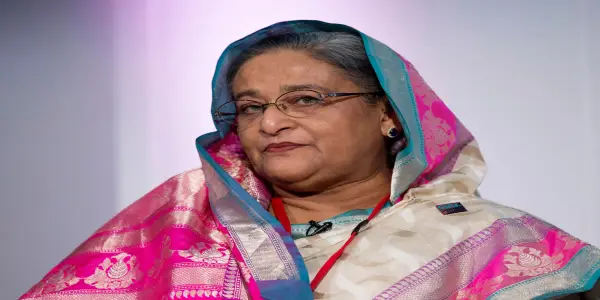
Bangladesh calls on India to extradite former Prime Minister Sheikh Hasina, sentenced to death for her role in violent protests, highlighting regional diplom...
In-depth analysis
Background context
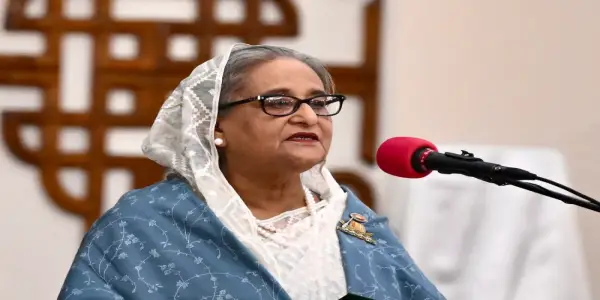
The Bangladeshi government has renewed its extradition request for former Prime Minister Sheikh Hasina, sentenced to death for her actions during last year's protests. This appeal is rooted in a 2008 bilateral treaty with India, highlighting the intricate diplomatic relationship shaped by historical ties and recent political turmoil in Bangladesh.
Key political implications
The extradition request could significantly impact Bangladesh's political landscape, potentially reshaping power dynamics and influencing public sentiment towards the ruling interim government and its commitment to justice.
Who gains / who loses
If India complies with the extradition, the interim government may bolster its legitimacy and assert control over political accountability. Conversely, India risks straining its diplomatic relations with Bangladesh and facing backlash from human rights advocates.
Possible future scenarios
Should India deny the extradition, tensions may escalate, complicating bilateral relations further. Conversely, a successful extradition could lead to increased stability in Bangladesh, but also provoke unrest among Hasina's supporters.
Did you know?
Why you should know this
Understanding the extradition request for Sheikh Hasina is crucial for grasping the evolving dynamics between Bangladesh and India. This issue impacts not only political accountability in Bangladesh but also regional stability, affecting trade, security, and diplomatic relations. As everyday citizens of both countries navigate these complexities, the outcome could shape the socio-political landscape they live in.
Behind the political curtain
In 2014, Bangladesh and India ratified a land boundary agreement that resolved long-standing territorial disputes. This agreement was seen as a significant step toward improving bilateral relations, yet the recent extradition request highlights how quickly diplomatic progress can unravel amid political turmoil.
Ordinary person in an extraordinary situation
Meet Anika Rahman, a 28-year-old teacher in Dhaka who has witnessed the fallout from the protests that led to Sheikh Hasina’s conviction. Anika believes that the political turmoil has directly impacted her students, who face instability and uncertainty as elections approach. She recalls a conversation with her students about justice and accountability, where they expressed fear about their future. Anika feels caught between her desire for political change and the complexities of regional diplomacy. As she prepares her lesson plans, she wonders how the extradition request might shift the political landscape, ultimately affecting her students' lives. For Anika, this isn't just a political issue; it's a matter of hope and possibility for the next generation.

Challenges Faced by Costumes in 'Mighty Morphin...
Saudi Crown Prince's Invitation to the White...
New Yorkers Kick Off Early Voting for Mayoral...
Cuba Rejects U.S. Security Threat Claims Amid...
US Tariffs Impact Nuevo Leon's Steel Sector,...
Czech President Appoints Billionaire Former Prime...

AfD Leader Raises Concerns Over Potential Threats...
Bangladesh's Upcoming Election: Key Political...
Egypt Affirms Commercial Nature of Gas Agreement...
The Impact of Trump's Second Year: A Year of...
Canada and China Take Steps Toward Repairing...

New Advocacy Report Urges Action Against Child...
Trump Addresses Nuclear Testing, Government...
Exiled Russian Orthodox Leader Responds to Spying...
Germany Resumes Arms Exports to Israel Amid...
Key Insights from Trump's National Security...

Nevada's Governor's Office Allegedly Intervened...

Lessons from Ulysses S. Grant on Civil-Military...
U.S. Extends Sanctions Relief as Syrian Leader...
South Korea Rebuilds Trust and Reassesses Foreign...

Misjudgments in Military Strategy: The Lessons...
Geopolitical Tensions Surround Palau Amid...
Six Finalists Announced for the 2026...

NFL Players Union Faces Grievance Over Annual...

Jetpack Navigation 3 Achieves Stability for...
Javier Milei's Victory Signals a Shift in...
Democrats Celebrate Recent Wins Amidst Internal...
Bangladesh's International Crimes Tribunal...
Syria's Foreign Minister Visits China to...
Examining Trump's Claims of Resolving Conflicts:...
China's Shift to a Cautious Research Strategy...
Algeria Grants Pardon to Jailed Novelist Boualem...

WWE Raw Recap: Titles Change Hands in Thrilling...
Indian Trade Unions Rally Against New Labour...
Is the U.S. Reassessing Its Stance on Israel...

Comet 3I/ATLAS Continues to Mystify Scientists...
The Legacy of French Colonialism: Language and...
Cuban Authorities Engage in Deadly Clash with...

The Rise of Technocracy in Modern Governance
Italy's PM Meloni Responds Firmly to Trump's...