Is the U.S. Reassessing Its Stance on Israel Following Trump's Critique?
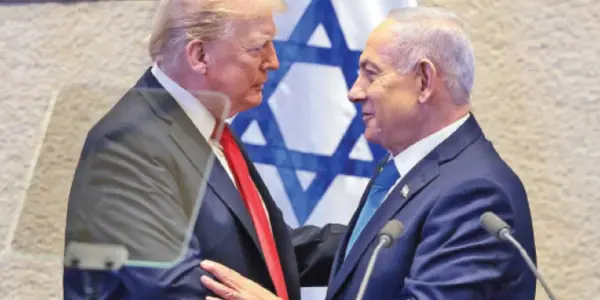
Donald Trump's recent comments on Israel in a Time Magazine interview have ignited a debate on the future of U.S. foreign policy in the Middle East. Analysts are divided on whether this signals a genuine shift or a mere political maneuver.
In-depth analysis
Background context
The current discourse surrounding U.S.-Israeli relations has intensified following Donald Trump's critique of Prime Minister Benjamin Netanyahu. His comments highlight a significant shift in the perception of Israel's actions in Gaza, prompting a broader reassessment of the U.S.'s historical support for Israel amid changing global attitudes and escalating tensions in the Middle East.
Key political implications
Trump's remarks may signal a potential shift in U.S. foreign policy, indicating that longstanding support for Israel could be reconsidered in light of evolving geopolitical dynamics and increasing domestic and international scrutiny.
Who gains / who loses
Should U.S. policy towards Israel shift, Palestinian groups might gain leverage in international discussions, while Israel could face increased isolation. Conversely, traditional supporters of Israel within the U.S. may feel marginalized, complicating domestic political alliances.
Possible future scenarios
If the U.S. continues to reassess its support for Israel, it could lead to a more balanced approach in Middle Eastern diplomacy. Alternatively, a return to unconditional support may maintain the status quo, perpetuating existing conflicts.
Did you know?
Why you should know this
Understanding Trump's critique of Netanyahu sheds light on shifting U.S. attitudes towards Israel, which may directly affect American foreign policy and international relations. As the U.S. re-evaluates its support, implications could ripple through global diplomacy, impacting everything from military aid decisions to international negotiations on peace in the Middle East.
Behind the political curtain
In 2019, a U.S. congressional resolution aimed to limit military aid to Israel over human rights violations was met with significant pushback, illustrating the long-standing bipartisan support for Israel despite growing criticism of its policies, especially related to the Palestinian territories.
Ordinary person in an extraordinary situation
Meet Sarah, a 34-year-old teacher from Chicago with family in Israel. While she celebrates her relatives' safety, she grapples with the moral complexities of U.S. support for Israel amid the ongoing conflict. Sarah reflects on her dual identity—supporting Israel while advocating for Palestinian rights. She feels torn, realizing her personal connections shape her views on foreign policy. Conversations at her dinner table often center around ethical considerations in international relations, especially as her students inquire about the real implications of U.S. actions abroad. For Sarah, the political discourse isn't just abstract; it’s deeply personal, prompting her to engage more in advocacy for peace and justice.
Syria's Foreign Minister Visits China to...
Russian and Indian Foreign Ministers Convene...

WWE Raw Recap: Titles Change Hands in Thrilling...
Six Finalists Announced for the 2026...
Switzerland Faces Economic Challenges Amid U.S....

The Evolving Landscape of Copyright Enforcement...

NFL Players Union Faces Grievance Over Annual...
Political Reactions to BBC Leadership Changes...
Examining Trump's Claims of Resolving Conflicts:...

Exploring Intimacy and Isolation in Claire-Louise...

Geopolitical Tensions Surround Palau Amid...
U.S. Lawmakers Express Concerns Over Trump...
Mamdani Emerges Victorious in NYC Mayoral Race...

The Fate of the Maquis in Star Trek: A Missed...
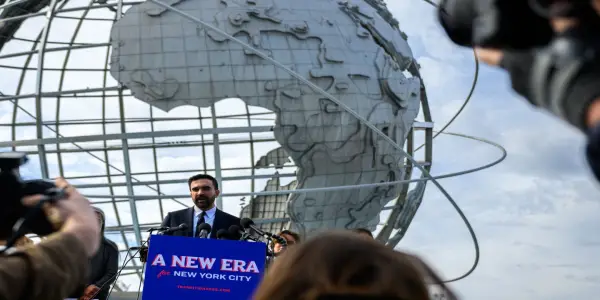
Zohran Mamdani's Vision for Global Municipal...
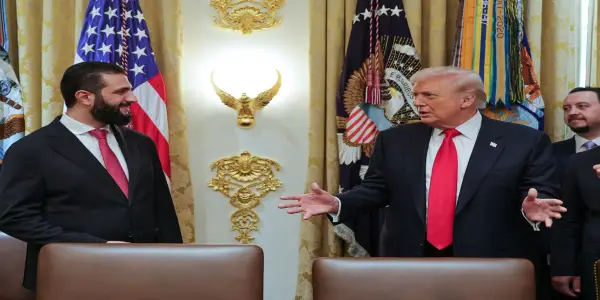
U.S. Extends Sanctions Relief as Syrian Leader...
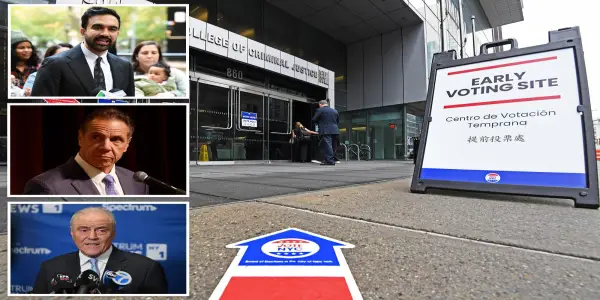
New Yorkers Kick Off Early Voting for Mayoral...

Inquiry Critiques Scottish Government's Covid-19...

Isaac Asimov's Perspective on Star Trek: A Sci-Fi...
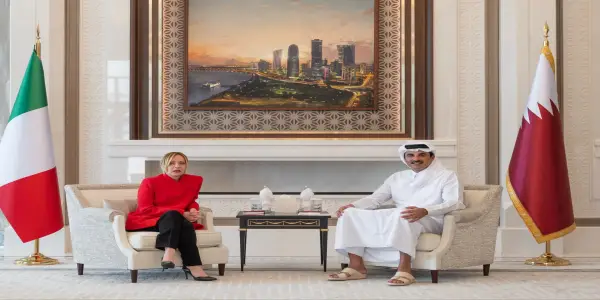
Italy's Meloni Engages with Qatar Emir on Energy...
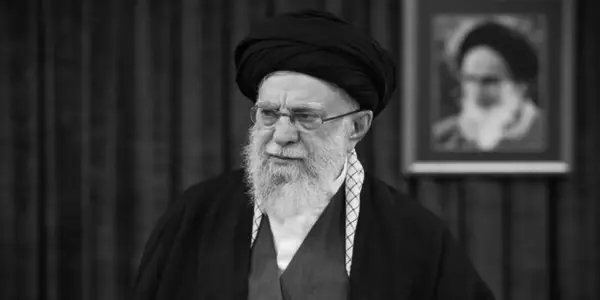
Khamenei Assassination: A Pivotal Shift in...

Trump Appoints Special Envoy to Greenland,...
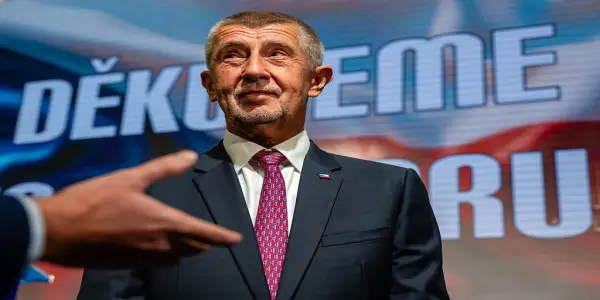
Czech President Appoints Billionaire Former Prime...

New Advocacy Report Urges Action Against Child...
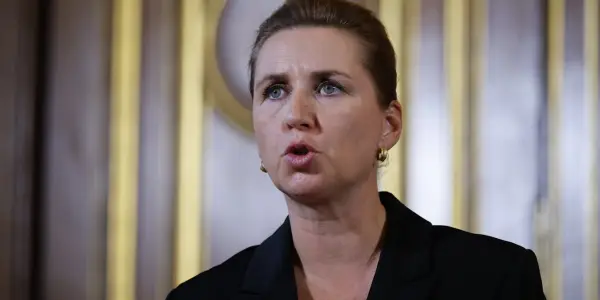
Denmark's Prime Minister Advocates for Stricter...

Japan Protests China's Travel Advisory Amid...

Japan and Finland in Diplomatic Tension Following...
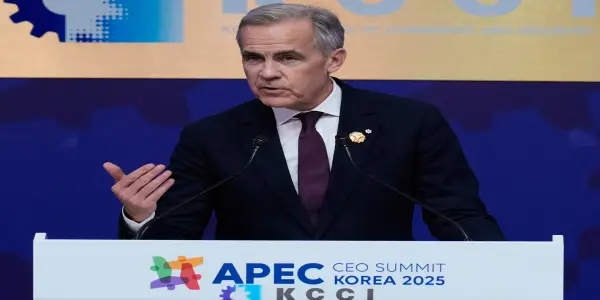
Canada and China Take Steps Toward Repairing...
Is the U.S. Reassessing Its Stance on Israel...

Baden Bower Reduces Pitch-to-Publish Timeline by...

Sias University Adapts to Modern Educational...

The Legacy of French Colonialism: Language and...
AfD Leader Raises Concerns Over Potential Threats...
Jared Isaacman Renominated as NASA Administrator...

Jetpack Navigation 3 Achieves Stability for...

US-South Korea Agreement to Develop...

Revitalizing Relations: The Future of the...
The Role of Palestinian Statehood in Advancing...
Saudi Crown Prince's Invitation to the White...
Bangladesh's International Crimes Tribunal...