Six Finalists Announced for the 2026 International Booker Prize
The 2026 International Booker Prize finalists feature diverse narratives from four continents, highlighting significant historical periods and themes of resilience.
In-depth analysis
Background context
The International Booker Prize has announced its six finalists for 2026, celebrating literary works translated into English from various languages. This award highlights the important contributions of translators and the diverse narratives that enrich the global literary scene, offering readers insights into different cultures and experiences.
Key political implications
The shortlisted works engage with significant historical events, prompting reflection on the consequences of political oppression and the resilience of individuals. These narratives may influence public discourse on historical memory and contemporary issues of identity and freedom.
Who gains / who loses
Authors and translators of the nominated works stand to gain recognition and financial support, enhancing their visibility in the literary world. Conversely, narratives that challenge dominant cultural perspectives may face resistance from audiences less receptive to critical historical reflections.
Possible future scenarios
As the finalists compete for the prestigious award, increased attention to diverse voices may encourage publishers to seek out more translated works. This could lead to a broader appreciation of global literature and foster greater cultural exchange.
Did you know?
Why you should know this
The International Booker Prize finalists offer a glimpse into diverse narratives that shape cultural understanding. As these stories tackle historical traumas and personal struggles, they connect readers to global issues, enriching their perspectives on identity and resilience. Engaging with translated works expands our awareness of the human experience, making these stories relevant in navigating today's interconnected world.
Behind the political curtain
Interestingly, the International Booker Prize was initially established to spotlight outstanding works in translation, but it has evolved to emphasize the role of translators, who often remain unsung heroes. This shift not only honors linguistic artistry but also highlights how translation shapes cultural narratives and fosters global empathy.
Ordinary person in an extraordinary situation
Consider Maria, a 28-year-old translator from Venezuela, who spent years bringing Latin American literature to English-speaking audiences. As she reads the shortlisted works, she finds echoes of her own struggles—much like the characters she translates, Maria has faced societal pressures and personal losses. Each story resonates deeply, fueling her passion for giving voice to underrepresented communities. For her, the International Booker Prize is not just an award; it represents a lifeline for stories that reflect the complexities of identity, history, and hope. Maria’s journey illustrates the profound impact of literature: it connects people across borders and reminds us of shared human experiences, reinforcing the importance of diverse narratives in our increasingly polarized world.
Expert Commentary
US Tariffs Impact Nuevo Leon's Steel Sector,...

Zohran Mamdani Secures Victory in New York City...

Italy's PM Meloni Responds Firmly to Trump's...

China's Shift to a Cautious Research Strategy...
Canada Decides Against Public Disclosure of Nazi...

AfD Leader Raises Concerns Over Potential Threats...
Canada's Carney to Meet Xi in China, Signaling a...

New Advocacy Report Urges Action Against Child...

Exploring Intimacy and Isolation in Claire-Louise...

Mamdani Emerges Victorious in NYC Mayoral Race...
Examining Trump's Claims of Resolving Conflicts:...
Tarique Rahman's Homecoming: A Potential Turning...

NASA Unveils Stunning Images of Interstellar...

Comet 3I/ATLAS Continues to Mystify Scientists...

Saudi Crown Prince's Invitation to the White...

Bangladesh's Upcoming Election: Key Political...

The Rise of Technocracy in Modern Governance
Syria's Foreign Minister Visits China to...

Inquiry Critiques Scottish Government's Covid-19...

Revitalizing Relations: The Future of the...
Cuban Authorities Engage in Deadly Clash with...
Kenya Urges Protection for Citizens Amid...
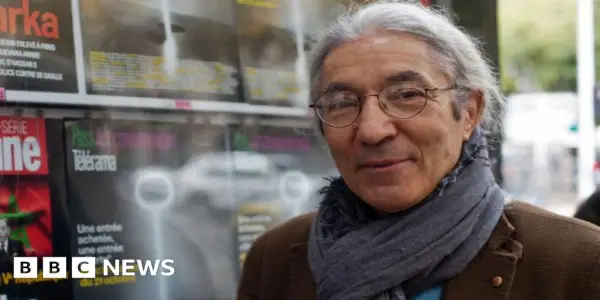
Algeria Grants Pardon to Jailed Novelist Boualem...

Political Reactions to BBC Leadership Changes...

Jetpack Navigation 3 Achieves Stability for...

Japan Protests China's Travel Advisory Amid...
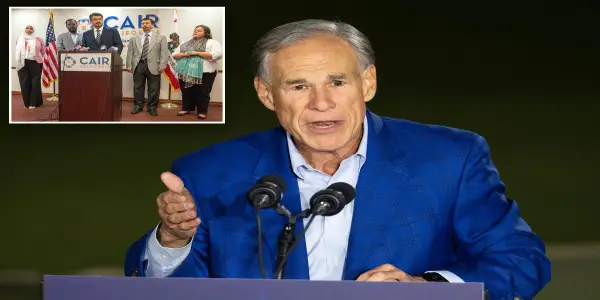
Texas Governor Abbott Designates CAIR as a...
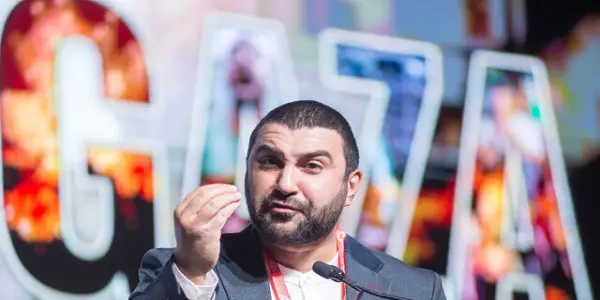
U.S. Authorities Detain British Journalist Linked...
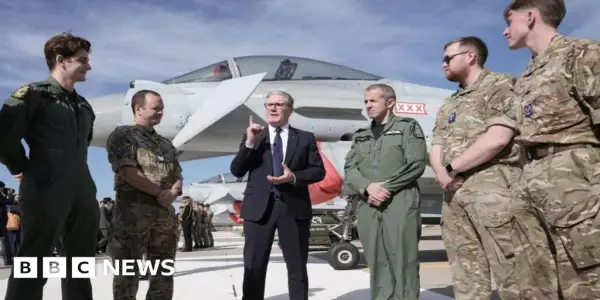
UK Finalizes £8 Billion Typhoon Fighter Jet...

Ireland Moves Forward with Bill Targeting Israeli...

US-South Korea Agreement to Develop...

WWE Raw Recap: Titles Change Hands in Thrilling...

EA Raises Concerns Over Sale to Saudi Arabia's...
Democrats Celebrate Recent Wins Amidst Internal...
Armenian Deputy Foreign Minister Visits Israel...
Hungarian Prime Minister Viktor Orban Engages...
Mamdani's Victory: A Turning Point for the...

European Automakers Face New Chip Shortage as...

Reddit Enhances App Performance with R8...
Cuba Rejects U.S. Security Threat Claims Amid...