Governor of Sinaloa State Resigns Amid U.S. Drug Trafficking Indictments
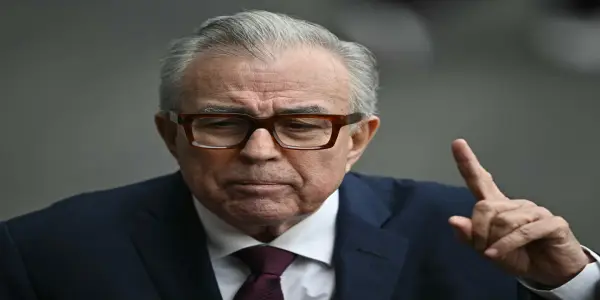
Ruben Rocha Moya steps down to defend against U.S. charges, denying allegations of cartel support amid rising tensions between Mexico and the U.S.
In-depth analysis
Background context
Ruben Rocha Moya's resignation as Sinaloa's governor follows serious drug trafficking charges from U.S. authorities, alleging his support for the Sinaloa Cartel. This indictment exacerbates existing tensions between Mexico and the U.S., highlighting the long-standing challenges both nations face in combating drug-related crime and violence.
Key political implications
Rocha Moya's resignation could undermine the ruling Morena party's credibility, prompting calls for accountability among officials. It may also affect the dynamics of U.S.-Mexico cooperation on drug enforcement.
Who gains / who loses
The U.S. government may gain leverage in its efforts to pressure Mexico into stricter drug enforcement policies. Conversely, Rocha Moya and his allies risk significant political and legal repercussions, potentially damaging their careers and public trust.
Possible future scenarios
Future developments may include additional indictments of Mexican officials as U.S. scrutiny intensifies. This could lead to heightened diplomatic tensions or a reevaluation of cooperative strategies between the two nations.
Did you know?
Why you should know this
Ruben Rocha Moya's resignation highlights the intertwining of politics and organized crime in Mexico, impacting daily life for citizens. As drug trafficking deepens, communities face rising violence and instability. The U.S. indictment signifies a potential shift in how governments address cartel influence, possibly leading to increased security measures and changes in local law enforcement practices that affect everyone.
Behind the political curtain
Before his resignation, Rocha Moya was a key figure in local governance, having previously served as a deputy in Mexico's Congress. His rapid rise within the Morena party underscores the complex relationships between political leaders and drug cartels in Sinaloa, where many officials face pressure to align with powerful criminal interests.
Ordinary person in an extraordinary situation
Maria Gonzalez, a small business owner in Culiacán, feels the weight of Rocha Moya's resignation deeply. Her family has lived in Sinaloa for generations, and the pervasive influence of drug cartels has shaped her community's fabric. With each political upheaval, Maria worries about the safety of her children and the stability of her business. The ongoing turmoil makes her daily operations unpredictable, as the threat of violence looms large over the state. Maria dreams of a peaceful future where she can contribute to her community without fear, yet she knows that political corruption complicates this vision. Her story reflects the broader struggles of ordinary citizens caught in the crossfire of political ambitions and cartel power.
Expert Commentary
Japan and Finland in Diplomatic Tension Following...
Zohran Mamdani Secures Victory in New York City...
Lessons from Ulysses S. Grant on Civil-Military...

UK Finalizes £8 Billion Typhoon Fighter Jet...

Reddit Enhances App Performance with R8...

Apple Achieves Unprecedented Financial Success in...
U.S. Extends Sanctions Relief as Syrian Leader...
US Tariffs Impact Nuevo Leon's Steel Sector,...
Iraq's Parliamentary Elections: Key Insights...
Political Reactions to BBC Leadership Changes...
Japan Protests China's Travel Advisory Amid...

China's Shift to a Cautious Research Strategy...
Contradictory Signals from Trump and Rubio on...
Jim Avila, Esteemed ABC News Correspondent, Dies...
WWE Raw Recap: Titles Change Hands in Thrilling...
Kenya Urges Protection for Citizens Amid...
Hungarian Prime Minister Viktor Orban Engages...
Texas Governor Abbott Designates CAIR as a...
The Impact of Trump's Second Year: A Year of...
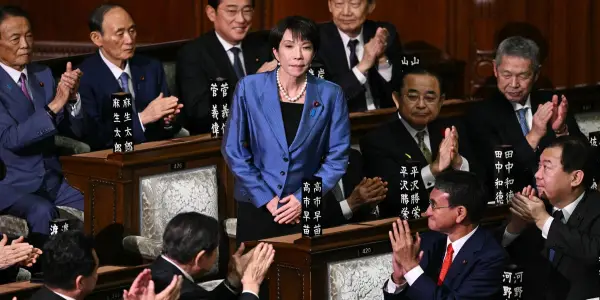
Japan Reacts Strongly to China's Travel Advisory...
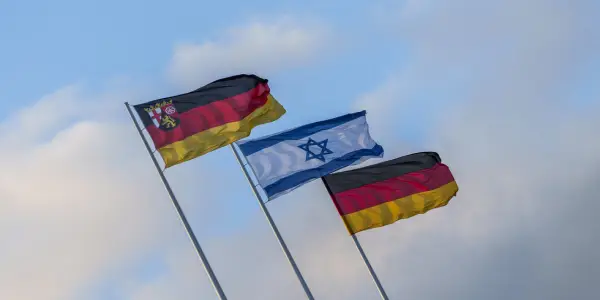
Germany Resumes Arms Exports to Israel Amid...
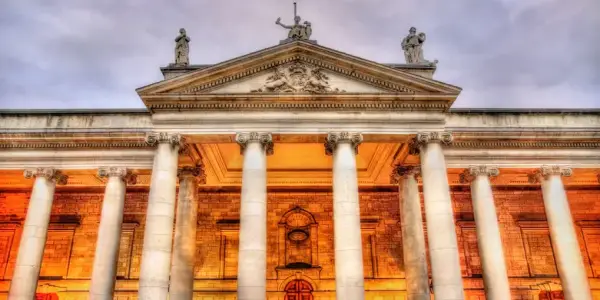
Ireland Moves Forward with Bill Targeting Israeli...
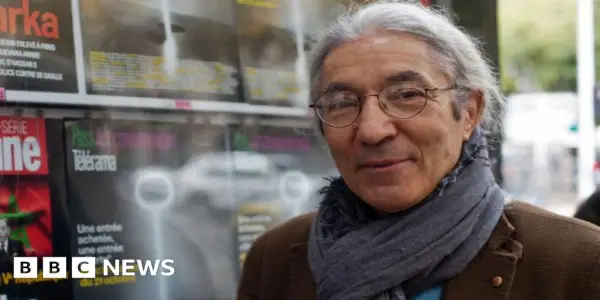
Algeria Grants Pardon to Jailed Novelist Boualem...
U.S. Embassies Redefine Human Rights:...
Bhutan's Complex Relationship with India: A...

Isaac Asimov's Perspective on Star Trek: A Sci-Fi...
New Yorkers Kick Off Early Voting for Mayoral...

Jetpack Navigation 3 Achieves Stability for...
Democrats Celebrate Recent Wins Amidst Internal...
Mark Carney Discusses Political Transition During...
Trump Appoints Special Envoy to Greenland,...
Saudi Crown Prince Mohammed bin Salman Set for...

The 1969 Sino-Soviet Border Conflict: A Near Miss...

Examining Trump's Claims of Resolving Conflicts:...
Spain's Attorney General Convicted in...

Armenian Deputy Foreign Minister Visits Israel...
Italy's Meloni Engages with Qatar Emir on Energy...

The Fate of the Maquis in Star Trek: A Missed...
Denmark's Prime Minister Advocates for Stricter...