Denmark Faces Strained Relations with the U.S. Amid Greenland Tensions

Once a steadfast ally, Denmark is now navigating a complex relationship with the U.S., marked by threats over Greenland and challenges to its wind-power sector. Margaret Talbot reports.
In-depth analysis
Background context
The historically robust relationship between Denmark and the United States is facing unprecedented challenges. Provocative comments from U.S. President Donald Trump regarding Greenland's acquisition and criticism of Denmark's wind-power initiatives have intensified tensions, leading to a reevaluation of diplomatic ties that have long been marked by mutual respect and cooperation.
Key political implications
The current strain in U.S.-Denmark relations may disrupt existing trade agreements and collaborative climate initiatives, signaling a potential shift in alliances and international partnerships that could reshape regional dynamics.
Who gains / who loses
Denmark's growing nationalism may strengthen domestic political movements advocating for sovereignty, while the U.S. risks alienating a historically supportive ally. This shift could diminish American influence in the region, impacting both nations' strategic interests.
Possible future scenarios
Should tensions continue, Denmark may seek to diversify its international partnerships, potentially aligning more closely with other European nations. Conversely, a diplomatic resolution could restore ties, reaffirming their longstanding alliance.
Did you know?
Why you should know this
The evolving relationship between Denmark and the U.S. could affect everything from trade deals to climate initiatives. For everyday Danes, this tension might influence everything from job security in the wind-power sector to the cost of goods imported from the U.S. As both nations grapple with shifting loyalties, the consequences of these diplomatic strains could ripple into daily life.
Behind the political curtain
Despite being a loyal U.S. ally, Denmark has a unique position within NATO: it maintains one of the highest ratios of military personnel deployed abroad relative to its population. This has led to a strong public commitment to international cooperation, making the current tensions with the U.S. even more surprising to many Danes.
Ordinary person in an extraordinary situation
Mette Jensen, a 34-year-old wind turbine technician in Aarhus, feels the impact of U.S.-Danish tensions on her work. With her job closely tied to the energy sector, she worries that Trump's remarks could jeopardize future investments in renewable energy. ‘It feels surreal,’ she says, ‘to be working in an industry celebrated for its innovation yet feel threatened by a powerful ally.’ Mette’s story reflects a broader sentiment among Danes who once embraced their close ties with the U.S. but now find themselves questioning the stability of their partnership. As she navigates these uncertainties, Mette grapples with her identity as both a proud Dane and a global citizen committed to fighting climate change.
Expert Commentary
I genuinely feel bad for Denmark. Here’s a country that sent troops to stand beside America after 9/11, shed blood in Afghanistan, and believed in the alliance—only to be rewarded with threats and mockery over Greenland. It’s not just insulting; it’s humiliating. If you alienate friends this loyal, you don’t end up stronger—you end up alone. Trust takes years to build and seconds to shatter.

European Automakers Face New Chip Shortage as...
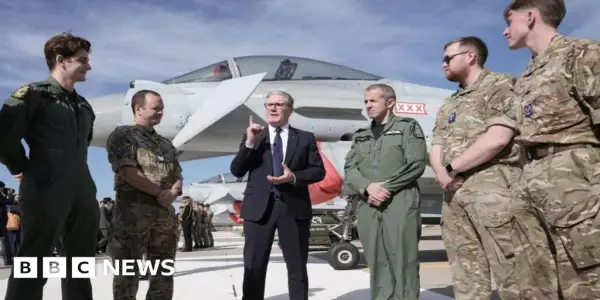
UK Finalizes £8 Billion Typhoon Fighter Jet...
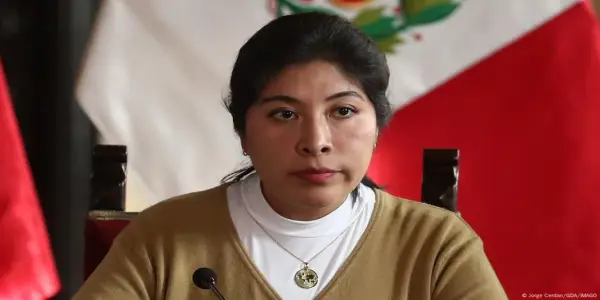
Peru Sever Diplomatic Relations with Mexico Amid...
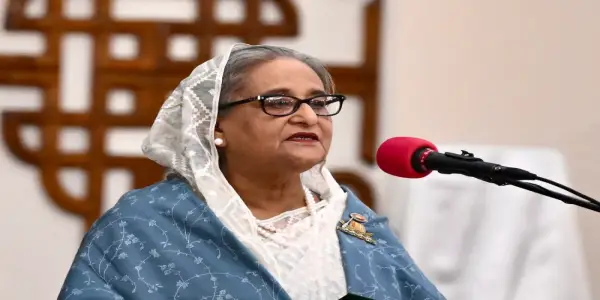
Bangladesh's International Crimes Tribunal...

Challenges Faced by Costumes in 'Mighty Morphin...

Baden Bower Reduces Pitch-to-Publish Timeline by...
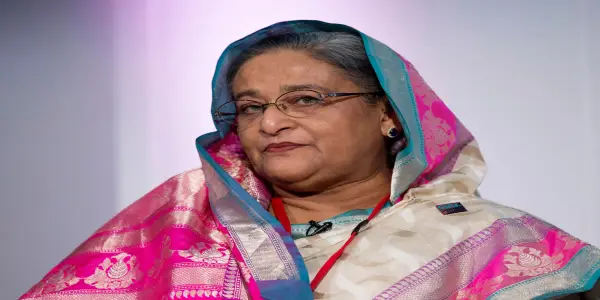
Bangladesh Seeks India's Assistance in...
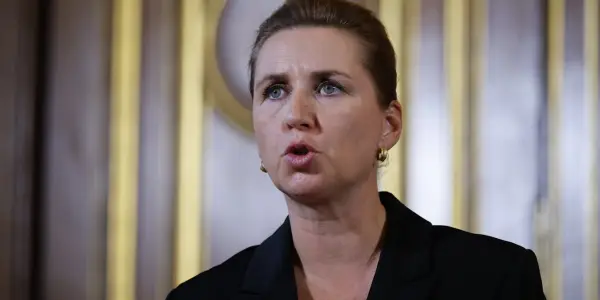
Denmark's Prime Minister Advocates for Stricter...

The Rise of Technocracy in Modern Governance
Six Finalists Announced for the 2026...
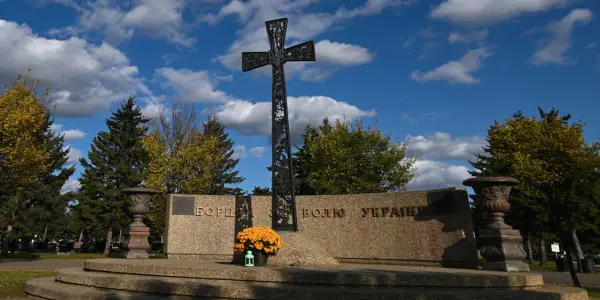
Canada Decides Against Public Disclosure of Nazi...

Isaac Asimov's Perspective on Star Trek: A Sci-Fi...

Comet 3I/ATLAS Continues to Mystify Scientists...

New Advocacy Report Urges Action Against Child...

Saudi Crown Prince Mohammed bin Salman Set for...
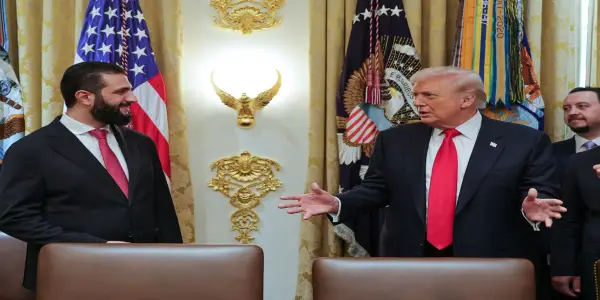
U.S. Extends Sanctions Relief as Syrian Leader...
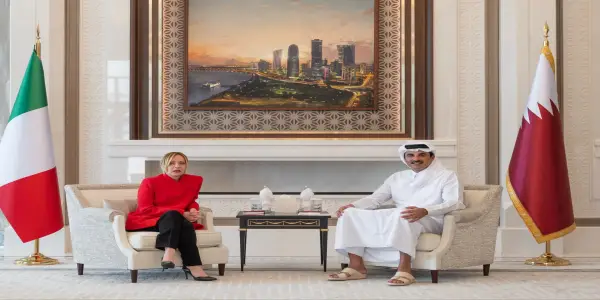
Italy's Meloni Engages with Qatar Emir on Energy...
Mamdani's Victory: A Turning Point for the...

Political Reactions to BBC Leadership Changes...
Egypt Affirms Commercial Nature of Gas Agreement...
Khamenei Assassination: A Pivotal Shift in...
U.S. Authorities Detain British Journalist Linked...
Indian Trade Unions Rally Against New Labour...
Exiled Russian Orthodox Leader Responds to Spying...
South Africa's G20 Presidency: A Mixed Legacy of...
Cuba Rejects U.S. Security Threat Claims Amid...
Iraq's Parliamentary Elections: Key Insights...
Javier Milei's Victory Signals a Shift in...
South Korea Rebuilds Trust and Reassesses Foreign...
Bangladesh's Upcoming Election: Key Political...
Zohran Mamdani Secures Victory in New York City...
Examining Trump's Claims of Resolving Conflicts:...
U.S. Embassies Redefine Human Rights:...
Hungarian Prime Minister Viktor Orban Engages...
Saudi Crown Prince's Invitation to the White...
Cuban Authorities Engage in Deadly Clash with...

The Evolving Landscape of Copyright Enforcement...
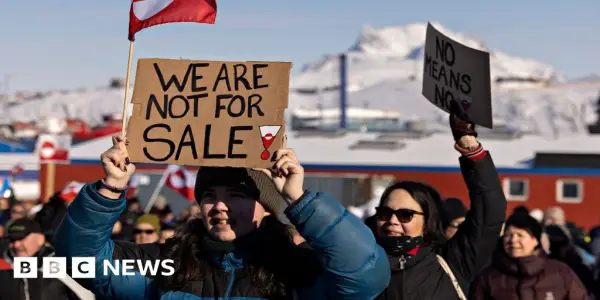
European Allies Stand Firm with Denmark Amid U.S....
The 1969 Sino-Soviet Border Conflict: A Near Miss...
The Role of Palestinian Statehood in Advancing...