Jin Mingri, Leader of China's Underground Zion Church, Released from Detention

Jin Mingri's release from a Chinese prison follows international advocacy, raising hopes for improved religious freedoms in the country.
In-depth analysis
Background context
Jin Mingri, a key figure in the Zion Church, has been released from prison in the U.S. after significant international advocacy. His imprisonment was part of a broader crackdown on unregistered religious groups in China, which has historically enforced strict regulations on religious practices. The Zion Church was banned in 2018, escalating tensions with authorities.
Key political implications
Jin's release may indicate a shift in international relations, particularly between the U.S. and China, as it underscores the growing global scrutiny of China's human rights practices.
Who gains / who loses
Jin's release benefits advocates for religious freedom and human rights, potentially empowering similar movements within China. However, the Chinese government may perceive this as a loss of control over religious practices, which could lead to further crackdowns on dissent.
Possible future scenarios
Jin's freedom might encourage increased international pressure on China regarding human rights. Conversely, it could provoke a harsher response from Chinese authorities, potentially leading to intensified repression of unregistered religious groups.
Did you know?
Why you should know this
Jin Mingri's release is more than a personal victory; it symbolizes a pivotal moment in the global fight for religious freedom. For many, this story highlights the real dangers faced by individuals advocating for their beliefs. As communities grow increasingly aware of these issues, Jin's case serves as a reminder to support human rights and challenge repressive regimes, fostering a culture of advocacy and awareness.
Behind the political curtain
Despite the Chinese government's tight control over religious practices, Jin's Zion Church had reportedly amassed a following of over 10,000 members before its ban in 2018. This demonstrates the growing grassroots support for unregistered religious organizations, challenging the state's narrative and showcasing the resilience of faith in oppressive environments.
Ordinary person in an extraordinary situation
Meet Lian Chen, a 34-year-old mother of two and active member of the Zion Church in Beijing. During Jin's imprisonment, Lian organized community prayers and rallies, risking her own safety to advocate for his release. She describes the emotional toll this struggle took on her family, as her children often asked why their faith leader was gone. Lian believes Jin's release not only brings hope for her church but also ignites a spark in the broader fight for freedom of belief in China. Her determination illustrates how ordinary individuals can become powerful advocates in the face of adversity, reminding us that every voice matters in the quest for justice.
Expert Commentary
Jin Mingri's release from prison underscores the complex interplay between religious freedom and international diplomacy in China. His case highlights not only the Chinese government's stringent controls over unregistered religious groups but also the potential for international pressure to effect change. While Jin's freedom is a beacon of hope for advocates of religious liberty, it serves as a stark reminder that many remain imprisoned for their beliefs. The silence from Chinese officials following his release invites speculation about the broader implications for U.S.-China relations, particularly as global attention on human rights in China intensifies. This moment could catalyze further dialogue, but the situation remains precarious for those still facing persecution.

Canada and China Take Steps Toward Repairing...

Geopolitical Tensions Surround Palau Amid...

Canada Decides Against Public Disclosure of Nazi...

Political Reactions to BBC Leadership Changes...
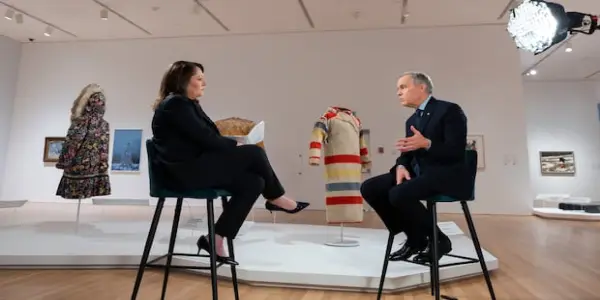
Mark Carney Discusses Political Transition During...

Bhutan's Complex Relationship with India: A...
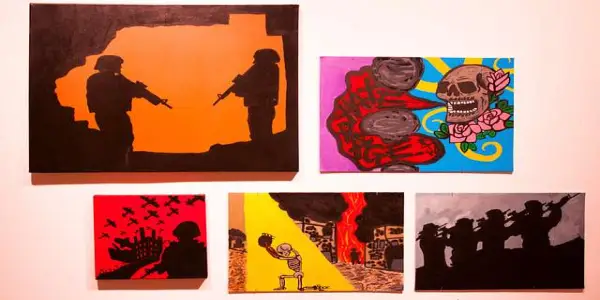
Misjudgments in Military Strategy: The Lessons...

Golden Snub-Nosed Monkeys Make European Debut in...

Italy's Meloni Engages with Qatar Emir on Energy...

Denmark's Prime Minister Advocates for Stricter...

New England Senators Play Crucial Role in...

Canada's Carney to Meet Xi in China, Signaling a...

Challenges Faced by Costumes in 'Mighty Morphin...
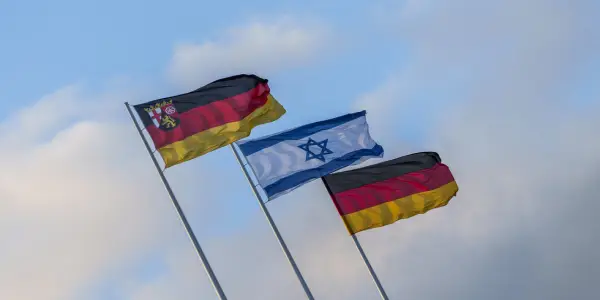
Germany Resumes Arms Exports to Israel Amid...

Mamdani Emerges Victorious in NYC Mayoral Race...

Isaac Asimov's Perspective on Star Trek: A Sci-Fi...
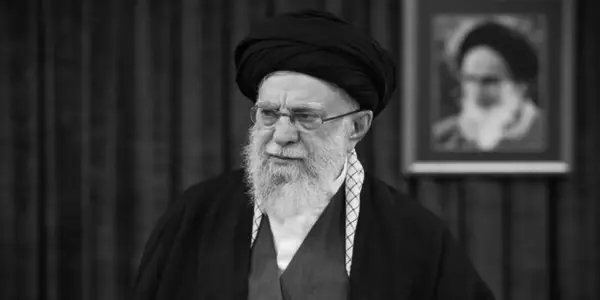
Khamenei Assassination: A Pivotal Shift in...

New Yorkers Kick Off Early Voting for Mayoral...

Revitalizing Relations: The Future of the...

Exiled Russian Orthodox Leader Responds to Spying...

Sias University Adapts to Modern Educational...

Is the U.S. Reassessing Its Stance on Israel...

Jetpack Navigation 3 Achieves Stability for...

Trump Appoints Special Envoy to Greenland,...

Spain's Attorney General Convicted in...
South Korea Rebuilds Trust and Reassesses Foreign...
Six Finalists Announced for the 2026...
Syria's Foreign Minister Visits China to...

NASA Unveils Stunning Images of Interstellar...

US Tariffs Impact Nuevo Leon's Steel Sector,...

Baden Bower Reduces Pitch-to-Publish Timeline by...

Egypt Affirms Commercial Nature of Gas Agreement...

Bangladesh's International Crimes Tribunal...

Ireland Moves Forward with Bill Targeting Israeli...

Indian Trade Unions Rally Against New Labour...
Russian and Indian Foreign Ministers Convene...

The Rise of Technocracy in Modern Governance

Algeria Grants Pardon to Jailed Novelist Boualem...

Cuba Rejects U.S. Security Threat Claims Amid...

The Impact of Trump's Second Year: A Year of...