Pakistan's Strategic Role in the US-Iran Negotiations: Potential Gains and Challenges
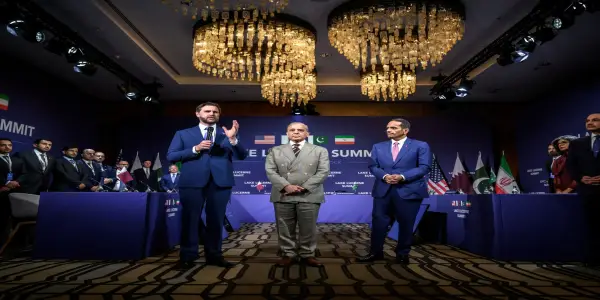
Pakistan aims to leverage the US-Iran rapprochement for economic benefits, energy access, and enhanced regional standing amidst ongoing political complexities.
In-depth analysis
Background context
Pakistan's historical role in regional diplomacy has often placed it at the intersection of U.S. and Iranian interests. Following the 2018 U.S. withdrawal from the Iran nuclear deal, Pakistan has increasingly positioned itself as a mediator, facilitating dialogue amidst rising tensions and seeking to bolster its own economic stability through strategic engagements.
Key political implications
Pakistan's involvement in U.S.-Iran negotiations may enhance its diplomatic stature, but it also risks entangling Islamabad in complex geopolitical rivalries that could challenge its neutrality and influence in the region.
Who gains / who loses
While Pakistan may benefit economically from a potential reduction in energy import costs and the revival of stalled projects like the Iran-Pakistan gas pipeline, its marginalized regions, particularly Balochistan, may not see equitable gains, risking further social unrest.
Possible future scenarios
If Pakistan successfully navigates its role as a mediator, it could enhance economic opportunities and regional stability. Conversely, failure to secure meaningful concessions may exacerbate internal disparities and diminish its diplomatic credibility.
Did you know?
Why you should know this
Understanding Pakistan's role as a mediator between the U.S. and Iran can have direct implications for global energy prices and regional stability. As tensions ease, there could be a significant impact on the cost of oil and gas, affecting everything from transportation to household energy bills. For consumers, this could mean more predictable energy costs and improved economic conditions.
Behind the political curtain
In 2019, Pakistan’s Prime Minister Imran Khan facilitated backchannel talks between Iran and Saudi Arabia, showcasing Islamabad's historical role as a mediator in the region. This lesser-known effort laid the groundwork for current diplomatic engagements, highlighting Pakistan’s strategic positioning in Middle Eastern politics.
Ordinary person in an extraordinary situation
In Lahore, Amina Raza, a small business owner, feels the weight of geopolitical decisions on her daily life. Her café, which relies heavily on imported goods, has seen prices spike due to fluctuating energy costs. Amina hopes that the U.S.-Iran talks lead to economic stability, which would allow her to keep her prices affordable for customers. She recalls how her grandmother used to share stories of Pakistan’s diplomatic efforts in the past, igniting a sense of pride and hope in her heart. While she understands the complexities of international relations, her focus remains on the local impact of these discussions. For Amina, a successful mediation could mean not just lower costs, but also a brighter future for her business and community.
Expert Commentary

Revitalizing Relations: The Future of the...
European Automakers Face New Chip Shortage as...
Algeria Grants Pardon to Jailed Novelist Boualem...
Russian and Indian Foreign Ministers Convene...
Italy's Meloni Engages with Qatar Emir on Energy...

Czech President Appoints Billionaire Former Prime...

Challenges Faced by Costumes in 'Mighty Morphin...
Mark Carney Discusses Political Transition During...
AfD Leader Raises Concerns Over Potential Threats...

Golden Snub-Nosed Monkeys Make European Debut in...

Mamdani Emerges Victorious in NYC Mayoral Race...
The Rise of Technocracy in Modern Governance
Nevada's Governor's Office Allegedly Intervened...

U.S. Lawmakers Express Concerns Over Trump...
Cuban Authorities Engage in Deadly Clash with...

Apple Achieves Unprecedented Financial Success in...
South Korea Initiates First Military Talks with...
Cuba Rejects U.S. Security Threat Claims Amid...
Canada and China Take Steps Toward Repairing...
Texas Governor Abbott Designates CAIR as a...
Saudi Crown Prince Mohammed bin Salman Set for...
Jared Isaacman Renominated as NASA Administrator...
Switzerland Faces Economic Challenges Amid U.S....
Examining Trump's Claims of Resolving Conflicts:...
Indian Trade Unions Rally Against New Labour...

Isaac Asimov's Perspective on Star Trek: A Sci-Fi...
Six Finalists Announced for the 2026...
Zohran Mamdani's Vision for Global Municipal...
Hungarian Prime Minister Viktor Orban Engages...
Ireland Moves Forward with Bill Targeting Israeli...
Egypt Affirms Commercial Nature of Gas Agreement...
Kenya Urges Protection for Citizens Amid...
Khamenei Assassination: A Pivotal Shift in...
Jim Avila, Esteemed ABC News Correspondent, Dies...
European Allies Stand Firm with Denmark Amid U.S....
South Korea Rebuilds Trust and Reassesses Foreign...
Canada Decides Against Public Disclosure of Nazi...
The 1969 Sino-Soviet Border Conflict: A Near Miss...
Syria's Foreign Minister Visits China to...