Armenia's Parliamentary Election Sees Pashinyan's Civil Contract Party Secure Victory

Nikol Pashinyan's Civil Contract party secures nearly 50 percent of the vote in Armenia's parliamentary elections, signaling a pro-European direction.
In-depth analysis
Background context
Armenia has recently undergone a significant political shift following the parliamentary elections, where Prime Minister Nikol Pashinyan's Civil Contract party secured nearly 50 percent of the vote. This election comes amid heightened tensions with Azerbaijan and a strategic pivot away from Russia towards Western alliances, reflecting a critical juncture in the nation's geopolitical landscape.
Key political implications
Pashinyan's victory underscores a growing public endorsement of a pro-European foreign policy, signaling a potential reconfiguration of Armenia's alliances that may influence regional stability and security dynamics.
Who gains / who loses
The Civil Contract party emerges as the clear winner, reinforcing Pashinyan's mandate for reform, while the Strong Armenia bloc and other opposition parties face significant setbacks. This electoral outcome diminishes the influence of dissenting voices within Armenia's political landscape.
Possible future scenarios
Moving forward, Armenia may continue to deepen its ties with the EU and the U.S., potentially leading to further estrangement from Russia. Alternatively, unresolved tensions with Azerbaijan could challenge Pashinyan's government and complicate foreign relations.
Did you know?
Why you should know this
Armenia's recent election results carry implications far beyond its borders, affecting regional stability and international alliances. As Prime Minister Pashinyan's government pushes for closer ties with the West, citizens could experience shifts in trade, security, and cultural exchanges. For everyday Armenians, this could mean new opportunities in business and travel, as well as a potential redefinition of national identity.
Behind the political curtain
While many are aware of Pashinyan's pro-European agenda, few know that the Civil Contract party's victory marks a significant departure from Armenia's long-standing reliance on Russian military and economic support, a relationship that has spanned decades. This shift places Armenia at a crossroads, balancing historical ties with aspirations for a more autonomous future.
Ordinary person in an extraordinary situation
Take the story of Anna, a 32-year-old teacher in Yerevan. For her, the election results felt like a glimmer of hope amidst years of political turmoil. Having watched her country struggle with external threats and internal discord, she welcomed Pashinyan's victory as a chance for renewed optimism. Anna believes that a pro-European stance could lead to improved educational opportunities and cultural exchanges for her students. Yet, she also feels the weight of uncertainty, as the ongoing conflict with Azerbaijan looms large. For Anna, the election signals not just a political outcome, but a potential transformation in the lives of ordinary citizens like herself, caught in a pivotal moment of change.
Expert Commentary

Geopolitical Tensions Surround Palau Amid...
Bangladesh's International Crimes Tribunal...
Japan Reacts Strongly to China's Travel Advisory...

Democrats Celebrate Recent Wins Amidst Internal...

U.S. Embassies Redefine Human Rights:...

Spain's Attorney General Convicted in...

European Allies Stand Firm with Denmark Amid U.S....
Russian and Indian Foreign Ministers Convene...

Reddit Enhances App Performance with R8...
Kenya Urges Protection for Citizens Amid...
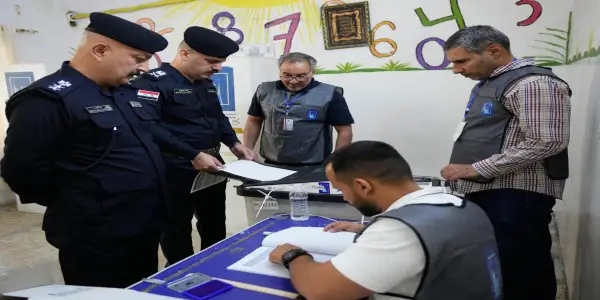
Iraq's Parliamentary Elections: Key Insights...

Baden Bower Reduces Pitch-to-Publish Timeline by...

Ireland Moves Forward with Bill Targeting Israeli...
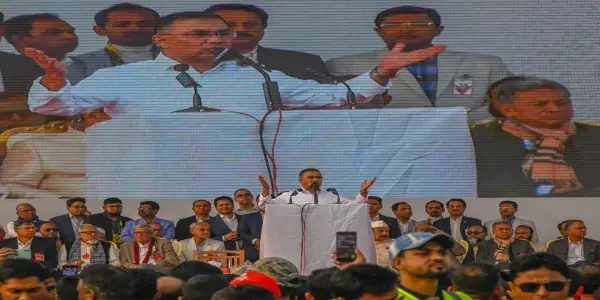
Tarique Rahman's Homecoming: A Potential Turning...

Contradictory Signals from Trump and Rubio on...
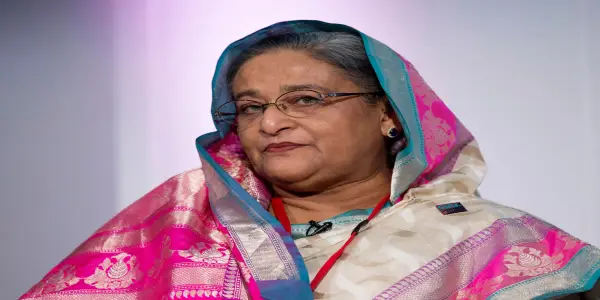
Bangladesh Seeks India's Assistance in...

Revitalizing Relations: The Future of the...

Is the U.S. Reassessing Its Stance on Israel...
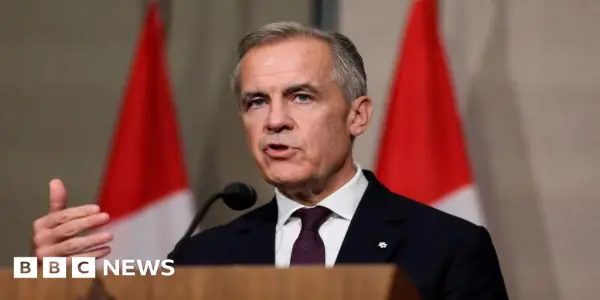
Canada's Carney to Meet Xi in China, Signaling a...

Political Reactions to BBC Leadership Changes...

New Yorkers Kick Off Early Voting for Mayoral...
Limited Expectations as Trump and Xi Approach...

Exploring Intimacy and Isolation in Claire-Louise...

The Evolving Landscape of Copyright Enforcement...
Key Insights from Trump's National Security...

AfD Leader Raises Concerns Over Potential Threats...

EA Raises Concerns Over Sale to Saudi Arabia's...
Canada and China Take Steps Toward Repairing...

Comet 3I/ATLAS Continues to Mystify Scientists...

Cuban Authorities Engage in Deadly Clash with...

Golden Snub-Nosed Monkeys Make European Debut in...

South Africa's G20 Presidency: A Mixed Legacy of...

Apple Achieves Unprecedented Financial Success in...

Zohran Mamdani Secures Victory in New York City...

European Automakers Face New Chip Shortage as...

Denmark's Prime Minister Advocates for Stricter...

Lessons from Ulysses S. Grant on Civil-Military...

US-South Korea Agreement to Develop...

U.S. Lawmakers Express Concerns Over Trump...

Peru Sever Diplomatic Relations with Mexico Amid...