Lessons from Ulysses S. Grant on Civil-Military Relations for Today’s Leaders
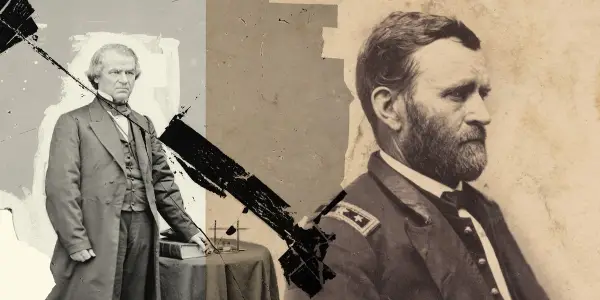
Explore how Ulysses S. Grant's lessons on civilian control over the military can guide today's leaders in navigating modern civil-military relations in America.
In-depth analysis
Background context
The discourse on civilian-military relations in the United States has intensified, drawing parallels to the post-Civil War era. Historical insights, particularly from Ulysses S. Grant's leadership during Reconstruction, highlight the challenges of military involvement in domestic affairs and the vital principle of civilian oversight in maintaining democratic integrity.
Key political implications
The current debate over military intervention in civilian matters underscores the potential erosion of democratic norms and the risks associated with politicizing military actions, which could destabilize governance.
Who gains / who loses
Political leaders who advocate for military involvement may gain short-term support from constituents seeking security. However, this approach risks alienating civil rights advocates and undermining public trust in government institutions.
Possible future scenarios
If military involvement in domestic issues continues, tensions may escalate between civilian and military authorities, potentially leading to a constitutional crisis and a reevaluation of the boundaries of military power in governance.
Did you know?
Why you should know this
Understanding the evolution of civilian-military relations is crucial as it directly impacts the balance of power in everyday governance. Recent events, like National Guard deployments during protests, highlight how military involvement can influence community safety and civil rights. Recognizing this history helps citizens grasp the significance of military actions in domestic crises and their long-term implications on democracy.
Behind the political curtain
A lesser-known fact about Ulysses S. Grant is that he initially believed in a more lenient approach to the South, reflecting a complex view that evolved under pressure. His eventual commitment to enforcing Reconstruction laws marked a turning point in military engagement in domestic affairs, contrasting sharply with earlier strategies.
Ordinary person in an extraordinary situation
Meet Angela, a high school history teacher in Atlanta, who often discusses the Reconstruction era with her students. Recently, during a lesson on Ulysses S. Grant, she felt an emotional connection to the struggles of that time, especially as she drew parallels to current events. Angela saw her community grappling with civil rights issues that echoed the past. One night, while attending a local protest advocating for equality, she was struck by the presence of National Guard troops. Instead of feeling safe, she felt a deep unease about the militarization of her community. Angela’s experience illustrates how the historical tensions between civilian authority and military power can resonate in the lives of everyday citizens today, prompting her to encourage her students to engage thoughtfully in civic discourse.
Expert Commentary
The Legacy of French Colonialism: Language and...
Mamdani's Victory: A Turning Point for the...

Cuban Authorities Engage in Deadly Clash with...
Canada Decides Against Public Disclosure of Nazi...
Italy's PM Meloni Responds Firmly to Trump's...

Ireland Moves Forward with Bill Targeting Israeli...

Isaac Asimov's Perspective on Star Trek: A Sci-Fi...
US Tariffs Impact Nuevo Leon's Steel Sector,...

US-South Korea Agreement to Develop...

Algeria Grants Pardon to Jailed Novelist Boualem...

Spain's Attorney General Convicted in...

South Korea Initiates First Military Talks with...

Challenges Faced by Costumes in 'Mighty Morphin...

The Evolving Landscape of Copyright Enforcement...
Hungarian Prime Minister Viktor Orban Engages...
Egypt Affirms Commercial Nature of Gas Agreement...
Russian and Indian Foreign Ministers Convene...
Misjudgments in Military Strategy: The Lessons...
Jim Avila, Esteemed ABC News Correspondent, Dies...
Italy's Meloni Engages with Qatar Emir on Energy...

Reddit Enhances App Performance with R8...

WWE Raw Recap: Titles Change Hands in Thrilling...
U.S. Lawmakers Express Concerns Over Trump...

Trump Appoints Special Envoy to Greenland,...

Peru Sever Diplomatic Relations with Mexico Amid...

Revitalizing Relations: The Future of the...
UK Finalizes £8 Billion Typhoon Fighter Jet...

The 1969 Sino-Soviet Border Conflict: A Near Miss...

Exploring Intimacy and Isolation in Claire-Louise...
South Korea Rebuilds Trust and Reassesses Foreign...
European Allies Stand Firm with Denmark Amid U.S....
Trump Addresses Nuclear Testing, Government...
Colombia's ELN Rebels Intensify Military Drills...
Saudi Crown Prince's Invitation to the White...
Is the U.S. Reassessing Its Stance on Israel...

Apple Achieves Unprecedented Financial Success in...

Geopolitical Tensions Surround Palau Amid...
Switzerland Faces Economic Challenges Amid U.S....
Sias University Adapts to Modern Educational...

The Fate of the Maquis in Star Trek: A Missed...