UK Finalizes £8 Billion Typhoon Fighter Jet Agreement with Turkey
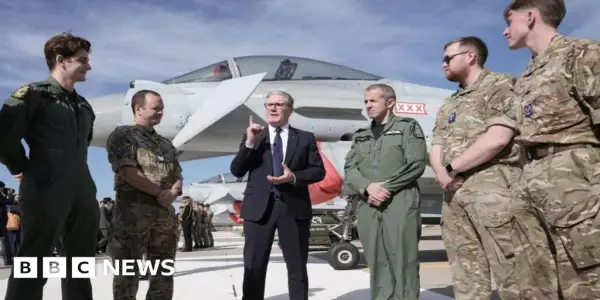
The UK secures an £8 billion deal to supply Turkey with Typhoon fighter jets, enhancing NATO security and boosting defense cooperation during PM Starmer's A...
In-depth analysis
Background context
The UK has secured an £8 billion deal to supply Turkey with Typhoon fighter jets, the largest such export agreement in nearly 20 years. Prime Minister Sir Keir Starmer announced the deal during his visit to Ankara, highlighting its significance for British jobs and defense cooperation, while also reinforcing NATO's collective security framework.
Key political implications
This agreement solidifies defense ties between the UK and Turkey, potentially influencing NATO's strategic posture in the region and reinforcing the alliance's commitment to collective security.
Who gains / who loses
The UK defense sector stands to gain significantly from this deal, creating thousands of jobs and enhancing industrial capabilities. Conversely, countries opposed to Turkey's military expansion may view this agreement unfavorably, perceiving it as a threat to regional stability.
Possible future scenarios
The successful implementation of this deal could pave the way for further military collaborations between NATO allies, while also prompting rival nations to bolster their own defense capabilities in response.
Did you know?
Why you should know this
This £8 billion deal for Typhoon fighter jets represents more than just military hardware; it promises to create thousands of jobs across the UK, impacting local economies from Warton to Bristol. As geopolitical tensions rise, understanding these defense agreements is crucial, as they directly affect national security, employment, and the UK's role in global military alliances.
Behind the political curtain
While the deal is significant for its size, less known is that the Typhoon jet program was originally intended as a collaborative project to reduce costs. However, differing military priorities among partner nations often lead to complex negotiations, making this agreement a notable exception in achieving consensus.
Ordinary person in an extraordinary situation
Meet Emma, a single mother and BAE Systems employee in Warton. With the announcement of the Typhoon deal, Emma feels a renewed sense of hope for her family's future. As a skilled technician, she has seen her job security fluctuate due to defense budget cuts. The prospect of thousands of new jobs not only means stability for her but also the possibility of mentorship roles for the younger generation in her community. 'It’s not just about the jets; it’s about our lives,' she says. For Emma, this deal signifies a turning point not just for the defense sector, but for the families it supports.
Expert Commentary
Key Insights from Trump's National Security...
Denmark's Prime Minister Advocates for Stricter...

Exploring Intimacy and Isolation in Claire-Louise...

Lessons from Ulysses S. Grant on Civil-Military...

Comet 3I/ATLAS Continues to Mystify Scientists...
Czech President Appoints Billionaire Former Prime...
Russian and Indian Foreign Ministers Convene...

Isaac Asimov's Perspective on Star Trek: A Sci-Fi...

Reddit Enhances App Performance with R8...

Apple Achieves Unprecedented Financial Success in...

Jared Isaacman Renominated as NASA Administrator...

Trump Appoints Special Envoy to Greenland,...

Revitalizing Relations: The Future of the...
Exiled Russian Orthodox Leader Responds to Spying...
U.S. Embassies Redefine Human Rights:...
Egypt Affirms Commercial Nature of Gas Agreement...
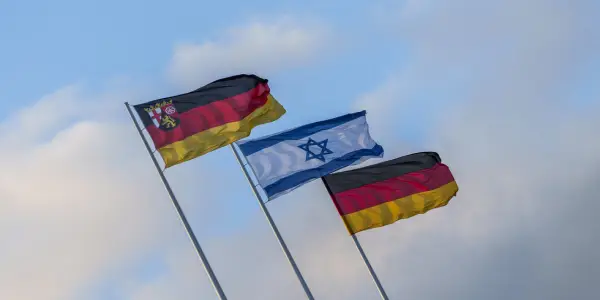
Germany Resumes Arms Exports to Israel Amid...

New Advocacy Report Urges Action Against Child...

Bhutan's Complex Relationship with India: A...

NASA Unveils Stunning Images of Interstellar...
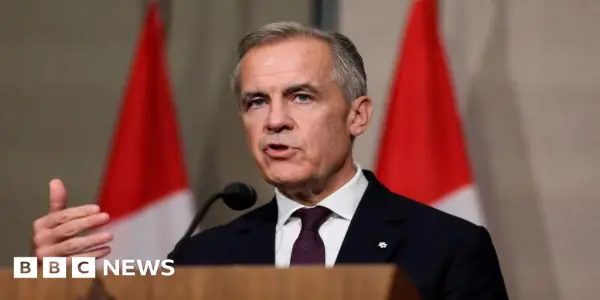
Canada's Carney to Meet Xi in China, Signaling a...

Peru Sever Diplomatic Relations with Mexico Amid...
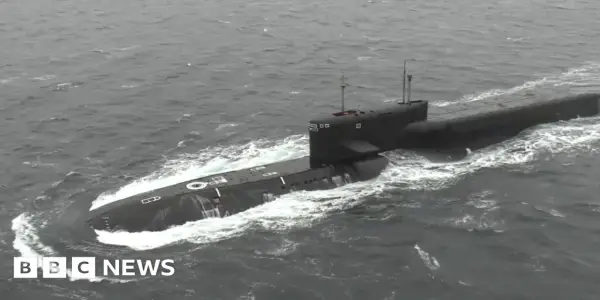
US-South Korea Agreement to Develop...
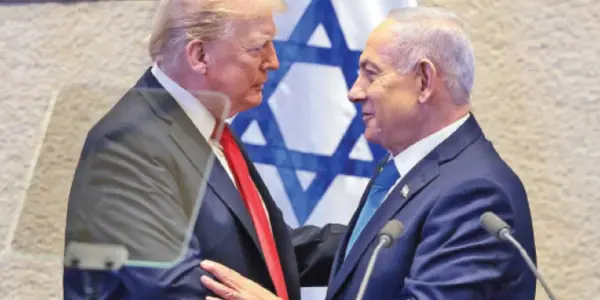
Is the U.S. Reassessing Its Stance on Israel...

Canada Decides Against Public Disclosure of Nazi...

Spain's Attorney General Convicted in...

Misjudgments in Military Strategy: The Lessons...

The Fate of the Maquis in Star Trek: A Missed...
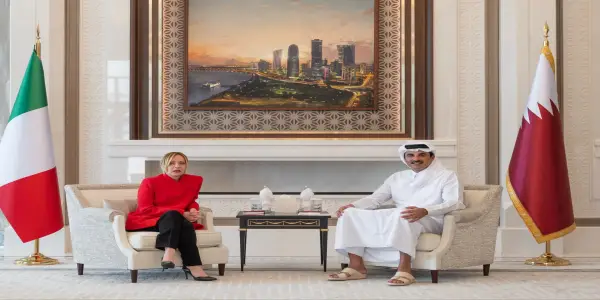
Italy's Meloni Engages with Qatar Emir on Energy...
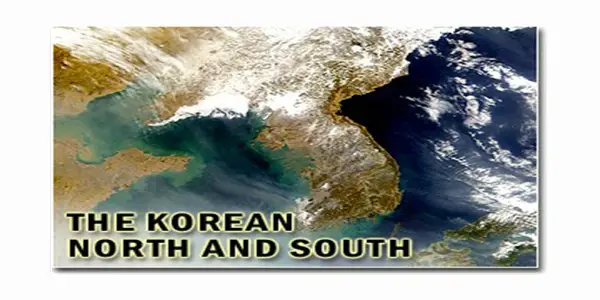
South Korea Initiates First Military Talks with...
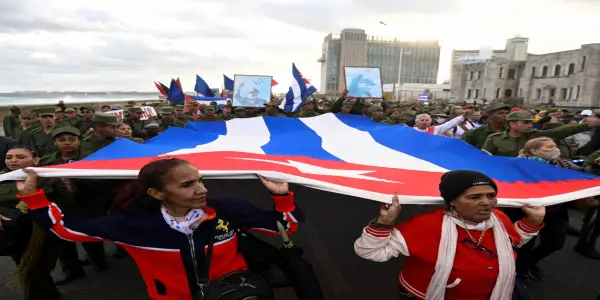
Cuba Rejects U.S. Security Threat Claims Amid...

Japan and Finland in Diplomatic Tension Following...
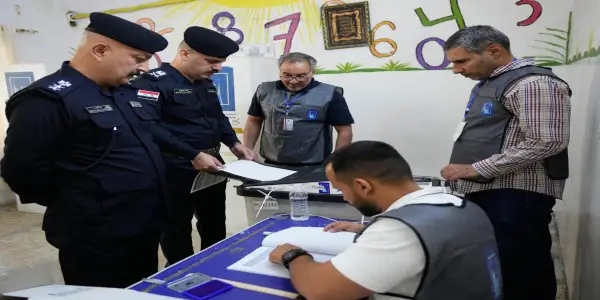
Iraq's Parliamentary Elections: Key Insights...

Mamdani Emerges Victorious in NYC Mayoral Race...

Indian Trade Unions Rally Against New Labour...

China's Shift to a Cautious Research Strategy...

Nevada's Governor's Office Allegedly Intervened...
Kenya Urges Protection for Citizens Amid...

Golden Snub-Nosed Monkeys Make European Debut in...

The Rise of Technocracy in Modern Governance