Trump's Vision for Global Order Challenges Europe’s Strategic Choices
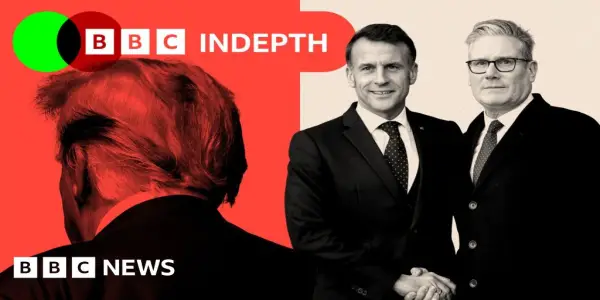
The evolving geopolitical landscape, highlighted by U.S. actions in Venezuela and discussions surrounding Greenland, reflects a transformative U.S. stance on global governance, prompting European nations to reconsider their alliances.
In-depth analysis
Background context
The U.S. foreign policy shift under the Trump administration has prompted Europe to reconsider its strategic alliances and security commitments. Historically anchored by NATO and shared democratic values, this partnership is now challenged by a U.S. National Security Strategy that critiques the established international order, raising concerns about future transatlantic relations.
Key political implications
This strategic pivot signals a potential decline in U.S. support for European defense and human rights advocacy, compelling European nations to reassess their security strategies and defense expenditures.
Who gains / who loses
European nations may face increased pressure to enhance their military capabilities, while authoritarian regimes could benefit from a U.S. foreign policy that prioritizes national interests over democratic values. The shift may embolden adversaries like Russia and China, potentially destabilizing the region.
Possible future scenarios
Europe may pursue greater defense autonomy, leading to a redefined NATO role. Alternatively, if U.S. policy continues to diverge, Europe could seek new alliances, potentially reshaping global geopolitical dynamics.
Did you know?
Why you should know this
The shift in U.S. foreign policy significantly impacts European nations, compelling them to reassess their defense strategies and alliances. As the U.S. steps back from its role as a global democracy promoter, Europeans may need to invest more in their military capabilities. This change could directly affect security issues that resonate with everyday citizens, from energy prices to migration challenges.
Behind the political curtain
Despite the longstanding NATO alliance, many European countries have historically contributed less to their own defense budgets than the U.S. This has created a reliance on American military support, leaving many nations vulnerable as U.S. priorities shift away from Europe.
Ordinary person in an extraordinary situation
Take Anna Schneider, a schoolteacher in Berlin, who has seen her students become increasingly aware of global politics. With the U.S. stepping back from its role in Europe, Anna worries about the safety and stability of her community. She expresses concern that young people may face a future with heightened geopolitical tensions and uncertainties. Anna has started discussions in her classroom about democracy and international relations, hoping to empower her students to understand and engage with the world around them. Her efforts reflect a growing need for citizens to advocate for their security and values in a rapidly changing global landscape.
Expert Commentary
The Trump administration’s latest National Security Strategy signals a dramatic shift in U.S.-European relations, prioritizing national sovereignty over multilateral commitments. Europe now faces the difficult task of reassessing its security reliance on the U.S. while strengthening autonomous defense capabilities. This pivot challenges long-standing transatlantic unity, complicates NATO cohesion, and forces European nations to navigate rising threats from Russia independently. While pragmatic in focusing on U.S. interests, the strategy leaves allies questioning America’s role as a reliable partner, underscoring the urgent need for Europe to bolster both military readiness and strategic autonomy in an increasingly unpredictable geopolitical landscape.
Cuba Rejects U.S. Security Threat Claims Amid...

Isaac Asimov's Perspective on Star Trek: A Sci-Fi...

Golden Snub-Nosed Monkeys Make European Debut in...

Bhutan's Complex Relationship with India: A...

The 1969 Sino-Soviet Border Conflict: A Near Miss...
The Legacy of French Colonialism: Language and...
The Impact of Trump's Second Year: A Year of...
U.S. Extends Sanctions Relief as Syrian Leader...

China's Shift to a Cautious Research Strategy...
Mamdani's Victory: A Turning Point for the...

Cuban Authorities Engage in Deadly Clash with...
South Korea Rebuilds Trust and Reassesses Foreign...
Switzerland Faces Economic Challenges Amid U.S....
Khamenei Assassination: A Pivotal Shift in...

EA Raises Concerns Over Sale to Saudi Arabia's...

Canada Decides Against Public Disclosure of Nazi...

Sias University Adapts to Modern Educational...

Comet 3I/ATLAS Continues to Mystify Scientists...

WWE Raw Recap: Titles Change Hands in Thrilling...

Mamdani Emerges Victorious in NYC Mayoral Race...

Indian Trade Unions Rally Against New Labour...
Germany Resumes Arms Exports to Israel Amid...

Reddit Enhances App Performance with R8...

The Evolving Landscape of Copyright Enforcement...

Ireland Moves Forward with Bill Targeting Israeli...
Russian and Indian Foreign Ministers Convene...
UK Finalizes £8 Billion Typhoon Fighter Jet...

Challenges Faced by Costumes in 'Mighty Morphin...
The Role of Palestinian Statehood in Advancing...
Japan Reacts Strongly to China's Travel Advisory...
Syria's Foreign Minister Visits China to...

Geopolitical Tensions Surround Palau Amid...

Peru Sever Diplomatic Relations with Mexico Amid...
South Africa's G20 Presidency: A Mixed Legacy of...
Kenya Urges Protection for Citizens Amid...
Examining Trump's Claims of Resolving Conflicts:...

Jetpack Navigation 3 Achieves Stability for...

European Automakers Face New Chip Shortage as...
U.S. Lawmakers Express Concerns Over Trump...

Political Reactions to BBC Leadership Changes...